Decorative Wood Panels for Walls: A Comprehensive Technical and Practical Guide
The Comprehensive Guide to Decorative Wood Panels for Walls
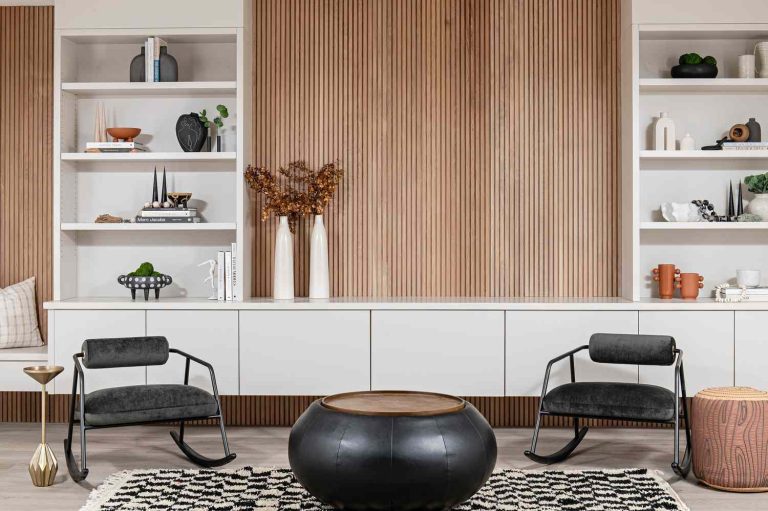
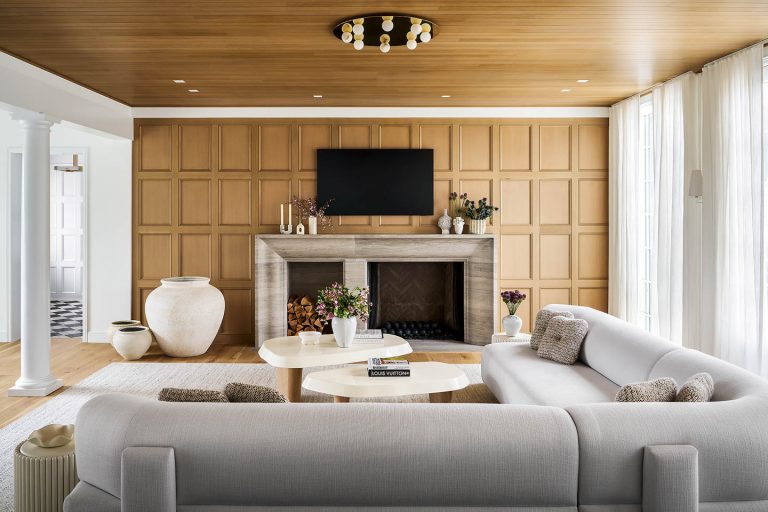
Decorative wood paneling is an architectural element consisting of wooden or wood-based sections applied to the interior vertical surfaces of a building. Historically utilized for thermal insulation and the protection of stone walls, modern applications focus primarily on acoustic management and aesthetic articulation. These systems range from traditional solid wood planks to advanced engineered composites, offering a diverse array of textures, grain patterns, and structural properties that can fundamentally alter the perceived volume and atmosphere of a room.
Understanding the technical attributes and installation requirements of decorative wood panels for walls is essential for successful interior planning. This guide provides a neutral, detailed overview of the various material categories, the mechanical importance of moisture-content management, and the practicalities of long-term surface preservation. Readers will gain insight into how these systems influence room acoustics, fire safety compliance, and spatial perception, providing a textbook-quality framework for evaluating quality and durability in contemporary interiors.

Overview of Decorative Wood Panels for Walls
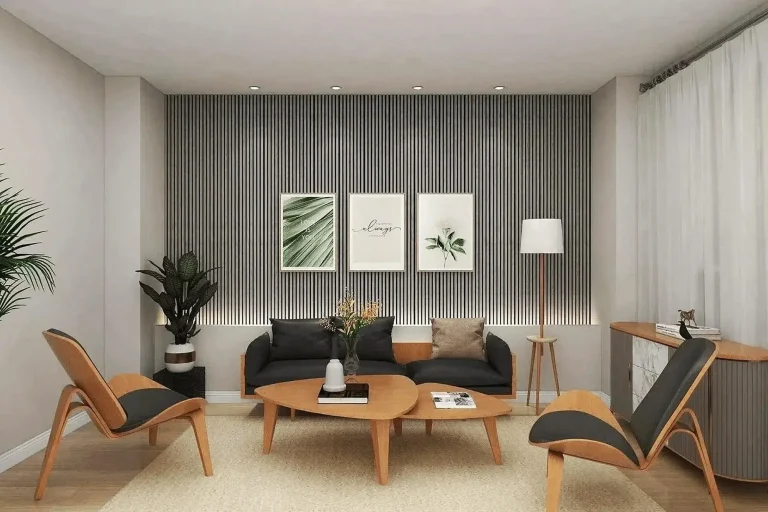
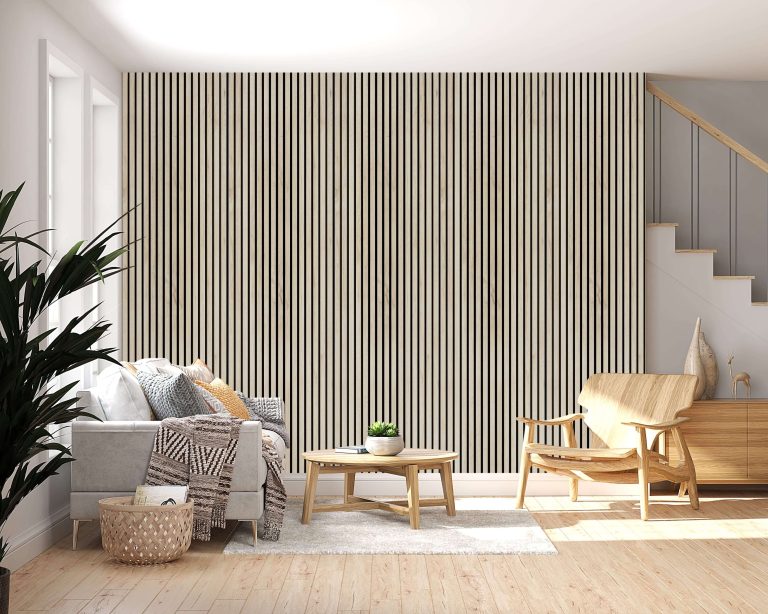
The core concept of decorative wood panels for walls involves the layering of wood elements over a substrate, such as drywall or masonry, to create a new finished surface. Unlike structural timber framing, decorative paneling is non-load-bearing. Modern systems are typically designed as modular units that can be adhered or mechanically fastened to the wall. The primary goals of installing such systems include enhancing the visual character of a space, improving sound absorption (particularly with slatted acoustic designs), and providing a durable surface that resists wear more effectively than standard paint.
People commonly approach wood paneling by selecting between “natural” products (solid wood or veneers) and “engineered” products (MDF or laminate). Typical expectations involve a high degree of dimensional stability—meaning the panels should not warp or gap significantly after installation. The outcome of a successful application is a permanent architectural feature that adds depth, warmth, and texture to the environment while adhering to modern building codes regarding flame spread and indoor air quality.
Key Categories and Material Variations
Wood paneling is categorized by its construction method, the species of wood used, and the intended visual or acoustic effect.
Category and Material Comparison Table
| Category / Type | Description | Common Use Case | Effort / Cost Level |
| Solid Wood Planks | Milled from single pieces of timber (e.g., Pine, Cedar). | Rustic interiors; moisture-prone areas (if Cedar). | Moderate |
| Wood Veneer | A thin layer of hardwood bonded to an MDF or plywood core. | Modern minimalist spaces; high-end cabinetry. | High |
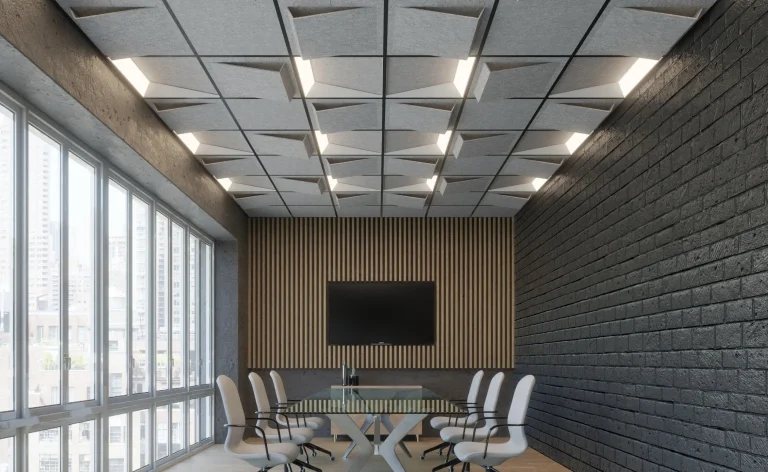
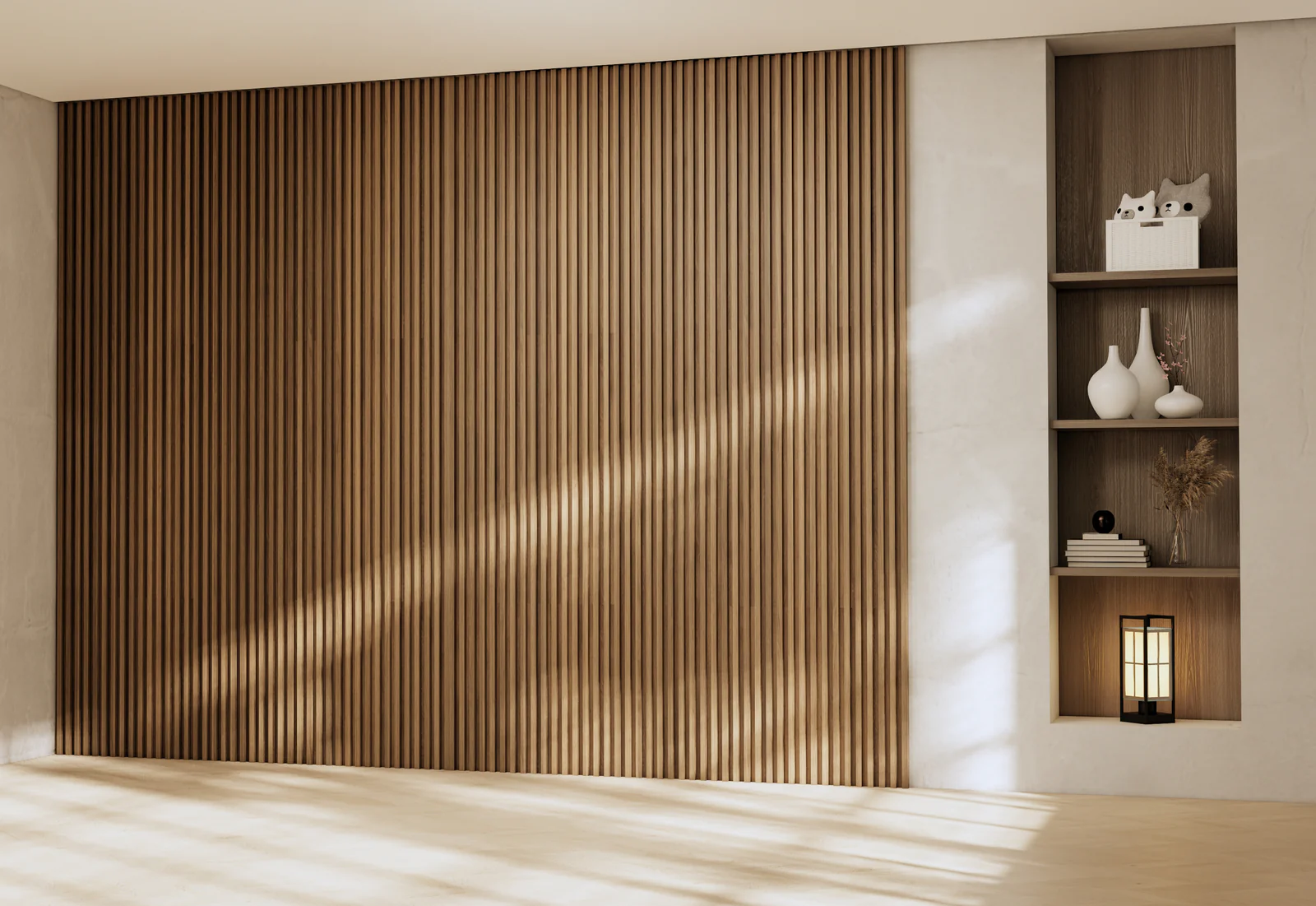
| Acoustic Slats | Vertical wood strips mounted on a felt or foam backing. | Home theaters; recording studios; noisy offices. | Moderate |
| Reclaimed Wood | Salvaged timber from old structures; high character and patina. | Feature walls in hospitality or residential settings. | High |
| Wainscoting | Lower-wall paneling, often with decorative moldings or frames. | Dining rooms; hallways; traditional architecture. | Moderate to High |
Choosing between these categories involves a trade-off between natural character and dimensional stability. Solid wood is prized for its authenticity but is susceptible to expansion and contraction. Conversely, veneer panels with an MDF core are less likely to move, making them ideal for large-scale, seamless installations in climate-controlled environments.
Practical Scenarios or Thematic Applications
Scenario 1: The Modern Acoustic Home Office
Focuses on the reduction of sound reverberation to improve audio quality for digital communication and concentration.
-
Components: Acoustic slat panels (wood on felt), black finish hardware, and hidden fasteners.
-
Steps: Measure the wall surface area; install furring strips if the wall is uneven; mount the panels vertically using a high-strength adhesive and trim head screws.
-
Relevance: This scenario utilizes the “noise reduction coefficient” (NRC) of the felt backing to create a professional-grade acoustic environment within a residence.
Scenario 2: The Traditional Dining Room Wainscot
Designed to provide a classic architectural foundation and protect the lower half of walls from furniture impact.
-
Components: Raised-panel inserts, chair rail molding, and a baseboard system.
-
Steps: Determine the height (typically 32–36 inches); install the baseboard first; center the panels across the wall length; cap with the chair rail.
-
Relevance: This application demonstrates the “protection and proportion” rule, where the wood serves as a durable barrier while defining the room’s formal scale.
Scenario 3: The Hospitality Feature Wall
Prioritizes visual impact and the tactile warmth of wood in a high-traffic lobby or restaurant.
-
Components: Large-format walnut veneer panels with matched grain (book-matching).
-
Steps: Acclimate the panels to the building’s humidity for 72 hours; use a Z-clip mounting system for a “floating” appearance; apply a fire-rated topcoat.
-
Relevance: This highlights the “sculptural” role of wood, where the natural grain becomes the primary art piece of the interior design.
Comparison: Scenario 1 focuses on functional performance (acoustics); Scenario 2 on architectural heritage; Scenario 3 on aesthetic luxury. Readers should select a system based on whether they need to solve a sound issue, protect a wall, or create a visual focal point.
Planning, Cost, and Resource Considerations
Preparation is critical because decorative wood panels for walls are susceptible to environmental conditions. Planning must account for the “acclimation period” where wood reaches equilibrium with the room’s humidity.
Sample Planning & Budget Table
| Category | Estimated Amount | Explanation | Optimization Tips |
| Materials (Panels) | $5 – $30 per sq. ft. | Cost varies by species (Oak vs. Pine) and core type. | Select “paint-grade” MDF for a lower-cost, smooth finish. |
| Labor (Professional) | $10 – $25 per sq. ft. | Includes scribing to walls, cutting, and finishing. | Opt for modular “peel-and-stick” for DIY savings. |
| Substrate Prep | $1 – $3 per sq. ft. | Furring strips, vapor barriers, or drywall repair. | Ensure walls are plumb before installation. |
| Finishing/Sealing | $2 – $5 per sq. ft. | Oils, waxes, or fire-retardant lacquers. | Purchase “pre-finished” panels to save site labor. |
Note: Figures are examples for educational purposes and vary based on regional labor rates and wood rarity.
Strategies, Tools, and Support Options

The successful implementation of wood paneling relies on several technical strategies to manage the natural movement of the material.
-
Z-Clip Mounting: A system of interlocking metal rails.
-
Advantages: Allows for a “seamless” look with no visible nails; permits panels to be removed for maintenance.
-
Disadvantages: Requires precise leveling and increases the panel’s distance from the wall.
-
-
Expansion Gaps: Intentional spaces (1/8 to 1/4 inch) left at the perimeter of the installation.
-
Advantages: Prevents the wood from buckling or cracking as it expands in humid seasons.
-
Disadvantages: Must be concealed with trim or molding.
-
-
Furring Strips: Secondary wooden strips attached to the wall substrate.
-
Advantages: Creates a level plane on uneven walls; provides an air gap to prevent moisture transfer.
-
Disadvantages: Reduces the total square footage of the room by a few inches.
-
-
Tongue and Groove Joinery: A mechanical interlocking system on the edges of planks.
-
Advantages: Ensures a tight, consistent fit; hides the fasteners within the “tongue.“
-
Disadvantages: Difficult to replace a single plank in the middle of a run.
-
Safety, Risks, and Common Challenges
-
Fire Safety Compliance: Wood is naturally combustible. Risk: Rapid flame spread in a fire event. Prevention: Ensure panels meet Class A or Class B fire ratings, or apply intumescent (fire-resistant) coatings.
-
Moisture and Mold: Trapping moisture between the wood and the wall. Issue: Can lead to rot and poor air quality. Prevention: Use a vapor barrier or furring strips in basement or exterior-facing walls.
-
Formaldehyde Off-gassing: Some engineered wood cores use urea-formaldehyde glues. Safety: Select “NAF” (No Added Formaldehyde) or “CARB Phase 2” compliant panels.
-
Improper Acclimation: Installing wood straight from a cold truck into a warm room. Issue: The panels will shrink or expand immediately, causing gapping or warping. Prevention: Store panels in the destination room for at least 72 hours prior to installation.
Maintenance, Best Practices, and Long-Term Management
The longevity of decorative wood panels for walls is determined by the transition from professional installation to consistent resident care.
-
Ongoing Best Practices Checklist:
-
Daily/Weekly: Dust with a soft microfiber cloth. Avoid abrasive cleaners that can scratch the finish.
-
Humidity Control: Maintain indoor relative humidity between 30% and 50% to minimize wood movement.
-
UV Protection: Use window treatments to prevent sunlight from “bleaching” or darkening certain wood species (like Cherry or Walnut).
-
Bi-Annually: Inspect for “checking” (small cracks). If found, the wood may be too dry and require a room humidifier.
-
Annually: For oil-finished panels, reapply a high-quality maintenance oil to keep the fibers hydrated and protected.
-
Documentation and Reporting
For high-value architectural projects, documenting the specific material data is essential for future repairs or insurance purposes.
Tips for Organizing Information:
-
Keep the “Batch Number” of the panels; wood grain varies by lot, and future additions may require a match.
-
Store the “Finish Specification” (e.g., “Matte Polyurethane” or “Hard-wax Oil”) to ensure future touch-ups use compatible chemicals.
Illustrative Examples:
-
Repair Management: A building manager records the specific Z-clip spacing for a lobby wall; when a panel is damaged by a luggage cart, they can order a replacement cut to the exact dimensions of the hidden rail.
-
Safety Reporting: A facility manager keeps the “Flame Spread Rating” certificate in the building’s permanent file to comply with annual fire marshal inspections.
FAQ
Q: Can I install wood panels over existing wallpaper? A: It is generally discouraged. Wallpaper can trap moisture behind the wood, and the adhesive may not bond correctly. It is best to remove the paper and prep the substrate.
Q: Is “Engineered Wood” as good as “Solid Wood”? A: In many cases, engineered wood (like veneer over MDF) is superior for wall applications because it is more dimensionally stable and less prone to warping than solid planks.
Q: How do I clean fingerprints off of matte wood panels? A: Use a very slightly damp cloth with a pH-neutral soap. Always wipe in the direction of the wood grain to avoid micro-scratches.
Closing Summary
Decorative wood panels for walls represent a fusion of architectural tradition and modern material science. By prioritizing proper acclimation, selecting the correct substrate preparation, and adhering to strict fire safety standards, users can ensure a high-performing and aesthetically enduring installation. Success with these systems relies on a strategic balance of material choice, environmental control, and a commitment to long-term maintenance that respects the biological properties of the wood.