Modern Table Light Guide: Design, Technology, and Implementation
The Comprehensive Guide to Modern Table Lights
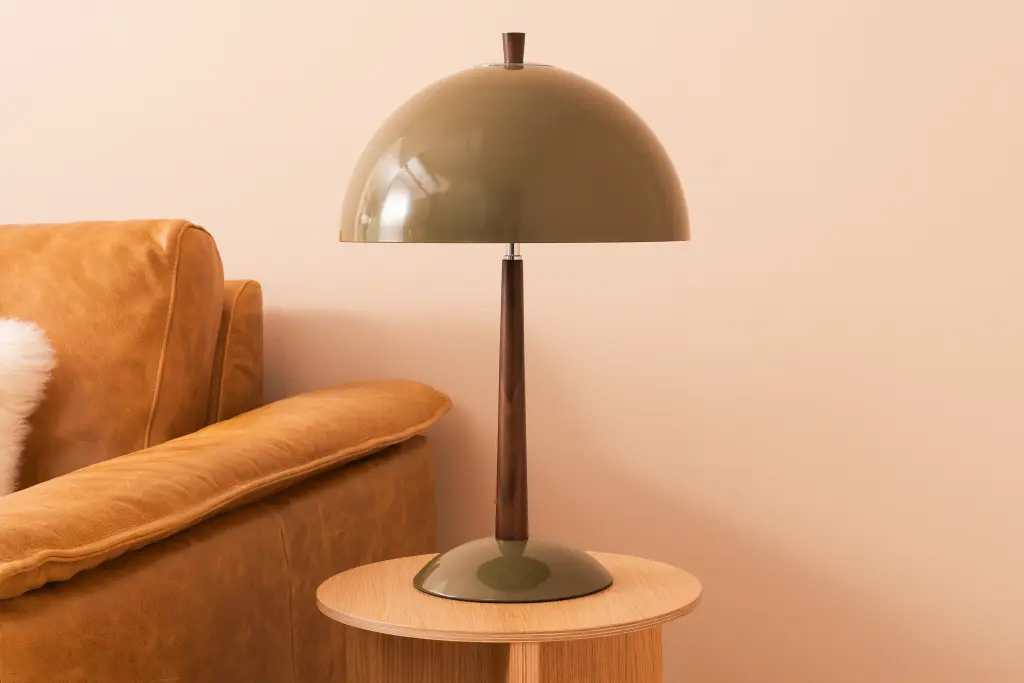
In the field of interior architecture and industrial design, a table lamp is no longer viewed merely as a decorative object but as a critical component of a layered lighting scheme. A modern table light is defined by its integration of advanced illumination technology, such as Light Emitting Diodes (LEDs), and a design philosophy that prioritizes geometric clarity and functional minimalism. These fixtures serve three primary purposes: providing task-specific light for work, adding ambient warmth to a room, and acting as a sculptural element within a domestic or professional environment.
Understanding the technical attributes and logistical requirements of contemporary lighting is essential for creating an ergonomically sound and visually balanced space. This guide provides a neutral, detailed overview of the various categories of modern lamps, the importance of Color Rendering Index (CRI) and color temperature, and the practicalities of long-term fixture management. Readers will learn how to evaluate light distribution, plan for budgetary needs, and implement safety protocols to ensure the longevity of their lighting systems.
Overview of Modern Table Light
The core concept of a modern table light centers on the transition from traditional incandescent bulbs to integrated electronic systems. Historically, a lamp was a housing for a replaceable bulb; today, many modern fixtures utilize “integrated LEDs,” where the light source is built directly into the lamp’s structure. This shift allows designers to create incredibly thin profiles and unique shapes that were previously impossible due to the size and heat of traditional bulbs. The goal is to provide flicker-free, dimmable, and energy-efficient light that can be tailored to the specific needs of the user.
People commonly approach these fixtures to solve specific spatial challenges, such as reducing eye strain during late-night work or adding a “layer” of light to a corner that overhead fixtures cannot reach. Typical expectations include high color accuracy, intuitive controls (such as touch dimming), and a material finish—ranging from brushed metals to hand-blown glass—that complements contemporary furniture. The outcome of a successful selection is a space that can shift in mood and function through the simple adjustment of a localized light source.
Key Categories and Technical Variations
Contemporary lighting is categorized by the intended direction of the light and the mechanical flexibility of the fixture.
Lighting Category Comparison Table
| Category / Type | Description | Common Use Case | Effort / Cost Level |
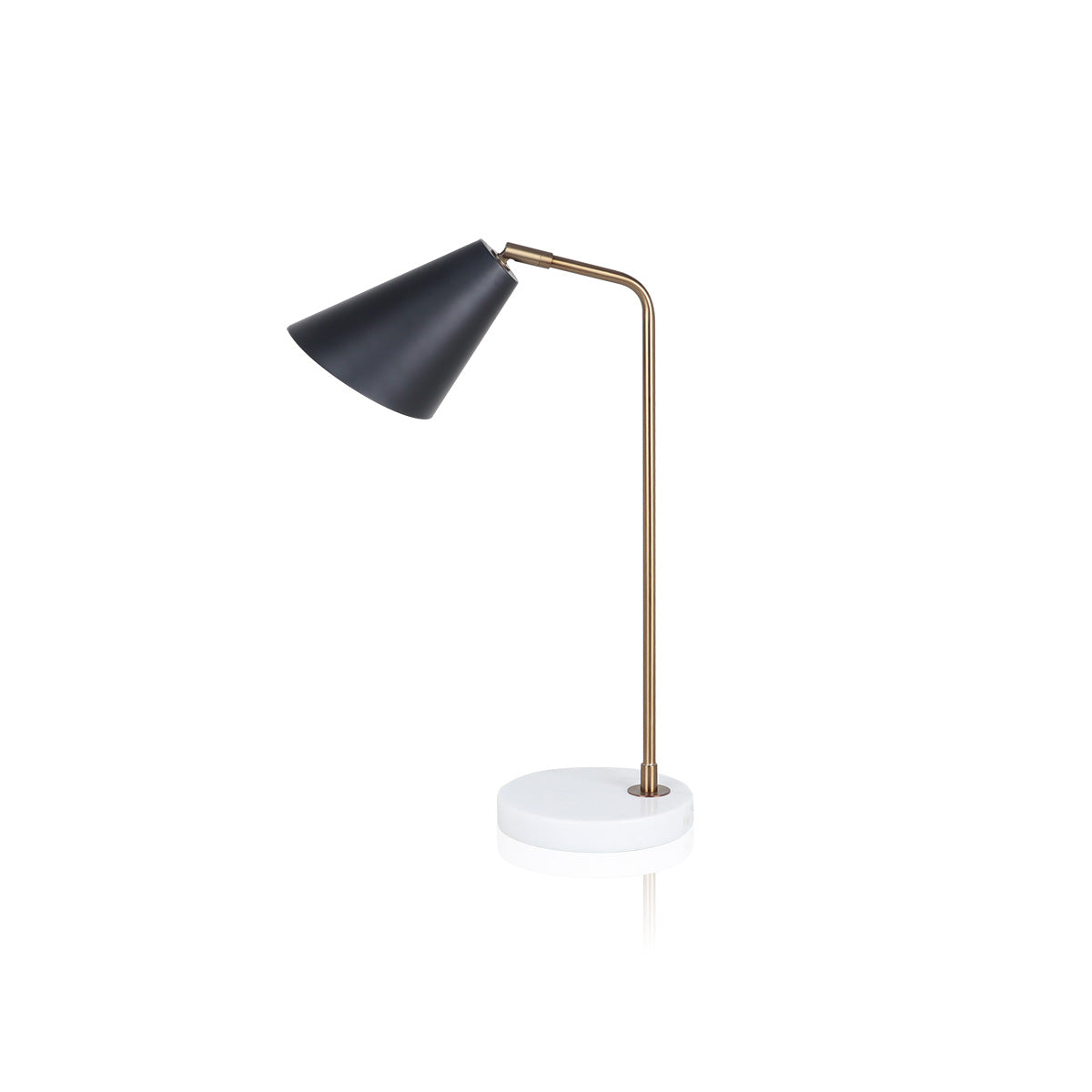
| Architectural Task | Features adjustable joints or “swing arms” for precision. | Home offices; drafting tables; reading nooks. | Moderate |
| Ambient / Accent | Uses translucent shades to diffuse light in all directions. | Bedside tables; living room sideboards. | Low to Moderate |
| Portable / Cordless | Battery-powered; rechargeable via USB-C or docking stations. | Shelving units; outdoor dining; areas without outlets. | Moderate |
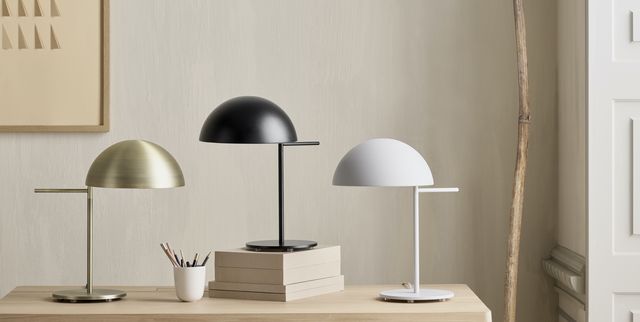
| Sculptural / Art | Design-heavy pieces where the lamp body is a focal point. | Entryway consoles; minimalist lounges. | High |
| Integrated Tech | Includes wireless charging pads or USB ports in the base. | Nightstands; communal workspaces. | Moderate |
Choosing between these categories requires an assessment of the “Lighting Layers” in a room. For example, if a room already has strong overhead ambient light, a task-oriented modern table light is usually the most logical addition. Conversely, in a room that feels “cold” or dim, an ambient lamp with a warm color temperature (2700K) can provide the necessary fill light to make the space feel more inviting.
Practical Scenarios or Thematic Applications
Scenario 1: The Focused Workspace
Focuses on the reduction of glare and the prevention of ocular fatigue during high-detail tasks.
-
Components: A swing-arm architectural lamp with a high CRI (90+) LED source.
-
Steps: Position the light on the opposite side of your dominant hand to reduce shadows; tilt the head to ensure the light source is not directly visible to the eyes; adjust the brightness to match the screen intensity.
-
Relevance: This scenario is critical for professional productivity, as poor light quality can lead to headaches and decreased focus over long durations.
Scenario 2: The Minimalist Bedside
Prioritizes ease of use and the biological requirement for “warm” light before sleep.
-
Components: A touch-sensitive lamp with dim-to-warm technology and a small footprint.
-
Steps: Place the lamp within easy reach of the mattress; utilize the lowest setting for nighttime navigation; select a color temperature of 2700K or lower to minimize blue light exposure.
-
Relevance: Modern lighting research suggests that warm, low-intensity light helps the body prepare for circadian rest, making the bedside lamp a tool for wellness.
Scenario 3: The Cordless Transitional Space
Utilizes battery technology to bring light to architectural areas that lack electrical infrastructure.
-
Components: A rechargeable, IP-rated (water-resistant) portable light.
-
Steps: Charge the unit fully via a central station; place it on a deep bookshelf or a patio table; return to the dock when the battery indicator reaches 10%.
-
Relevance: This demonstrates the freedom of modern design, where light is no longer tethered to a wall outlet, allowing for more flexible interior layouts.
Comparison: Scenario 1 focuses on utility and health; Scenario 2 on comfort and biological rhythm; Scenario 3 on mobility and spatial freedom. Readers should select a fixture based on whether the lamp is meant to stay in one place for work or move with the user.
Planning, Cost, and Resource Considerations
Preparation is critical because the quality of a modern table light is often hidden within its internal electronics rather than its exterior finish.
Sample Planning & Budget Table
| Category | Estimated Amount | Explanation | Optimization Tips |
| Entry-Level LED | $50 – $150 | Basic plastic or metal builds; standard dimming. | Look for “flicker-free” certifications. |
| Mid-Range Design | $200 – $500 | Better materials (brass, glass); high CRI (90+). | Check for replaceable LED modules for longevity. |
| Designer / Luxury | $600 – $2,000+ | Iconic brands; hand-crafted; advanced sensors. | Treat as a long-term investment piece. |
| Accessories | $20 – $60 | Smart plugs, replacement shades, or charging docks. | Use smart plugs to add “scheduling” to basic lamps. |
Note: Figures are illustrative examples and vary based on brand reputation and material rarity.
Strategies, Tools, and Support Options
Successfully implementing a modern lighting scheme requires understanding how to control and support the fixture.
-
-
Dimmers (Touch vs. Dial): Many modern lamps feature step-less dimming.
-
Advantages: Allows for perfect mood setting and energy savings.
-
Disadvantages: Some low-quality LEDs may “buzz” or flicker when dimmed.
-
-
Color Temperature (Kelvins): The measure of how “warm” or “cool” a light appears.
-
Advantages: 3000K (Warm White) is ideal for homes; 4000K (Cool White) is ideal for offices.
-
Disadvantages: Mismatching temperatures in one room can create a disjointed visual environment.
-
-
Smart Integration: Connecting lamps to a home automation system.
-
Advantages: Allows for voice control and automated “circadian” dimming throughout the day.
-
Disadvantages: Requires a stable Wi-Fi/Zigbee network and initial setup time.
-
-
CRI (Color Rendering Index): A scale from 0–100 measuring how accurately a light reveals colors.
-
Advantages: High CRI (95+) is essential for art studios or dressing rooms.
-
Disadvantages: Higher CRI chips often come at a premium cost.
-
-
Safety, Risks, and Common Challenges
-
Heat Dissipation: Although LEDs are efficient, they still produce heat. Issue: If the lamp’s “heat sink” is poorly designed, the LED lifespan will drop significantly. Prevention: Choose lamps with metal housings or visible venting.
-
Blue Light Exposure: High-intensity “cool” light can disrupt sleep. Prevention: Use “warm” bulbs or dimmers in the evening hours.
-
Cord Hazards: Long cords in high-traffic areas are a trip risk. Prevention: Use cord clips or choose portable/cordless models for central tables.
-
Integrated Failure: If an integrated LED fails, the entire lamp may need to be replaced. Prevention: Purchase from reputable manufacturers that offer multi-year warranties on the LED driver.
Maintenance, Best Practices, and Long-Term Management

The longevity of a table light depends on the care of both its physical structure and its electronic components.
-
Ongoing Maintenance Checklist:
-
Weekly: Dust the fixture with a soft microfiber cloth. Avoid liquid cleaners on metal finishes unless specified.
-
Monthly: Inspect the power cord for any signs of fraying or heat damage near the plug.
-
Bi-Annually: For portable lamps, perform a full “cycle” of the battery (drain and recharge) to maintain lithium-ion health.
-
Annually: For fixtures with fabric shades, use a lint roller or vacuum attachment to remove deep-seated dust that can dim the light output.
-
Regular review of the “driver” (the electronic component that powers the LED) is also important; if the light begins to flicker, it is usually a sign that the driver is nearing the end of its life and needs professional attention.
Documentation and Reporting
For luxury fixtures or office environments, maintaining documentation is vital for warranty claims and inventory management.
Tips for Organizing Information:
-
Keep a digital record of the Kelvin rating and Lumens for each lamp. This ensures that if you buy a second lamp for the same room, the light quality will match.
-
Save the manual for integrated lamps to identify the specific “Driver” part number for future repairs.
Illustrative Examples:
-
Inventory Management: A design firm records the “Total Lumen Output” of every modern table light in their studio to ensure the average brightness meets OSHA standards.
-
Residential Care: A homeowner keeps a “Lighting Log” that notes which lamps are 2700K (Warm) and which are 4000K (Cool) to avoid mixing bulbs during future replacements.
FAQ
Q: Can I replace the bulb in an integrated LED modern table light? A: Usually, no. Integrated fixtures are designed so that the LED is part of the structure. However, these are typically rated for 25,000 to 50,000 hours of use (approximately 15–20 years of normal use).
Q: What is the difference between Lumens and Watts? A: Watts measure energy consumption, while Lumens measure brightness. In modern lighting, look at Lumens. A 450-lumen lamp is roughly equivalent to a 40W traditional bulb.
Q: Why does my modern lamp have a heavy base? A: Stability is a safety requirement. A heavy base prevents tipping, especially in “architectural” lamps where the arm might be extended far to one side.
Closing Summary
A modern table light is a sophisticated fusion of industrial design and advanced semiconductor technology. By prioritizing factors such as CRI, color temperature, and battery management, users can move beyond simple illumination toward a tailored lighting environment that supports both productivity and biological health. Success with these fixtures relies on understanding the “lighting layers” of a space, adhering to strict maintenance protocols for electronic drivers, and selecting high-quality components that ensure the light remains flicker-free and consistent for its entire multi-decade lifespan.