Contemporary Cocktail Table Guide: Design, Materials, and Planning
The Comprehensive Guide to the Contemporary Cocktail Table
In the field of interior architecture and domestic design, the cocktail table—often used interchangeably with the term “coffee table”—serves as the functional and aesthetic epicenter of the seating area. Unlike traditional furniture, which often prioritized ornate carvings and heavy proportions, the contemporary movement emphasizes geometric clarity, “honesty in materials,” and a departure from superfluous decoration. These tables are engineered to facilitate social interaction, provide a surface for essential items, and anchor the visual flow of a room through a balance of mass and transparency.
Understanding the technical attributes and logistical requirements of a contemporary cocktail table is essential for creating a cohesive living environment. This guide provides a neutral, detailed overview of the various material categories, the mechanical importance of scale and clearance, and the practicalities of long-term surface management. Readers will gain insight into how these designs influence room navigation, ergonomic accessibility, and spatial perception, providing a textbook-quality framework for evaluating quality and durability in modern furniture.
Overview of Contemporary Cocktail Table
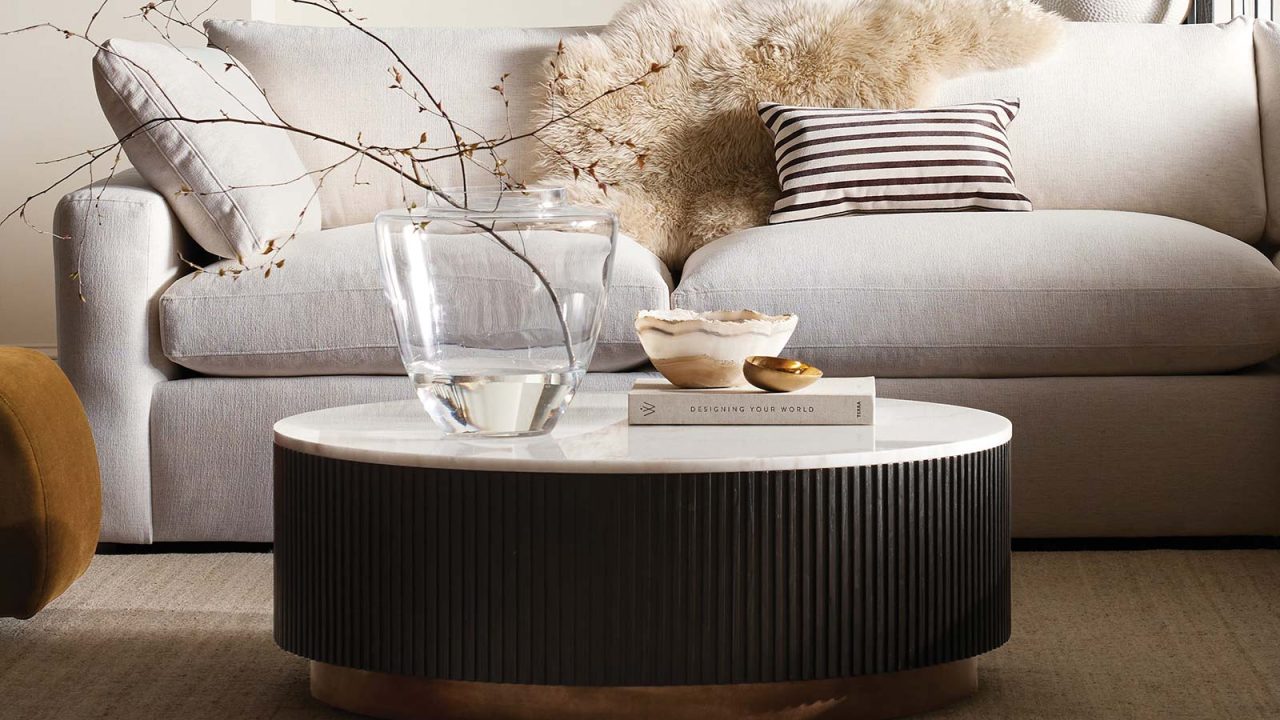
The core concept of a contemporary cocktail table is the optimization of the “low-profile” surface. Historically, these tables are designed to sit at or slightly below the seat height of the surrounding sofas, typically ranging from 16 to 18 inches. Contemporary design has expanded this concept to include varying heights and “nesting” configurations that allow for modular flexibility. The goal is to provide a central plane that is accessible from all seated positions without obstructing sightlines or the “foot traffic” paths within the room.
People commonly approach these tables with the goal of balancing visual weight with functional utility. Typical expectations include high structural stability—essential because the table is a high-touch surface subjected to weight and moisture—and a design that complements modern architectural features like floor-to-ceiling windows or open-concept floor plans. The outcome of a successful selection is an environment where the table serves as a functional anchor, supporting both daily activities and formal social engagements.
Key Categories and Material Variations
Contemporary furniture is categorized by its material composition and the mechanical way it interacts with light and space.
Category and Material Comparison Table
| Category / Type | Description | Common Use Case | Effort / Cost Level |
| Glass / Acrylic | Utilizes tempered glass or clear polymers for total transparency. | Small apartments; rooms with complex area rugs. | Moderate |
| Hardwood Veneer | Natural wood grains (walnut, oak) over a stable composite core. | Warm, organic themes; mid-century modern spaces. | Moderate to High |
| Metal / Industrial | Steel, aluminum, or brass frames with geometric profiles. | Urban lofts; high-durability requirements. | Low to Moderate |
| Stone / Mineral | Slabs of marble, granite, or concrete on minimal bases. | Formal lounges; high-end luxury focal points. | High |
| Modular / Nesting | Multiple smaller tables of varying heights that tuck together. | Flexible seating areas; multi-use rooms. | Moderate |
Choosing between these categories requires an assessment of both the room’s square footage and the “visual noise” of the existing decor. For instance, glass tables are highly effective in small spaces because they allow the eye to travel through the object to the floor, creating the illusion of more space. Conversely, stone or heavy wood tables provide a sense of permanence and grounding in large, open-plan environments.
Practical Scenarios or Thematic Applications
Scenario 1: The Minimalist Urban Living Room
In environments where square footage is limited, the table must provide utility without creating a physical or visual “roadblock.”
-
Components: A circular tempered glass top with a thin-profile steel tripod base.
-
Steps: Position the table exactly 18 inches from the sofa edge; ensure a 30-inch clearance path around the remaining perimeter; select a size that is approximately two-thirds the length of the sofa.
-
Relevance: This scenario utilizes transparency and rounded edges to prevent “shin-strike” injuries and keep the room feeling expansive.
Scenario 2: The Multi-Functional Family Great Room
Prioritizes durability, storage, and the ability to withstand heavy mechanical use by children or pets.
-
Components: A large rectangular wood veneer table with integrated drawers and a “leathered” stone top.
-
Steps: Select a height that matches the sofa cushions exactly; utilize soft-close drawer glides; apply a high-performance sealant to the stone.
-
Relevance: This application focuses on high-capacity storage and material resilience, allowing the table to function as a work surface and a play area simultaneously.
Scenario 3: The Formal Entertainment Suite
Designed for visual impact and the display of sculptural objects or literature.
-
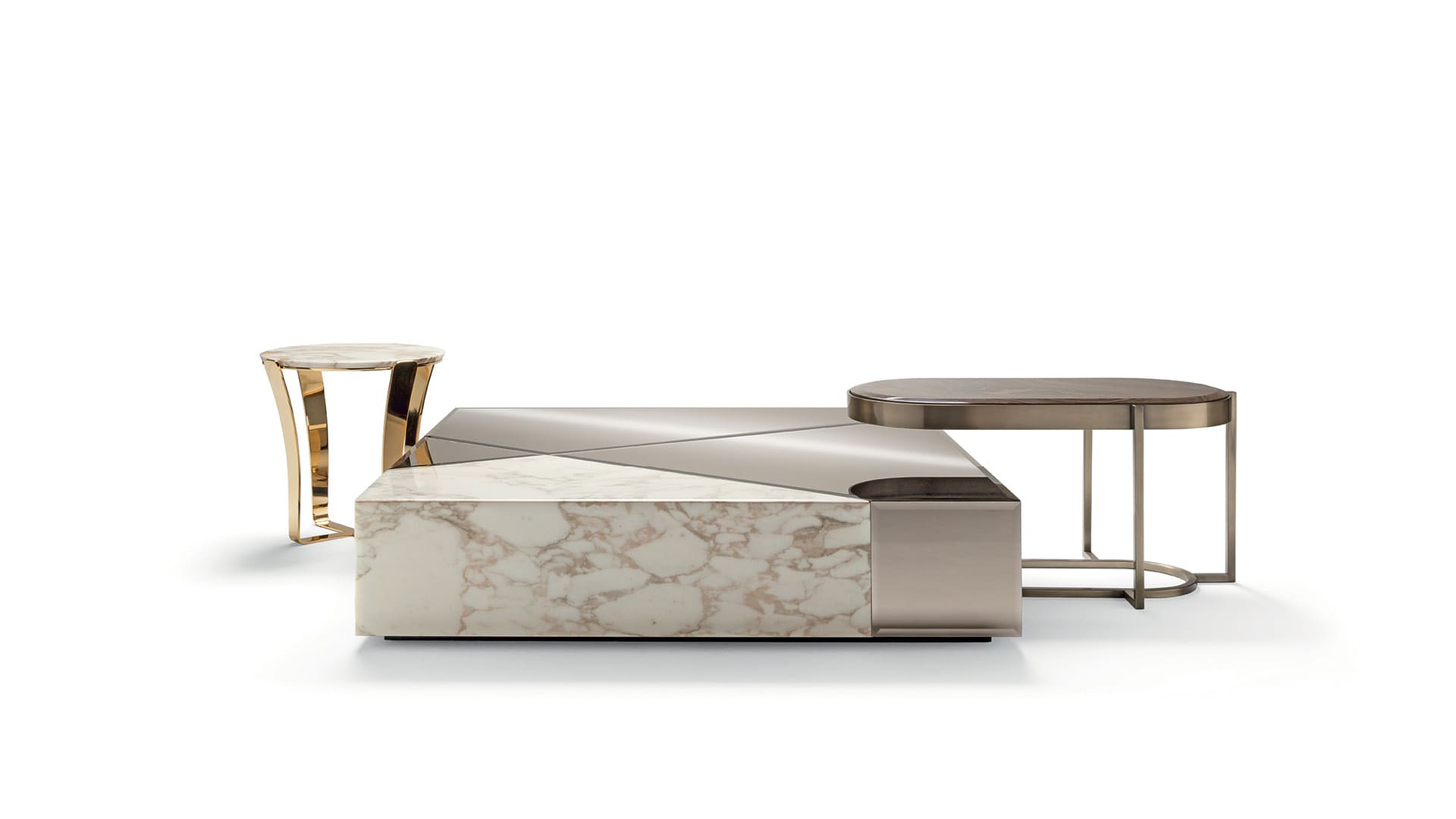
Components: A set of nesting marble-topped tables with brass-finished legs.
-
Steps: Arrange the tables in a staggered “stepped” formation; use the varying heights to create visual depth; ensure the stone veins are aligned in the same direction.
-
Relevance: This scenario highlights the sculptural role of a contemporary cocktail table, where the object itself is as much an art piece as it is a functional surface.
Comparison: Scenario 1 focuses on spatial efficiency; Scenario 2 on durability and storage; Scenario 3 on aesthetic layering. Readers should select their configuration based on whether the table will be a high-traffic workhorse or a curated centerpiece.
Planning, Cost, and Resource Considerations
Preparation is critical because a cocktail table determines the navigation of a room. Planning must account for the relationship between the table height and the sofa’s seat height to ensure ergonomic comfort.
Sample Planning & Budget Table
| Category | Estimated Amount | Explanation | Optimization Tips |
| Material Cost | $300 – $2,500 | Glass and metal are often less expensive than solid stone. | Select high-quality veneers over solid wood for a similar look. |
| Delivery / Setup | $50 – $200 | Surcharges for heavy stone or fragile glass. | Measure all doorway clearances before ordering. |
| Support Prep | $20 – $50 | Felt glides or rubber bumpers for floor protection. | Use “non-slip” bumpers for glass-on-metal designs. |
| Finishing Kits | $30 – $100 | Stone sealers, wood oils, or acrylic polishes. | Purchase pH-neutral stone cleaner immediately. |
Note: Figures are examples and may vary based on regional labor rates, brand recognition, and material rarity.
Strategies, Tools, or Support Options
The successful implementation of a contemporary cocktail table relies on several strategies to ensure safety, stability, and visual harmony.
-
Tempered Safety Glass: A heat-treatment process that ensures glass breaks into small granules rather than sharp shards.
-
Advantages: Essential for safety in homes with high activity or children.
-
Disadvantages: Cannot be cut or modified once the tempering process is complete.
-
-
Impregnating Stone Sealers: Chemical barriers that sink below the surface of marble or granite.
-
Advantages: Protects against stains without changing the color or texture of the stone.
-
Disadvantages: Requires periodic reapplication every 12 to 24 months.
-
-
Adjustable Glides: Small screw-in feet at the bottom of the table legs.
-
Advantages: Allows the table to be leveled on uneven floors or rugs to prevent wobbling.
-
Disadvantages: Can be visible on some ultra-minimalist designs.
-
-
Buffer Pads: Small clear silicone discs placed between a base and a loose top.
-
Advantages: Prevents “walking” or sliding of a glass top; dampens sound.
-
Disadvantages: Can collect dust and may require replacement as the adhesive ages.
-
Safety, Risks, or Common Challenges
-
Tipping Hazards: Tables with a narrow base-to-top ratio can tip if a person leans on the edge. Prevention: Ensure the base footprint is at least 60% of the top’s total width.
-
Thermal Shock: Placing a boiling cup of tea directly on a cold glass or stone surface can cause it to crack or shatter. Prevention: Always use coasters or trivets.
-
Chemical Etching: Acidic liquids like wine, coffee, or lemon juice can permanently dull the surface of natural marble. Prevention: Use pH-neutral cleaners and blot spills immediately rather than wiping.
-
Visual Obstruction: A table that is too high relative to the sofa can make it difficult to talk to someone across the room or view a low-set television. Prevention: Keep the table height within 1–2 inches of the seat cushions.
Maintenance, Best Practices, and Long-Term Management

The longevity of the furniture is determined by the transition from professional installation to consistent resident care.
-
Ongoing Best Practices Checklist:
-
Daily: Wipe surfaces with a microfiber cloth to remove dust and finger oils.
-
Weekly: Use a material-specific cleaner (e.g., ammonia-free glass cleaner or pH-neutral stone soap).
-
Bi-Annually: Check the tension of any mechanical fasteners (bolts or screws) in the legs, as they can loosen over time with movement.
-
Annually: Reapply stone sealer or wood oil as needed to maintain the protective barrier.
-
Regular review of the fasteners is necessary because contemporary designs often rely on thin, high-tensile legs that carry significant stress at the joint.
Documentation and Reporting
For high-value furniture, documenting the care and specifications is essential for insurance, warranties, or resale purposes.
Tips for Organizing Information:
-
Keep the original “Material Data Sheet” provided by the manufacturer.
-
Store the receipt and warranty card in a dedicated digital file.
-
Take high-resolution photographs of the table upon arrival to document the natural grain or stone pattern.
Illustrative Examples:
-
Insurance Management: A homeowner records the “Batch Number” of their marble table; if the stone cracks due to a manufacturer defect, they have the data for a warranty claim.
-
Repair Readiness: A facility manager for a modern hotel keeps a log of “Hardware Tightening” dates to prevent table instability in high-traffic lobbies.
FAQ
Q: What is the ideal distance between the sofa and the cocktail table?
A: The industry standard is approximately 18 inches. This is close enough to reach a drink comfortably but far enough to allow for ample legroom and circulation.
Q: Should my table be higher or lower than my sofa?
A: Ideally, it should be 1 to 2 inches lower than the seat cushions. A table that is too high creates an ergonomic “wall,” while one that is too low is difficult to reach from a seated position.
Q: Can I use standard glass cleaner on my marble cocktail table?
A: No. Most standard glass cleaners are acidic or contain ammonia, which will “etch” natural stone, leaving a permanent dull spot. Use only pH-neutral cleaners designed for stone.
Closing Summary
A contemporary cocktail table is a foundational element of modern residential design, balancing aesthetic streamlined geometry with mechanical durability. By prioritizing material-specific care, adhering to ergonomic clearance standards, and implementing a disciplined maintenance schedule for mechanical fasteners, users can ensure a functional and stable social centerpiece. Success with these systems relies on early spatial planning, an awareness of material vulnerabilities (such as stone etching or glass thermal shock), and a commitment to protecting the structural integrity of the piece over its lifespan.