Comprehensive Guide to Acoustic Tile Ceiling: Design, Acoustics, and Maintenance
The Comprehensive Guide to Acoustic Tile Ceilings
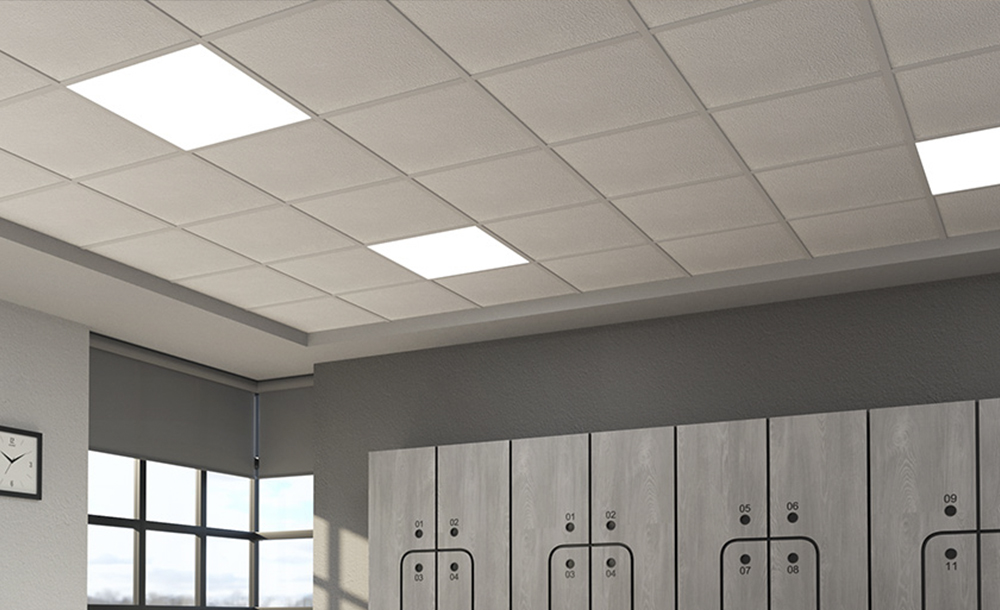
Acoustic tile ceilings are specialized architectural systems designed to manage sound behavior within an interior environment. These systems typically consist of a suspended metal grid—known as a T-bar system—supporting modular tiles made from various sound-absorbent materials. While the primary function of these ceilings is to reduce noise levels by absorbing sound energy, they also serve critical roles in concealing mechanical, electrical, and plumbing (MEP) infrastructure, improving light reflectance, and contributing to the thermal insulation of a building.
Understanding the technical attributes and logistical requirements of an acoustic tile ceiling is essential for successful spatial planning. This guide provides a neutral, detailed overview of the different material categories, the scientific metrics used to measure acoustic performance, and the practicalities of long-term maintenance. Readers will gain insight into how these systems influence room acoustics, fire safety compliance, and environmental health, providing a textbook-quality framework for evaluating ceiling solutions in contemporary architecture.
Overview of Acoustic Tile Ceiling
The core concept of an acoustic tile ceiling centers on the conversion of sound energy into heat through friction. When sound waves strike a hard, non-porous surface like concrete or gypsum, they reflect back into the room, creating an echo. Acoustic tiles utilize porous materials—such as mineral fiber, fiberglass, or wood wool—to “trap” these waves. As air molecules vibrate within the tiny pores of the tile, the friction generates a negligible amount of heat, effectively removing the energy from the room’s auditory field.
People commonly approach acoustic treatment with the goal of improving speech intelligibility or creating a more private environment. Typical expectations involve a reduction in reverberation time (the time it takes for a sound to “die out”). Performance is measured using two primary metrics: the Noise Reduction Coefficient (NRC), which measures sound absorption on a scale from 0.0 to 1.0, and the Ceiling Attenuation Class (CAC), which measures the ceiling’s ability to block sound from traveling between adjacent rooms through the shared plenum space above the grid.
Key Categories and Material Variations
Ceiling tiles are categorized by their mineral or synthetic composition and their specific target performance metrics.
Category and Material Comparison Table
| Category / Type | Description | Common Use Case | Effort / Cost Level |
| Mineral Fiber | A blend of rock wool, perlite, and starch; high density. | Schools; general office spaces; retail. | Moderate / Moderate |
| Fiberglass | Lightweight glass fibers with a fabric or vinyl face. | High-humidity areas; areas needing high NRC. | Low / Moderate |
| Wood Wool | Shredded wood fibers bonded with cement; high durability. | Gymnasiums; industrial-style offices. | High / High |
| Metal (Perforated) | Aluminum or steel panels with holes and acoustic backing. | Transportation hubs; high-end lobbies. | High / Very High |
| PET Polyester | Compressed recycled plastic fibers; sustainable. | Modern creative offices; design-led spaces. | Moderate / Moderate |
Choosing between these categories involves a trade-off between NRC and CAC. For instance, fiberglass tiles offer excellent absorption (high NRC) but are very poor at blocking sound (low CAC) because they are lightweight. Mineral fiber tiles are generally considered the “all-purpose” choice because they provide a balanced profile of both absorption and attenuation.
Practical Scenarios or Thematic Applications
Scenario 1: The Modern Open-Concept Office
In large offices with many workstations, the goal is to reduce “background chatter” so employees can focus.
-
Components: High-NRC (0.85+) mineral fiber tiles and a 15/16-inch heavy-duty grid.
-
Steps: Map the lighting and HVAC diffusers; install the wall molding at a consistent height; hang the main runners using 12-gauge wire; drop in tiles once MEP work is complete.
-
Relevance: This scenario utilizes the ceiling to lower the “noise floor” of the room, preventing the Lombard effect (where people speak louder to be heard over background noise).
Scenario 2: The Healthcare Facility / Patient Room
Prioritizes hygiene, washability, and the prevention of sound travel between private rooms.
-
Components: Antimicrobial-coated tiles with high CAC (35+) ratings.
-
Steps: Seal the perimeter with acoustic caulk; use “hold-down clips” for tiles to allow for frequent cleaning; integrate specialized medical-grade lighting.
-
Relevance: High CAC is critical here to ensure patient privacy, preventing conversations in one room from being overheard in the next through the ceiling plenum.
Scenario 3: The Educational Gymnasium
Requires a durable system that can withstand physical impact while managing extreme reverberation.
-
Components: Impact-resistant wood wool or reinforced mineral fiber tiles.
-
Steps: Use a “bolted” or reinforced grid system; install safety wires on every fixture; place panels at the highest point of the ceiling to intercept vertical reflections.
-
Relevance: Large, hard-surfaced rooms like gyms often have reverberation times exceeding 3 seconds; an acoustic tile ceiling can bring this down to a safer 1.5 seconds.
Comparison: Scenario 1 focuses on absorption; Scenario 2 on privacy and hygiene; Scenario 3 on durability and safety. Readers should select a tile based on whether the primary threat to the environment is noise (Scenario 1), privacy breaches (Scenario 2), or physical damage (Scenario 3).
Planning, Cost, and Resource Considerations

Preparation is critical because acoustic ceilings are “suspended” systems that rely on the structural integrity of the floor or roof above.
Sample Planning & Budget Table
| Category | Estimated Amount | Explanation | Optimization Tips |
| Materials (Tiles) | $1.50 – $8.00 per sq. ft. | Cost varies by NRC rating and edge detail (square vs. tegular). | Use square-edge tiles for the lowest material cost. |
| Grid System | $1.00 – $3.00 per sq. ft. | Main runners, cross tees, and wall molding. | Standard 15/16″ white grid is the most economical. |
| Labor (Professional) | $3.00 – $7.00 per sq. ft. | Includes layout, wire hanging, and tile placement. | Schedule after all plumbing/electrical “rough-in” is done. |
| Acoustic Sealant | $0.20 – $0.50 per sq. ft. | Used at the perimeter to block sound leaks. | Essential only if high CAC is the primary goal. |
Note: Figures are examples and vary based on regional labor rates and material rarity.
Strategies, Tools, and Support Options
Successfully implementing an acoustic ceiling relies on several technical strategies to ensure the system is level and secure.
-
Laser Leveling: Using a rotary laser to project a 360-degree line around the room.
-
Advantages: Ensures the wall molding is perfectly horizontal.
-
Disadvantages: Requires specialized equipment.
-
-
Tegular Edges: Tiles that “drop” slightly below the grid.
-
Advantages: Creates a shadow line that hides minor grid imperfections.
-
Disadvantages: More difficult to cut at the perimeter; higher tile cost.
-
-
Hanger Wire Spacing: Typically every 4 feet along the main runner.
-
Advantages: Distributes the load of the ceiling and lighting fixtures safely.
-
Disadvantages: Requires drilling into the structural slab above.
-
-
Acoustic Clouds: Groups of tiles suspended as “islands” rather than wall-to-wall.
-
Advantages: Allows for decorative designs and access to original high ceilings.
-
Disadvantages: Less effective at sound attenuation between rooms.
-
Safety, Risks, and Common Challenges
-
Seismic Movement: In earthquake-prone zones, ceilings can sway and drop tiles. Prevention: Use seismic compression struts and oversized wall moldings.
-
Plenum Moisture: High humidity can cause mineral fiber tiles to “sag” or develop mold. Prevention: Ensure the HVAC system is operational before installation and use “RH95” rated tiles.
-
Fire Code Violations: Using the plenum for storage or blocking sprinkler heads. Risk: Rapid fire spread. Prevention: Maintain a clear 18-inch clearance between any storage and the sprinkler heads.
-
Grid Overloading: Hanging heavy signage or decor from the T-bar. Risk: Structural collapse. Prevention: Always attach heavy loads directly to the structure above using independent wires.
Maintenance, Best Practices, and Long-Term Management
The longevity of an acoustic tile ceiling is determined by the care of the individual tiles and the stability of the grid.
-
Ongoing Maintenance Checklist:
-
Monthly: Inspect for “water spots.” If a tile is stained, it indicates a roof or pipe leak that must be fixed immediately.
-
Quarterly: Dust the tiles using a soft brush vacuum attachment. Avoid high-pressure air, which can push dust deeper into the pores.
-
Bi-Annually: Check perimeter caulking for cracks, which can reduce the acoustic performance of the room.
-
Long-Term: When replacing tiles, always keep a “box of extras” from the same manufacturing lot to ensure color and texture matching.
-
Documentation and Reporting
For professional environments, documenting the ceiling’s technical data is a standard requirement for building audits and future renovations.
Tips for Organizing Information:
-
Keep the “Spec Sheets” from the manufacturer, specifically noting the NRC, CAC, and Fire Rating (Class A).
-
Record the “Grid Pattern” (e.g., 2’x2′ vs 2’x4′) to simplify future tile orders.
Illustrative Examples:
-
Insurance Compliance: A facility manager keeps the “Flame Spread Certificate” on file; if a fire occurs, they can prove the ceiling met Class A requirements.
-
Acoustic Performance: A school records the NRC of the tiles in each classroom to verify they meet national standards for learning environment acoustics.
FAQ
Q: Can I paint my acoustic ceiling tiles?
A: Generally, no. Standard paint clogs the pores of the tile, which can reduce the NRC by 50% or more. Specialized “acoustic coatings” exist, but they must be applied professionally.
Q: How do I know if my tiles contain asbestos?
A: Tiles manufactured before the mid-1980s may contain asbestos. If you suspect old tiles, do not disturb them; hire a certified professional for testing and abatement.
Q: Why are my tiles turning yellow?
A: This is usually caused by UV exposure or “tobacco smoke” staining. If the staining is widespread and the tiles are old, it is often more cost-effective to replace the tiles than to clean them.
Closing Summary
An acoustic tile ceiling represents a critical intersection of architectural aesthetics and acoustic science. By prioritizing high-NRC materials, adhering to strict suspension protocols, and implementing a disciplined maintenance schedule, users can significantly enhance the auditory comfort and functional utility of any interior space. Success with these systems relies on a balance of absorption and attenuation, a commitment to structural safety, and a regular review of environmental factors like humidity and MEP integrity.