Taj Mahal Countertops: A Geological and Practical Educational Guide
The Comprehensive Guide to Taj Mahal Countertops
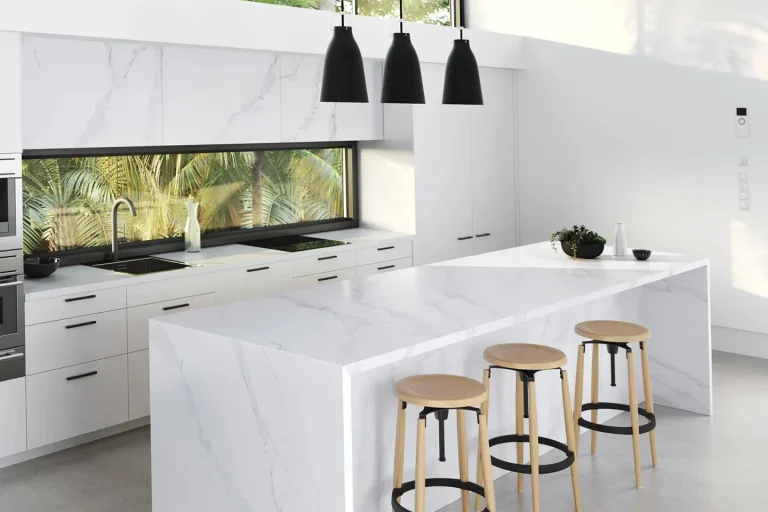
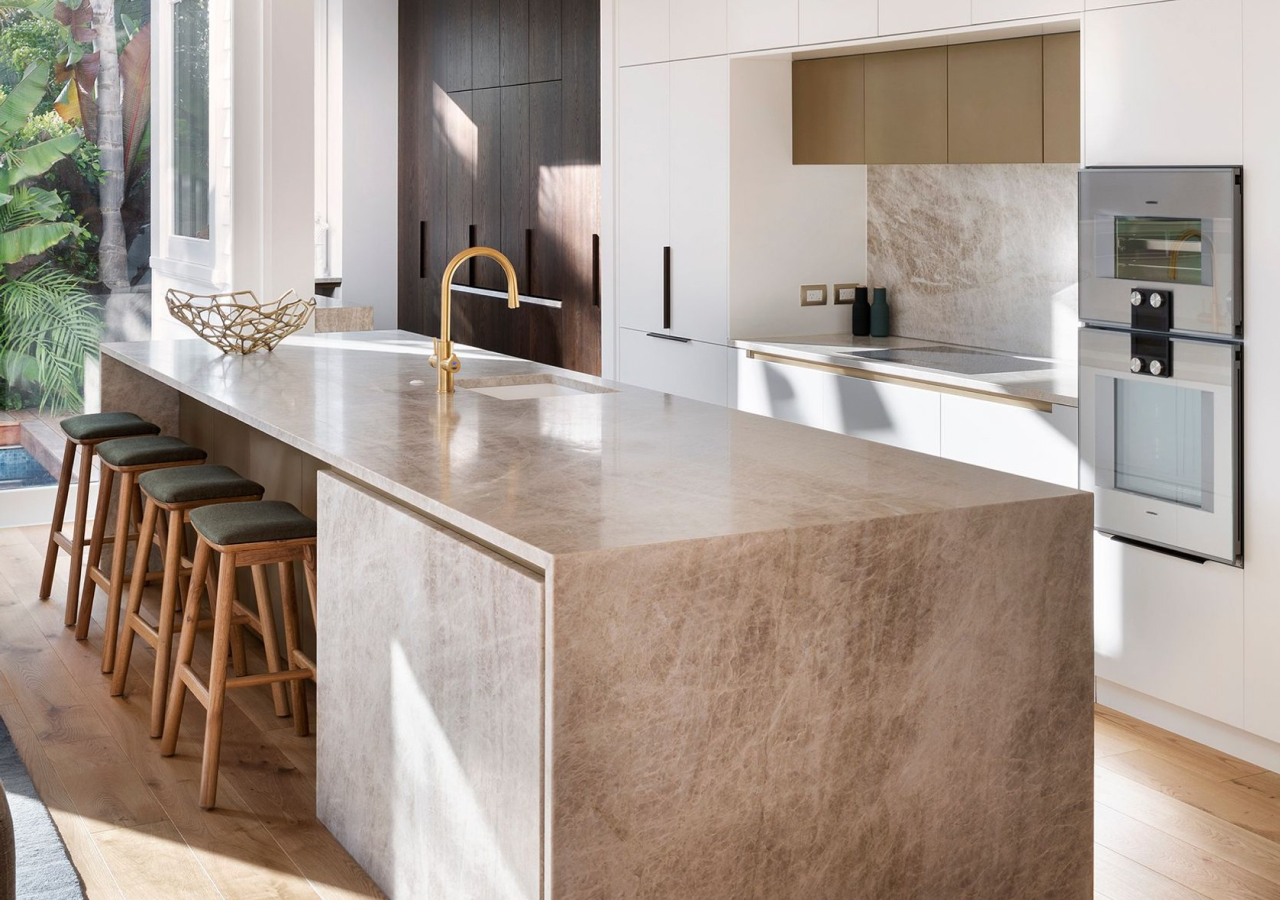
Taj Mahal is a specific variety of quartzite, a metamorphic rock that originates as pure quartz sandstone. Through a process involving intense heat and pressure related to tectonic compression, the individual quartz grains recrystallize into a dense, interlocking mosaic. Named for its visual resemblance to the white marble of the iconic Indian mausoleum, this stone has become a primary material in high-end architectural design. Unlike marble, which is carbonate-based, Taj Mahal is silicate-based, granting it significantly higher resistance to chemical weathering and mechanical abrasion.
Understanding the technical attributes and logistical requirements of this material is essential for successful interior planning. This guide provides a neutral, detailed overview of the geological properties of quartzite, the various aesthetic categories available in the market, and the practicalities of long-term surface management. Readers will learn how to differentiate between authentic quartzite and similar-looking stones, plan for the significant budgetary and structural needs of an installation, and implement best practices to preserve the material’s integrity over several decades.

Overview of Taj Mahal Countertops
The core concept of taj mahal countertops involves the utilization of hard-rock quartzite as a functional work surface. Geologically, quartzite is one of the most durable materials available for residential use, often ranking 7 or higher on the Mohs scale of mineral hardness. People commonly approach this material when seeking the soft, luminous appearance of marble but requiring the structural performance associated with granite. The primary goal is typically to create a sophisticated, neutral focal point that can withstand the rigors of a high-traffic kitchen or bathroom.
Expectations for Taj Mahal often center on its “impervious” reputation; however, while it is highly resistant to heat and scratching, it remains a natural stone with a degree of porosity. Outcomes generally involve a permanent architectural feature that provides excellent light reflectance and a neutral color palette of creams, whites, and light tans. Success with this material requires an understanding of its density—which complicates the fabrication process—and a commitment to professional-grade sealing to prevent liquid absorption into the crystalline structure.
Key Categories and Aesthetic Variations
While Taj Mahal is a specific geological product from Brazil, slabs are categorized based on their background clarity, the intensity of their veining, and the surface finish applied by the fabricator.
Material Category Table
| Category / Type | Description | Common Use Case | Effort / Cost Level |
| High-Clarity (Cream) | Near-uniform cream background with very few mineral inclusions. | Modern minimalist kitchens; neutral environments. | Very High |
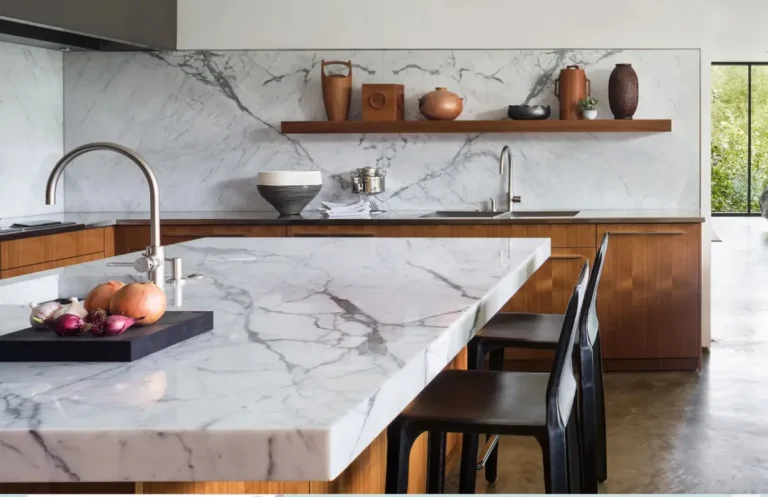
| Linear Veined | Features long, sweeping “movement” lines of gold or grey. | Large kitchen islands; full-height backsplashes. | High |
| Crystal / Translucent | High quartz concentration that allows light to penetrate the surface. | Backlit bar tops; luxury master suites. | Very High |
| Leathered Finish | A textured, matte surface that hides fingerprints and smudges. | Outdoor kitchens; high-traffic family zones. | High |
| Honed Finish | Flat, non-reflective matte finish for a contemporary, muted look. | Modern architectural designs; bathrooms. | Moderate to High |
Choosing between these variations depends on the lighting of the room and the desired level of “movement.” Linear veined slabs are often used in “book-matched” applications, where two mirrored slabs are placed side-by-side to create a continuous pattern. High-clarity slabs are more difficult to source and often command a premium price because they offer a consistent, “quiet” aesthetic that complements many different cabinetry styles.
Practical Scenarios or Thematic Applications
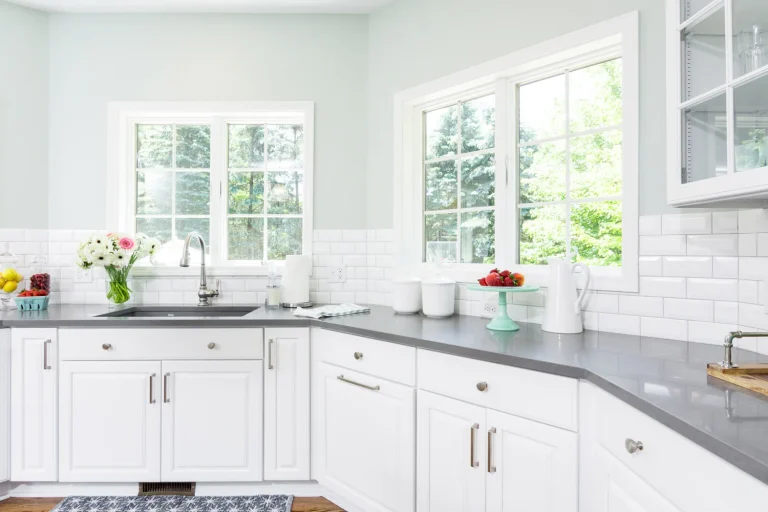
Scenario 1: The High-End Culinary Kitchen
In a space designed for heavy food preparation, the surface must resist scratching from knives and etching from acidic ingredients like citrus or vinegar.
-
Components: 3cm thick Taj Mahal slabs, eased or bullnose edges, and undermount stainless steel sinks.
-
Steps: Digital templating of cabinetry, precision waterjet cutting, and application of a heavy-duty impregnating sealer.
-
Relevance: This scenario utilizes the silicate nature of the stone; unlike marble, taj mahal countertops will not chemically react with lemon juice, preventing the dull white spots known as “etching.“
Scenario 2: The Backlit Luxury Bar
Taking advantage of the stone’s high quartz content to create a translucent, glowing effect.
-
Components: 2cm thinned slabs, LED light panels, and mitered “apron” edges to hide the lighting hardware.
-
Steps: Selection of slabs with high crystal clarity, installation of a specialized support frame, and wiring for dimmable LEDs.
-
Relevance: This application highlights the unique geological property of translucency found in high-grade quartzite, transforming a countertop into a light source.
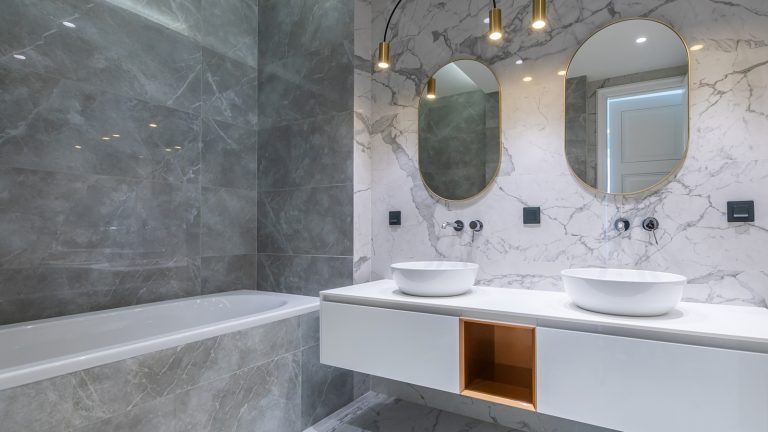
Scenario 3: The Monolithic Master Bathroom
Creating a serene, spa-like environment by using the stone for the counter, backsplash, and shower accents.
-
Components: Matching lot-numbered slabs, matching floor tiles, and coved transitions.
-
Steps: Ensuring all slabs come from the same quarry block to maintain color consistency, waterproofing substrates, and epoxy seaming.
-
Relevance: The neutral, warm tones of Taj Mahal are specifically suited for small spaces where dark or busy patterns might feel overwhelming.
Comparison: Scenario 1 focuses on mechanical and chemical utility; Scenario 2 prioritizes experiential aesthetics; Scenario 3 emphasizes large-scale architectural cohesion. Readers should identify whether they prioritize the stone as a “workhorse” or a “showpiece.“
Planning, Cost, and Resource Considerations
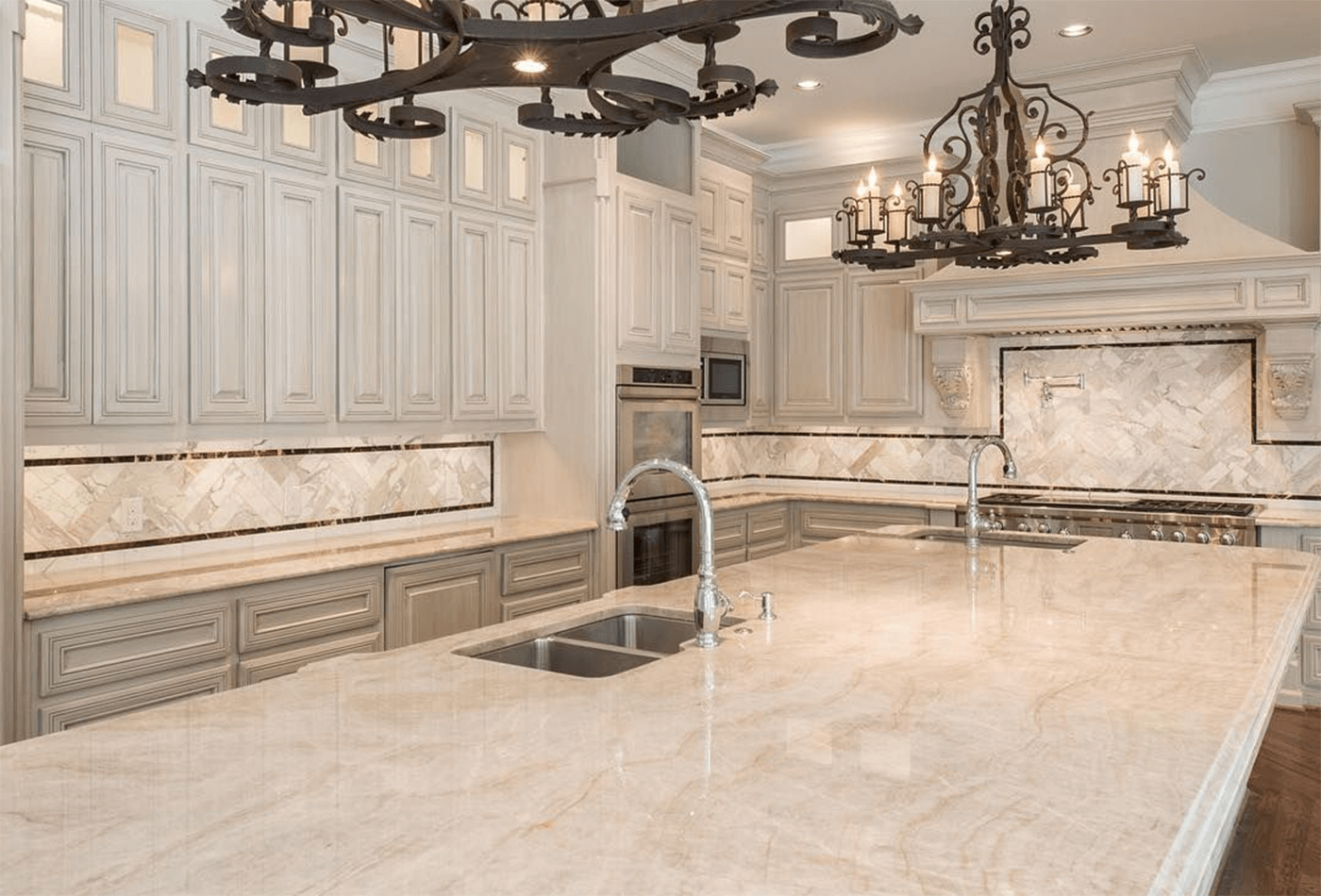
Preparation is vital because Taj Mahal is significantly harder to cut than granite or marble, requiring more time and specialized diamond tooling.
Sample Planning & Budget Table
| Category | Estimated Amount / Effort | Explanation | Optimization Tips |
| Material (Slabs) | $90 – $200 per sq. ft. | Quartzite is a premium material with high extraction costs. | Select slabs with “fissures” in non-visible areas to save. |
| Fabrication | $30 – $70 per linear ft. | Hardness requires slower cutting speeds and waterjets. | Minimize the number of cutouts (sinks, outlets). |
| Structural Prep | $200 – $600 | Ensuring cabinets can support 20+ lbs per sq. ft. | Ensure cabinets are level within 1/16-inch. |
| Installation | $500 – $1,500 | Professional labor for delivery and secure seaming. | Clear the delivery path to prevent labor overages. |
Note: Figures are examples for educational purposes and vary by region and stone rarity.
Strategies, Tools, and Support Options
The successful execution of a quartzite project relies on specialized industrial strategies.
-
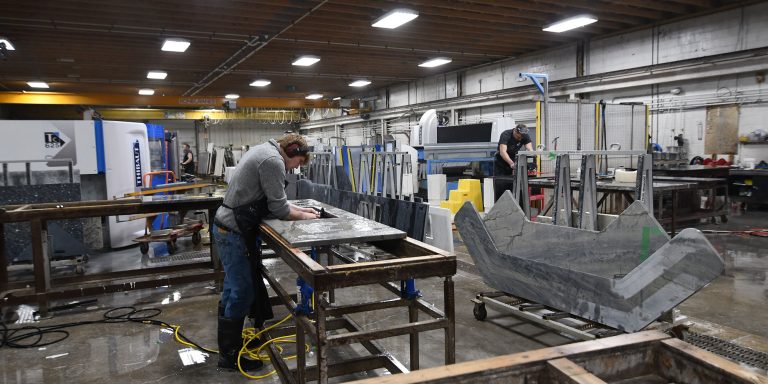
CNC Waterjet Cutting: A strategy using high-pressure water mixed with abrasives to slice the stone.
-
Advantages: Prevents the heat-related cracking often seen with traditional circular saws on hard quartzite.
-
Disadvantages: High shop overhead costs.
-
-
Impregnating Sealers: Chemical barriers that penetrate the stone’s pores.
-
Advantages: Provides a window of time to clean spills; does not change the look of the stone.
-
Disadvantages: Requires reapplication every 1–3 years.
-
-
Mitered Edge Construction: Joining two slabs at a 45-degree angle.
-
Advantages: Makes a standard slab appear much thicker (e.g., a 2-inch look from 1.25-inch stone).
-
Disadvantages: The corner is a sharp joint and can be prone to chipping if struck.
-
-
Steel Stiffeners: Metal bars routed into the underside of the slab for overhangs.
-
Advantages: Provides safety for breakfast bars without visible “legs” or corbels.
-
Disadvantages: Increases the complexity and weight of the installation.
-
Safety, Risks, and Common Challenges

-
Mislabeling: Some suppliers may label “dolomitic marble” as quartzite. Risk: Dolomite will etch like marble. Prevention: Perform a “scratch test” or “acid test” on a sample piece before purchase.
-
Silica Dust: Cutting quartzite releases high levels of crystalline silica. Risk: Respiratory health issues for fabricators. Prevention: Professional shops must use wet-cutting methods and OSHA-approved filtration.
-
Cracking during Transport: Because quartzite is very rigid, it can snap if handled incorrectly. Prevention: Verify that the fabricator uses specialized A-frame transport racks and is fully insured.
-
Seam Visibility: Due to the light color of the stone, seams can be visible if the epoxy is not perfectly color-matched. Prevention: Review the seam layout and epoxy color before final installation.
Maintenance, Best Practices, and Long-Term Management
Ongoing management ensures that the stone’s crystalline structure remains free of contaminants.
-
Daily Routine: Wipe with a soft microfiber cloth and a pH-neutral cleaner. Avoid abrasive “scrub” pads, which can create micro-scratches.
-
The “Water Test”: Pour a small amount of water on the counter. If it beads, the sealer is active. If it soaks in, the stone must be resealed immediately.
-
Heat Best Practice: While heat-resistant, avoid “thermal shock” (e.g., placing a frozen item and then a boiling pot on the same spot), which can cause stress fractures.
-
pH Neutrality: Avoid vinegar, lemon-based cleaners, or bleach. While quartzite is acid-resistant, these chemicals can break down the sealer over time.
Documentation and Reporting
For large-scale projects, documenting the specific slab data is standard for future repairs.
Tips for Organizing Information:
-
Keep a record of the “Lot Number” and “Block Number” from the stone yard.
-
Save a digital copy of the final CAD template used by the fabricator.
Illustrative Examples:
-
Repair Readiness: A homeowner keeps a small 12×12 inch remnant of the original slab. If a chip occurs, a specialist can use the remnant to create a color-matched repair.
-
Facility Management: A property manager for a luxury development records the sealing date for every unit to ensure a standardized maintenance schedule.
FAQ
Q: Is Taj Mahal granite or marble? A: Neither. It is quartzite. It is harder than granite but has the aesthetic qualities of marble.
Q: Does Taj Mahal stain easily? A: It is highly stain-resistant compared to other stones, but it is still porous. Oily substances left for long periods can eventually penetrate if the stone is not sealed.
Q: Can I cut food directly on the countertop? A: While quartzite is harder than steel and will not scratch easily, it will dull your knives almost instantly. Using a cutting board is a best practice.
Closing Summary
Taj mahal countertops represent a sophisticated balance of geological durability and neutral aesthetic elegance. By understanding the stone’s origin as a metamorphosed sandstone, users can appreciate its superior hardness and resistance to chemical etching. Success with this material relies on professional fabrication using waterjet technology, structural cabinet reinforcement, and a disciplined maintenance schedule centered on pH-neutral cleaning and periodic sealing. As a permanent architectural feature, it offers a high light-reflectance and a timeless visual quality that suits both modern and traditional environments.