Quartz Kitchen Countertops: A Comprehensive Technical & Practical Guide
The Comprehensive Guide to Quartz Kitchen Countertops
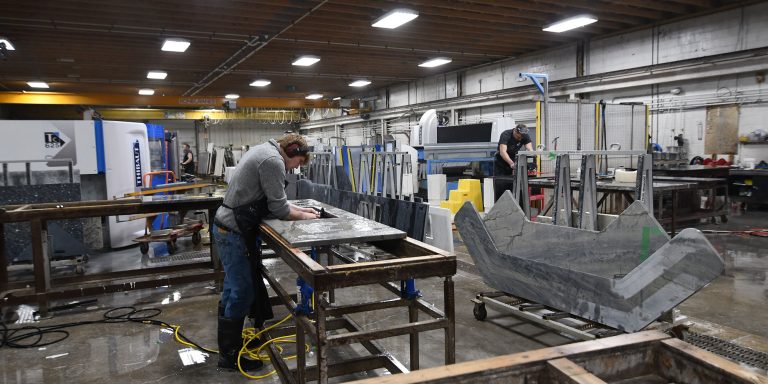
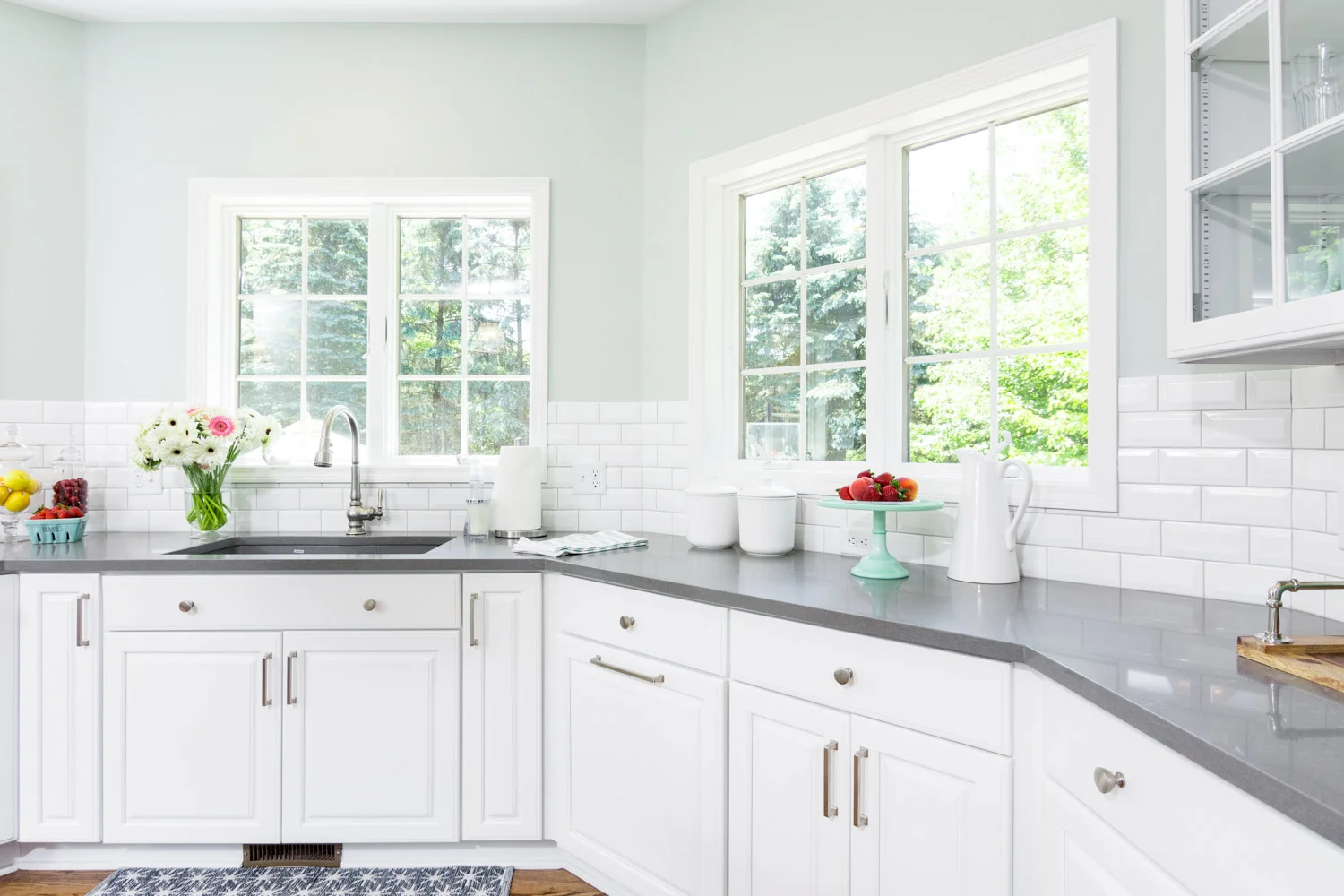
Quartz surfaces represent a significant advancement in material science applied to residential and commercial architecture. Unlike natural stone slabs that are quarried directly from the earth in a single piece, these surfaces are engineered products. They are manufactured by combining crushed natural quartz minerals—one of the hardest substances found in nature—with polymer resins, binding agents, and pigments. This process results in a slab that is exceptionally dense, non-porous, and structurally uniform.
Understanding the technical specifications and logistical requirements of these surfaces is essential for successful kitchen planning. This guide provides a neutral, detailed overview of how these materials are produced, the various aesthetic and functional categories available, and the practical considerations for long-term management. Readers will learn to evaluate material quality, understand the implications of different fabrication methods, and implement best practices for maintaining the integrity of the installation over time.
Understanding Quartz Kitchen Countertops
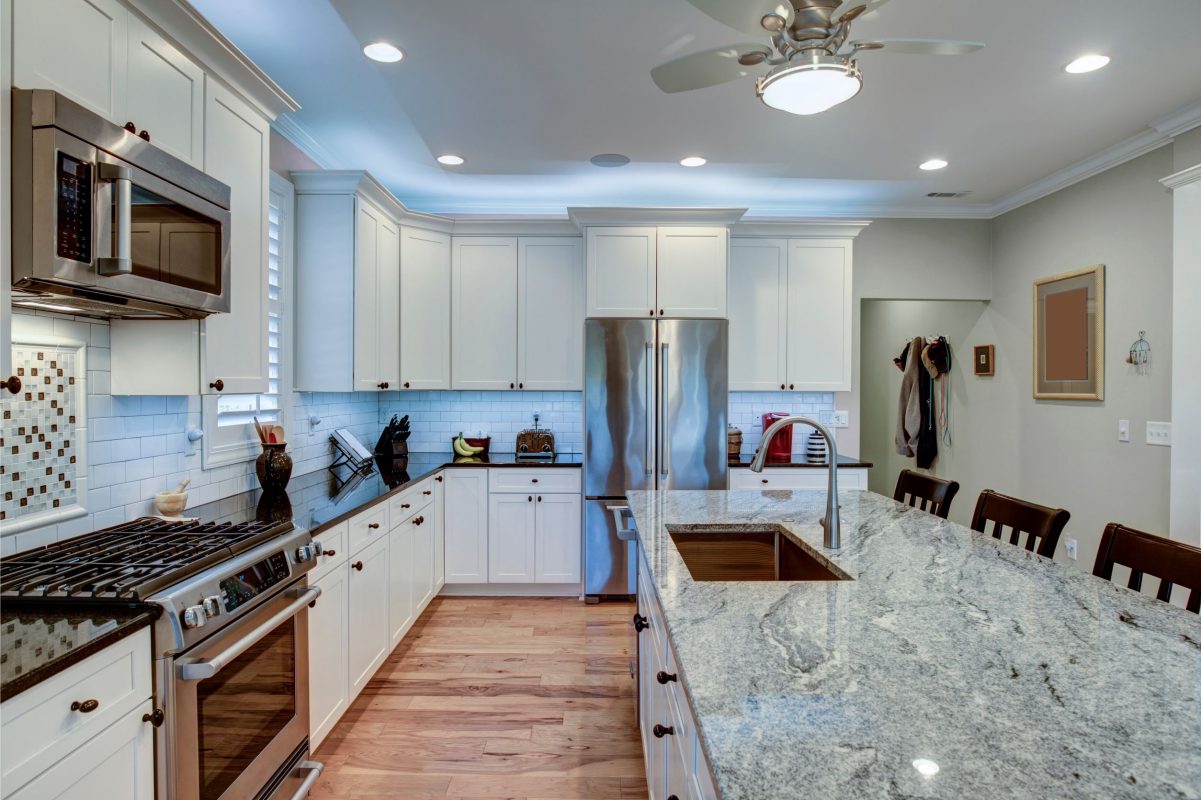
The core concept behind quartz kitchen countertops is the industrial refinement of natural minerals to eliminate the structural inconsistencies found in quarried stone. The manufacturing process, often referred to as the Bretonstone process, involves mixing approximately 90% to 94% ground quartz with 6% to 10% polyester resins. Under high pressure and vacuum, the air is removed, creating a slab that is virtually void-free.
People commonly approach this material when seeking a balance between the aesthetic appeal of natural stone and the mechanical reliability of an engineered product. Typical goals include achieving a high degree of stain resistance and eliminating the need for periodic chemical sealing. Outcomes generally include a durable, hygienic workspace that resists the absorption of liquids and food-borne bacteria, provided the material is handled according to its specific thermal and chemical limitations.
Key Categories and Aesthetic Variations
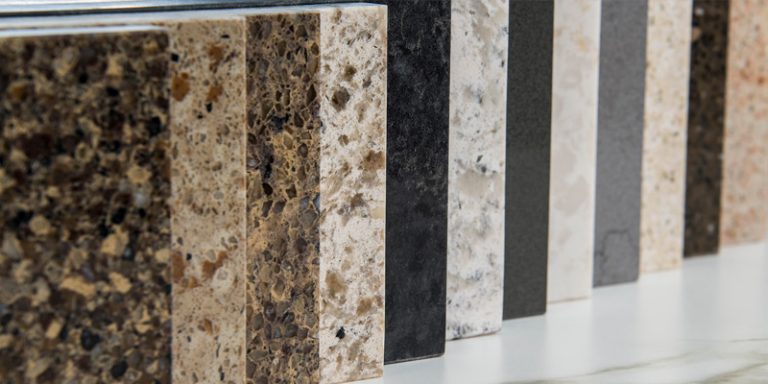
Engineered stone is available in several distinct categories based on the size of the mineral aggregates and the pigmenting techniques used during production.
Material Category Table
| Category / Type | Description | Common Use Case | Effort / Cost Level |
| Fine-Grain / Solid | Uniform color with microscopic particles for a sleek, flat appearance. | Minimalist or modern kitchen designs. | Moderate |
| Coarse-Grain | Larger, visible quartz crystals that provide a textured, granite-like look. | Traditional or transitional home interiors. | Low to Moderate |
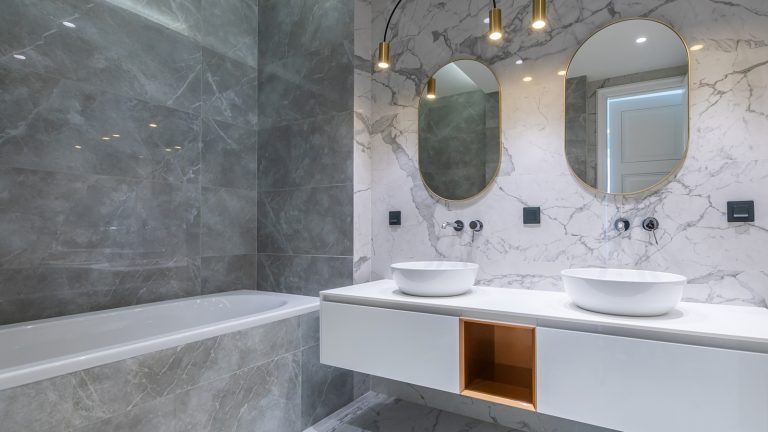
| Veined / Marble-Look | Injected pigments that mimic the directional flow of natural stone. | Luxury islands and decorative focal points. | High |
| Industrial / Matte | Textured or “honed” surfaces with grey or concrete-like tones. | Loft-style kitchens and contemporary workspaces. | Moderate |
| Recycled / Multi-Color | Includes glass fragments or mirrored pieces for reflective depth. | Eco-conscious projects or vibrant retail spaces. | Low |
Choosing between these categories depends on the lighting of the environment and the desired maintenance profile. For example, polished, fine-grain surfaces reflect more light and appear brighter, while matte or industrial finishes may require more frequent wiping to remove finger oils or water spots due to their textured surface.
Practical Scenarios or Thematic Applications
Scenario 1: The High-Traffic Family Kitchen
In a household with multiple users and frequent food preparation, the priority is resilience against impact and staining.
-
Components: 3cm thick slabs, eased or bullnose edge profiles, and integrated undermount sinks.
-
Steps: Selection of a multi-tonal or coarse-grain pattern, cabinet reinforcement for stone weight, and professional seam placement.
-
Relevance: This application tests the material’s non-porous nature against common acidic liquids like lemon juice, coffee, and vinegar.
Scenario 2: The Modern Executive Kitchen
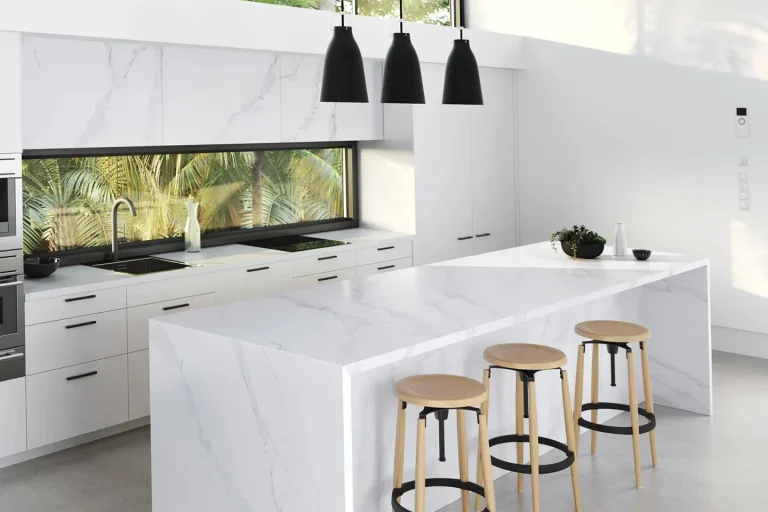
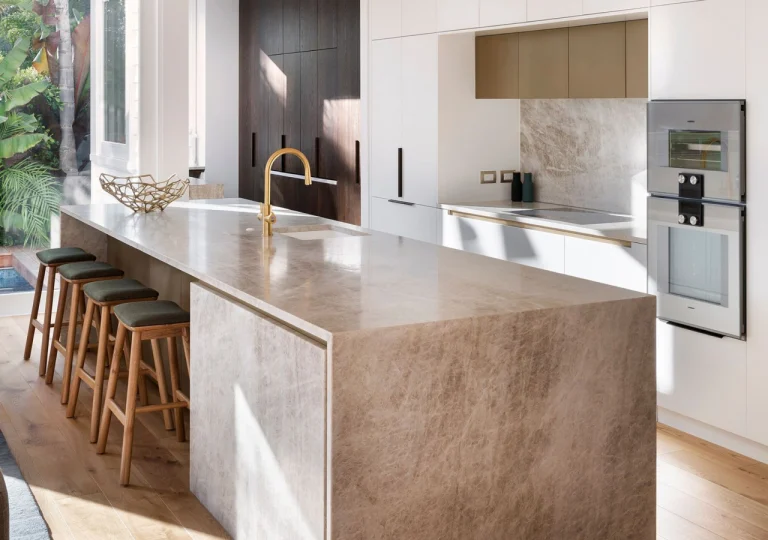
Focuses on visual continuity and architectural integration where the countertop often extends into “waterfall” edges or full-height backsplashes.
-
Components: Book-matched veined slabs, mitered edges for a seamless look, and concealed outlet cutouts.
-
Steps: Precise digital templating, specialized CNC cutting, and high-strength epoxy bonding for mitered joints.
-
Relevance: This demonstrates the ability of engineered stone to provide a level of pattern consistency that natural stone cannot achieve across large spans.
Scenario 3: The Professional Baking Station
Quartz is frequently utilized by bakers because of its smooth, cool surface and resistance to moisture absorption.
-
Components: Polished fine-grain quartz, extra-deep counter depths, and specialized support for heavy mixers.
-
Steps: Ensuring a perfectly level installation, applying food-safe cleaners, and maintaining clear workspace boundaries.
-
Relevance: The absence of pores ensures that flour, fats, and dough do not become trapped in the surface, facilitating high sanitation standards.
Comparison: Scenario 1 prioritizes durability and camouflaging daily wear; Scenario 2 emphasizes high-end aesthetic alignment; Scenario 3 focuses on functional sanitation. Readers should select their material thickness and finish based on which of these environments most closely matches their intended use.
Planning, Cost, and Resource Considerations
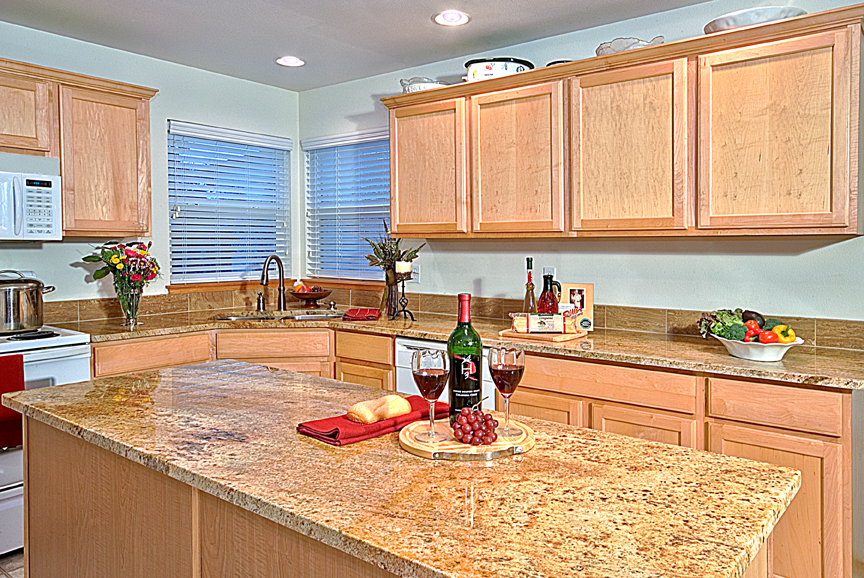
Planning is the most critical phase for quartz kitchen countertops because the material is rigid and cannot be easily modified once fabrication is complete. Preparation involves measuring not just the surface area, but also the structural capacity of the floor and cabinetry to support the significant weight of the stone.
Sample Budget Table
| Category | Estimated Amount / Effort | Explanation | Optimization Tips |
| Slab Material | $50 – $120 per sq. ft. | Cost varies by brand, pattern complexity, and thickness. | Consider “remnants” for small sections or islands. |
| Templating | 2–4 Hours | Professional measurement using laser or physical guides. | Clear all existing counters before the technician arrives. |
| Fabrication | $20 – $50 per linear ft. | Includes cutting, edge profiling, and sink cutouts. | Opt for standard edges (Eased) to reduce labor costs. |
| Installation | $400 – $1,000 total | Specialized labor for delivery and secure placement. | Ensure clear access to the site to avoid “difficult carry” fees. |
Note: Figures are illustrative examples based on market averages and will fluctuate according to region and project scope.
Strategies, Tools, and Support Options
Successful implementation relies on specific industrial tools and structural strategies.
-
Laser Templating: A digital measuring strategy that creates a perfect CAD file of the cabinetry.
-
Advantages: Accounts for walls that are not square; extremely high precision.
-
Disadvantages: Requires specialized technicians and equipment.
-
-
CNC Waterjet Cutting: Using high-pressure water and abrasives to cut the quartz slabs.
-
Advantages: Precision cuts for sinks and faucets; minimizes the risk of heat-related stress cracks.
-
Disadvantages: High shop overhead; fixed location (cannot be done on-site).
-
-
Seam Setters: Suction-based tools used during installation to pull slabs together while epoxy cures.
-
Advantages: Creates level, nearly invisible joints.
-
Disadvantages: Adds time to the installation day.
-
-
Steel Bracketing: Reinforcing large overhangs (like breakfast bars) with hidden steel plates.
-
Advantages: Provides safety for overhangs exceeding 10–12 inches without visible “legs.”
-
Disadvantages: Must be integrated into the cabinet design before the stone is placed.
-
Safety, Risks, and Common Challenges
-
Thermal Shock: While quartz is heat-resistant, the polymer resins can melt or discolor at temperatures exceeding 300°F. Prevention: Always use trivets or hot pads for cookware directly from the stove.
-
Silica Dust: During the fabrication process, cutting quartz releases crystalline silica. Prevention: Professional fabricators must use wet-saw methods and high-level respiratory protection.
-
Chemical Damage: High-pH cleaners (bleach, drain cleaners) can permanently dull the resin surface. Prevention: Use only pH-neutral soap and water for daily cleaning.
-
Edge Chipping: While the surface is hard, sharp 90-degree edges are susceptible to chipping if struck by heavy objects. Prevention: Choose rounded edge profiles like bullnose or eased corners.
Maintenance and Best Practices
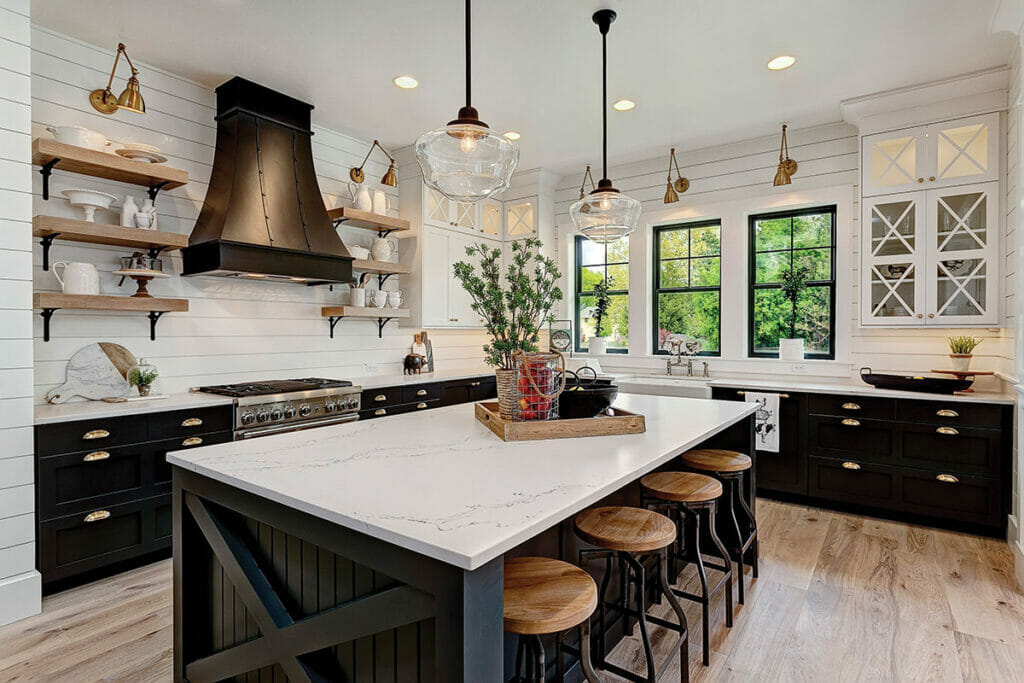
Long-term management of quartz is characterized by its “low-maintenance” status, but it is not “no-maintenance.”
-
The Daily Wipe: Use a soft cloth or sponge with warm water and mild dish soap. Avoid abrasive scouring pads that can create micro-scratches.
-
Immediate Spill Cleanup: Substances with high pigmentation (wine, turmeric, permanent markers) should be removed immediately to prevent surface staining.
-
Avoid Pressure: Do not stand or sit on the countertops, particularly near sink cutouts or seams, as these are the weakest points of the slab.
-
Regular Caulking Review: Periodically inspect the silicone seal where the countertop meets the backsplash. If the seal fails, moisture can damage the cabinetry.
Documentation and Reporting
For large-scale or high-end projects, maintaining documentation is standard for warranty and future repair needs.
Tips for Organizing Information:
-
Keep a record of the manufacturer, color name, and batch/lot number.
-
Store a digital copy of the final CAD template or physical drawings.
Illustrative Examples:
-
Warranty Filing: A homeowner saves the manufacturer’s care guide to ensure they do not use a prohibited chemical that would void the 15-year limited warranty.
-
Batch Matching: A commercial facility documents the exact lot number so that if a section is damaged, they can source a slab from the same production run to ensure a color match.
FAQ
Q: Do quartz kitchen countertops need to be sealed?
A: No. Because they are manufactured with resin, they are non-porous and do not require the periodic sealing necessary for granite or marble.
Q: Can I cut food directly on the quartz surface?
A: While quartz is scratch-resistant, it is much harder than steel knives. Cutting directly on the surface will dull your knives instantly and may leave “metal marks.” Using a cutting board is recommended.
Q: Is quartz environmentally friendly?
A: It is considered semi-sustainable as it uses waste products (crushed mineral) rather than requiring whole-slab quarrying, though the resins are petroleum-based.
Closing Summary
Quartz kitchen countertops offer a robust, non-porous, and aesthetically versatile solution for modern residential and commercial spaces. By combining natural mineral hardness with advanced polymer technology, these surfaces provide high resistance to staining and bacterial growth without the maintenance requirements of natural stone. Success with this material relies on professional templating, an awareness of thermal limitations, and a commitment to pH-neutral cleaning to preserve the surface’s integrity for the long term.