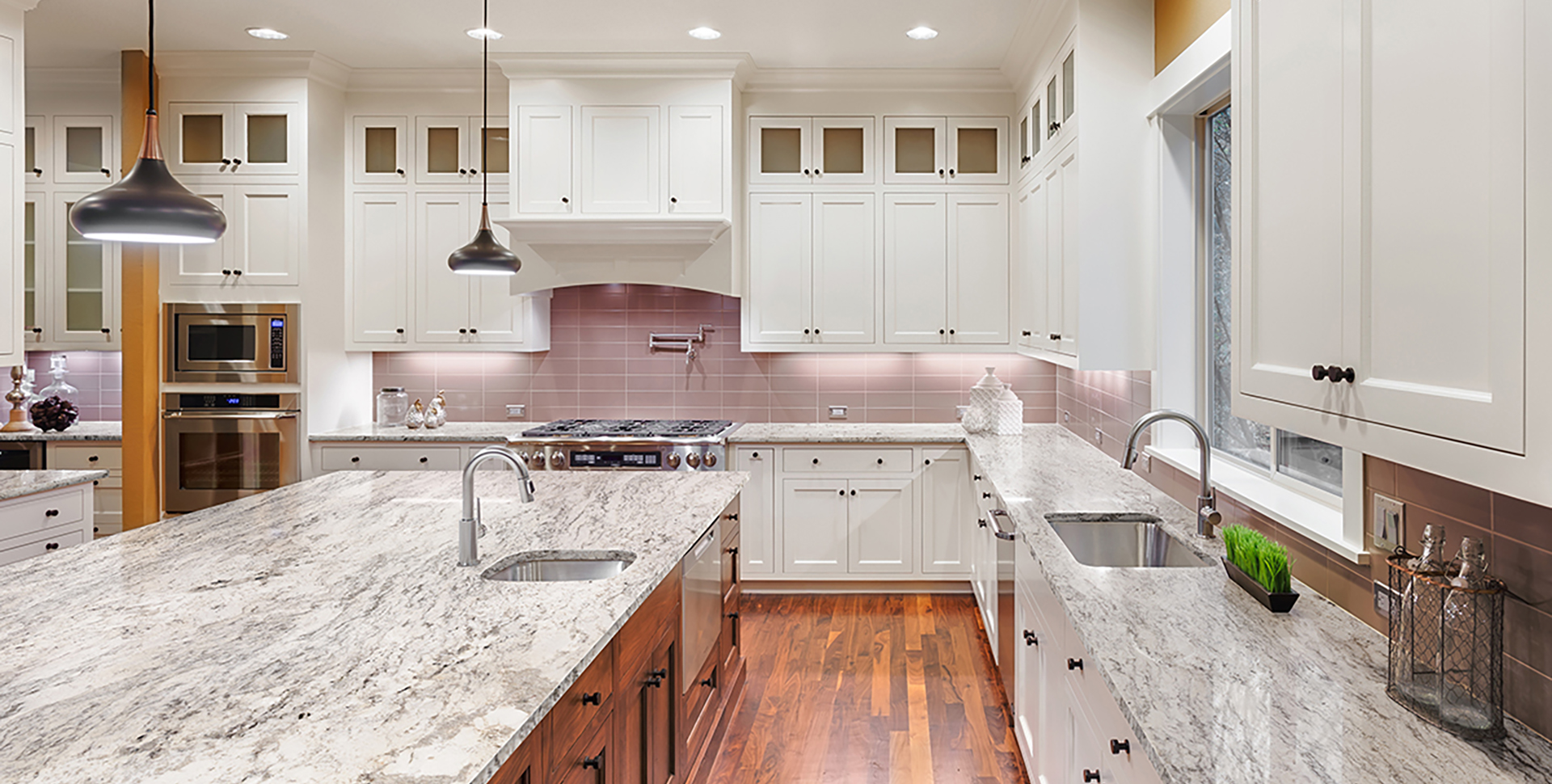
Natural Stone Countertops: A Comprehensive Technical & Practical Guide
The Comprehensive Guide to Natural Stone Countertops
Natural stone countertops are architectural surfaces fabricated from raw rock quarried directly from the earth’s crust. Unlike engineered or synthetic materials, these surfaces are composed of minerals formed over millions of years through geological processes such as volcanic activity, sedimentation, or metamorphic transformation. Because they are products of nature, each slab possesses unique chemical compositions, densities, and aesthetic patterns, making them a primary choice for durable and heat-resistant workspaces in residential and commercial settings.
Understanding the technical attributes and logistical requirements of these materials is essential for any construction or renovation project. This guide provides a neutral, detailed overview of the various stone types available, the practicalities of the fabrication process, and the specific maintenance protocols required to preserve the stone’s integrity. Readers will learn how to differentiate between stone categories, plan for budgetary and structural needs, and mitigate common risks associated with the use of organic mineral slabs.

Understanding Natural Stone Countertops
The core concept behind natural stone countertops is the extraction and refinement of Earth’s minerals into functional, flat surfaces. The process begins in quarries where massive blocks of stone are extracted using diamond-wire saws or explosives. These blocks are then transported to a processing facility where they are sliced into slabs, usually 2cm or 3cm thick, and polished or honed to a specific finish. Because the material is not manufactured, its physical properties—such as hardness, porosity, and acid resistance—are dictated entirely by its mineralogy.
People commonly approach these materials when seeking surfaces that offer high heat resistance and a unique, non-repeating visual character. Typical goals include increasing the longevity of a workspace and utilizing a material that can withstand the rigors of culinary or laboratory environments. The expected outcome is a surface that is structurally rigid and permanent, provided the user understands the specific maintenance needs, such as periodic sealing, that are inherent to porous natural materials.
Key Categories and Geological Variations
Natural stone is categorized based on its geological formation, which directly influences how it performs as a countertop surface.
Material Category Table
| Category / Type | Description | Common Use Case | Effort / Cost Level |
| Granite | Igneous rock; extremely hard and heat-resistant with a speckled grain. | High-traffic kitchens and outdoor utility areas. | Moderate |
| Marble | Metamorphic rock; primarily calcium carbonate with elegant veining. | Bathrooms, baking stations, and formal furniture. | High |
| Quartzite | Metamorphic; formed from sandstone. Harder than granite but looks like marble. | Luxury kitchen islands and high-performance focal points. | Very High |
| Soapstone | Metamorphic; high talc content. Chemically inert and non-porous. | Science laboratories and rustic residential kitchens. | Moderate to High |
| Slate | Fine-grained sedimentary rock; splits into thin layers but very durable. | Modern minimalist kitchens and flooring-to-counter transitions. | Moderate |
Choosing between these categories requires balancing aesthetic preference with chemical tolerance. For example, while marble is highly valued for its luminosity, its calcium-based structure makes it vulnerable to “etching” from acidic substances. Conversely, granite and quartzite offer superior resistance to scratching and chemical reactions, making them more suitable for heavy food preparation areas.
Practical Scenarios or Thematic Applications
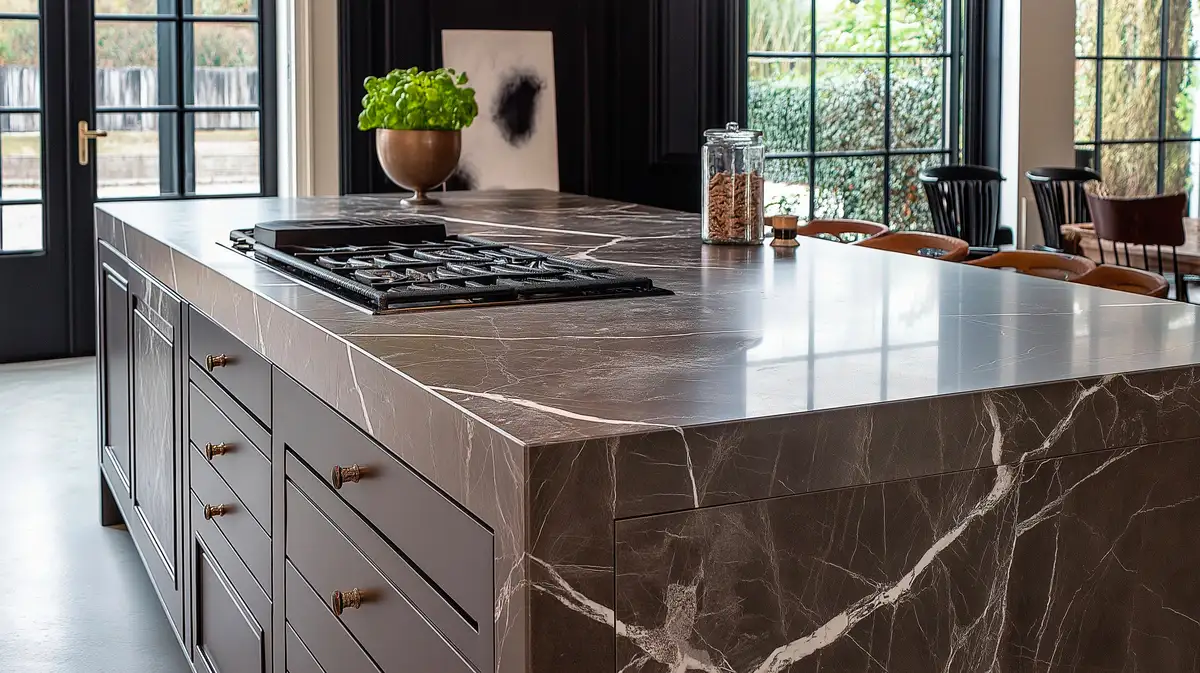
Scenario 1: The High-Utility Culinary Kitchen
In a professional or high-volume home kitchen, the surface must endure extreme heat, sharp tools, and constant moisture.
-
Components: 3cm granite or quartzite slabs, eased edges for chip resistance, and undermount stainless steel sinks.
-
Steps: Structural reinforcement of base cabinetry, precision laser templating, and application of a heavy-duty impregnating sealer.
-
Relevance: This scenario highlights the stone’s ability to handle hot cookware directly from the stove without melting or scorching, a task synthetic materials cannot perform.
Scenario 2: The Specialized Baking Station
Bakers often require a surface that maintains a naturally low surface temperature to keep fats in dough from melting.
-
Components: Polished marble slabs, extra-deep counter depths, and specialized stone-safe sanitation kits.
-
Steps: Leveling the substrate to 1/16-inch accuracy, hand-polishing the stone edges, and sealing with food-safe barriers.
-
Relevance: The high thermal mass of marble allows it to stay cooler than the ambient air temperature, providing a functional advantage for pastry work.
Scenario 3: The Outdoor Living Space
Countertops in outdoor environments are exposed to UV rays, freezing temperatures, and precipitation.
-
Components: Honed granite or soapstone, weatherproof adhesive joints, and concrete or steel support frames.
-
Steps: Selecting stone with low iron content (to prevent rust), installing with a slight pitch for water drainage, and using UV-stable sealers.
-
Relevance: This scenario showcases the geological resilience of natural stone, which does not fade or warp under direct sunlight like resin-based engineered products.
Comparison: Scenario 1 focuses on mechanical and thermal durability; Scenario 2 prioritizes thermodynamic properties; Scenario 3 emphasizes environmental weathering resistance. Readers should identify their primary environmental stressor before selecting a stone type.
Planning, Cost, and Resource Considerations

Planning is essential because natural stone countertops are heavy, rigid, and impossible to adjust once they are cut. Errors in measurement can lead to slab breakage or the loss of expensive raw material.
Sample Budget Table
| Category | Estimated Amount / Effort | Explanation | Optimization Tips |
| Material (Slabs) | $45 – $200+ per sq. ft. | Cost depends on stone rarity, origin, and thickness. | Select “Tier 1” or common colors to reduce costs. |
| Fabrication | $20 – $60 per linear ft. | Labor for cutting, sink cutouts, and edge profiling. | Minimize the number of cutouts to reduce labor time. |
| Structural Prep | $200 – $500 | Ensuring cabinets are level and reinforced for weight. | Use plywood sub-tops for thinner stone slabs. |
| Installation | $400 – $1,200 | Specialized labor for delivery, seaming, and placement. | Ensure clear access to the site to avoid “difficult carry” fees. |
Note: Figures are illustrative examples based on 2026 market data and will vary by region and stone rarity.
Strategies, Tools, and Support Options
The successful installation of stone relies on specialized industrial strategies to manage weight and brittleness.
-
CNC Waterjet Cutting: A computer-controlled strategy for cutting stone using high-pressure water and abrasives.
-
Advantages: Extreme precision for complex curves and sink holes.
-
Disadvantages: High shop overhead costs.
-
-
Epoxy Seaming: Joining two slabs using a color-matched resin that bonds the stone chemically.
-
Advantages: Creates a structurally sound, nearly invisible joint.
-
Disadvantages: Requires high artisan skill to match the stone’s natural grain.
-
-
Honed vs. Polished Finish: Choosing the surface texture of the stone.
-
Advantages: Honed (matte) finishes hide scratches better; polished finishes provide maximum stain resistance.
-
Disadvantages: Polished surfaces show “etching” more clearly on calcium-based stones.
-
-
Impregnating Sealers: Chemical barriers that penetrate below the stone’s surface.
-
Advantages: Effectively clogs pores to prevent deep staining without changing the stone’s appearance.
-
Disadvantages: Requires periodic reapplication.
-
Safety, Risks, and Common Challenges
-
Porosity and Staining: Most natural stones are porous. If not sealed, liquids like red wine or oil can seep into the stone and leave permanent marks. Prevention: Maintain a regular sealing schedule.
-
Acid Etching: Stones containing calcium (marble, limestone) react chemically with acids (lemon, vinegar), creating dull spots. Prevention: Use pH-neutral cleaners and cutting boards.
-
Structural Cracking: Fissures are natural in stone, but they can become cracks if the cabinets are not perfectly level. Prevention: Use professional installers to ensure even weight distribution.
-
Physical Weight: Natural stone is exceptionally heavy. Prevention: Cabinets must be inspected for structural integrity; never stand or sit on the countertops.
Maintenance and Best Practices
Ongoing management is required to ensure the stone maintains its functional and aesthetic properties.
-
The Daily Routine: Wipe surfaces with a soft cloth and a pH-neutral cleaner specifically formulated for stone. Avoid “all-purpose” sprays containing citrus or bleach.
-
The Sealing Checklist: Perform the “water test” every six months. If water no longer beads on the surface and starts to soak in, reapply an impregnating sealer.
-
Impact Awareness: Avoid dropping heavy objects like cast-iron pans on the edges, as the crystalline structure of the stone can chip.
-
Heat Management: While stone is heat-resistant, avoid extreme “thermal shock” (e.g., placing a frozen item and then a hot item on the same spot), which can cause stress fractures.
Documentation and Reporting
For large-scale projects or property management, documenting the stone’s origin is standard practice.
Tips for Organizing Information:
-
Store a record of the “Lot Number” and “Quarry Name” for future color matching.
-
Maintain a log of when the stone was last sealed and which product was used.
Illustrative Examples:
-
Facility Management: A commercial building records that all lobby granite was sealed in Q1, allowing them to predict the next maintenance cycle.
-
Residential Record: A homeowner keeps a remnant piece of their quartzite island in the garage; if a chip occurs, a fabricator can use the remnant to create a perfect color-matched repair.
FAQ
Q: Do natural stone countertops harbor bacteria?
A: When properly polished and sealed, natural stone is very hygienic. Its smooth surface makes it easy to wipe clean, and most stones do not support bacterial growth naturally.
Q: Is it possible to remove a stain from stone?
A: Yes. Most stains can be removed using a “poultice”—a paste that draws the stain out of the stone’s pores over 24 to 48 hours.
Q: Why is my granite changing color around the sink?
A: This usually indicates water absorption. It typically means the sealer has worn thin in that high-use area and needs to be reapplied.
Closing Summary
Natural stone countertops offer a permanent, heat-resistant, and aesthetically unique solution for architectural surfaces. By understanding the geological differences between stone types—such as the hardness of quartzite versus the temperature-stability of marble—users can select a material that fits their specific environmental needs. Success with these materials requires professional fabrication, structural cabinet reinforcement, and a disciplined maintenance schedule centered on pH-neutral cleaning and periodic sealing.