Modern Mid Century Modern Design Guide: Principles and Applications
The Comprehensive Guide to Modern Mid Century Modern Design
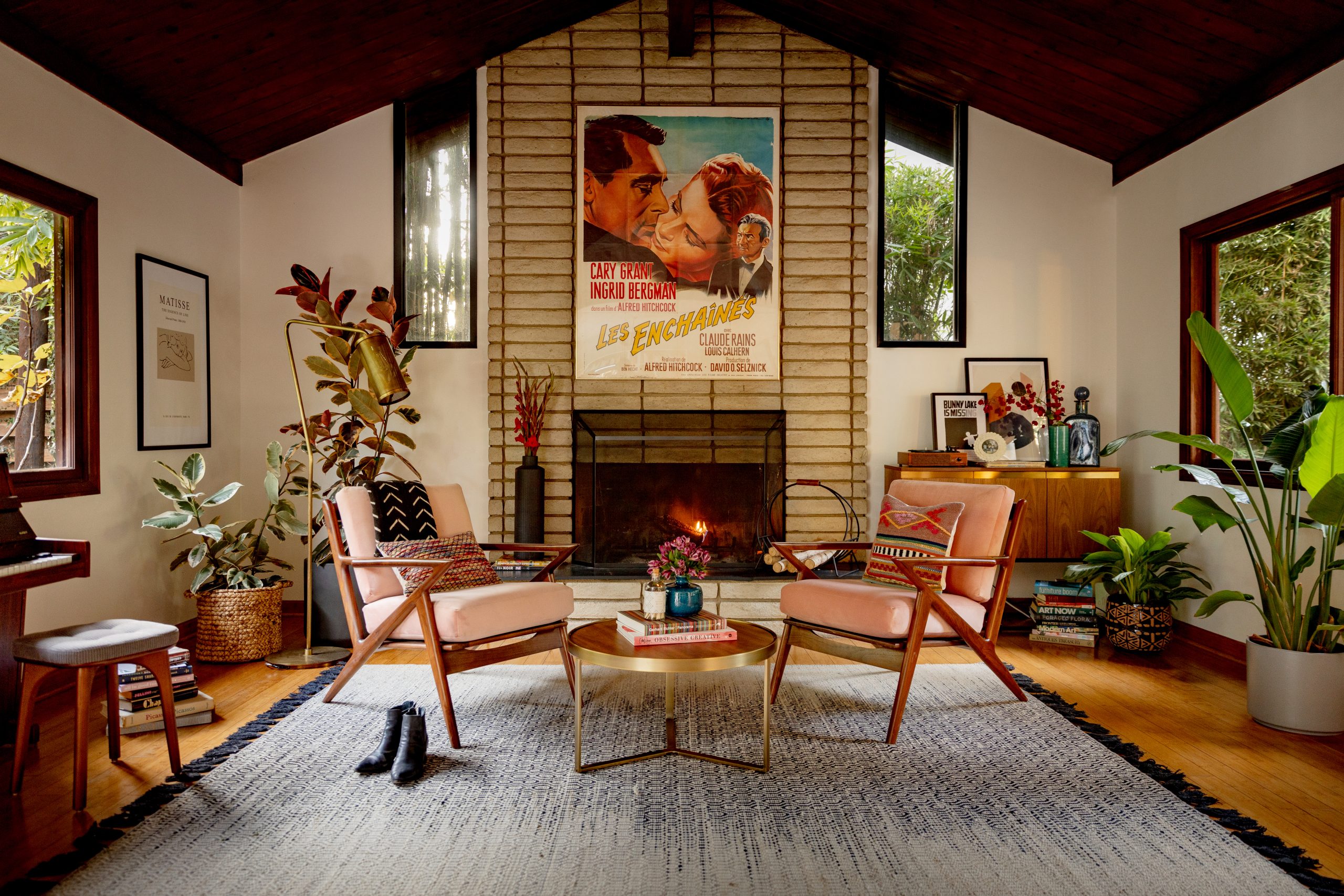
Mid-century modern design originally emerged in the post-World War II era, roughly spanning from 1945 to 1969. It was characterized by an emphasis on functionality, a marriage of organic and geometric forms, and the integration of indoor and outdoor living. In contemporary contexts, the term modern mid century modern refers to the evolution of these principles, adapting the iconic silhouettes of the 20th century to meet 21st-century technological standards, sustainability requirements, and lifestyle changes. This aesthetic serves as a bridge between nostalgia and innovation, prioritizing clean lines and “honesty in materials.“
Understanding the nuances of this design movement is essential for architects, interior planners, and homeowners alike. This guide provides a neutral, detailed overview of the core tenets of the style, the various categories of furniture and architectural features, and the practical logistical considerations for implementation. Readers will learn how to identify authentic design markers, plan for the budgetary needs of high-quality craftsmanship, and implement long-term maintenance strategies to preserve the structural and aesthetic value of these environments.

Overview of Modern Mid Century Modern
The core concept of modern mid century modern design is “Democratic Design”—the idea that well-designed objects should be accessible, functional, and devoid of unnecessary ornamentation. Geologically and structurally, this is expressed through the use of natural materials like teak, walnut, and oak, often contrasted with man-made materials like molded plastic, fiberglass, and tubular steel. The philosophy dictates that form should follow function; if a chair is designed for sitting, its aesthetic beauty must be derived from its ergonomic shape rather than applied decoration.
People commonly approach this style to create spaces that feel open, airy, and grounded. Typical goals include maximizing natural light through floor-to-ceiling windows and creating a “flow” between different rooms using open floor plans. The expected outcome is a sophisticated yet lived-in atmosphere where furniture pieces act as sculptural elements. In the contemporary era, this approach often integrates smart home technology and eco-friendly textiles, ensuring that the vintage aesthetic does not compromise modern efficiency or comfort.
Key Categories and Design Variations
Modern interpretations of the mid-century style are often categorized by their material focus and the specific era of inspiration they emphasize.
Design Category Comparison Table
| Category / Type | Description | Common Use Case | Effort / Cost Level |
| Scandinavian Influence | Focuses on light woods (birch/ash), neutral palettes, and extreme minimalism. | Small apartments; bright, airy living rooms. | Moderate |
| Industrial / Bauhaus | Emphasizes steel frames, primary colors, and glass. | Urban lofts; home offices; commercial spaces. | Moderate to High |
| Organic Modernism | Characterized by soft curves, kidney-shaped tables, and biophilic elements. | Relaxation zones; bedrooms; lounge areas. | High |
| Atomic / Pop | Incorporates futuristic shapes, starburst patterns, and bold, saturated colors. | Accent walls; creative studios; eclectic kitchens. | Low to Moderate |
| Architectural / Brutalist | Focuses on heavy wood, concrete, and geometric repetition. | Permanent structural features; exterior facades. | Very High |
Choosing between these categories requires an assessment of the existing architecture. For example, Scandinavian mid-century modern is highly effective in low-light environments due to its reflective, light wood tones, while Industrial Mid-Century often requires high ceilings and exposed structural elements to feel cohesive.
Practical Scenarios or Thematic Applications
Scenario 1: The Open-Plan Living-Dining Area
In this scenario, the design must define separate functional zones without using physical walls, maintaining the characteristic “airy” feel.
-
Components: Low-profile walnut credenzas, tapered-leg sofas (tuxedo or track style), and arched floor lamps.
-
Steps: Position the sofa to act as a soft barrier; use a large geometric rug to anchor the dining area; install pendant lighting (such as a Nelson bubble lamp) to define the vertical space.
-
Relevance: This scenario is the primary application of modern mid century modern principles, focusing on spatial flow and visual transparency.
Scenario 2: The Indoor-Outdoor Connection
Architectural integration that prioritizes large glass spans and consistent flooring materials to blur the boundary between the house and the garden.
-
Components: Sliding glass doors, clerestory windows, and natural stone flooring.
-
Steps: Extend the ceiling beams from the interior to the exterior eave; use similar plant species inside and out; keep window treatments minimal or recessed.
-
Relevance: This demonstrates the movement’s “biophilic” roots, which posit that human health is improved by a constant visual connection to nature.
Scenario 3: The Functional Home Office
Focuses on ergonomic efficiency while maintaining a clean, sculptural aesthetic that prevents the workspace from feeling “corporate.”
-
Components: Floating desks, bentwood chairs (such as Eames or Cherner styles), and modular shelving units.
-
Steps: Prioritize task lighting that doesn’t clutter the desk surface; hide technology cables within wood-veneer wire management systems; use “sputnik” clocks for functional wall art.
-
Relevance: This scenario highlights the “Form follows Function” rule, where the furniture is designed specifically to support the human body and modern work habits.
Comparison: Scenario 1 focuses on social flow; Scenario 2 on environmental integration; Scenario 3 on individual productivity. Readers should identify whether they are designing for a lifestyle of entertaining or one of focused work to determine the appropriate furniture density.
Planning, Cost, and Resource Considerations
Implementing a mid-century modern environment requires a strategic approach to “Hero Pieces”—investing in one or two high-quality items and supplementing with simpler elements.
Sample Planning & Budget Table
| Category | Estimated Amount / Effort | Explanation | Optimization Tips |
| Furniture (Authentic) | $2,000 – $8,000 per piece | Licensed reproductions or vintage originals (Herman Miller, Knoll). | Purchase vintage pieces requiring minor “refinishing.” |
| Materials (Wood/Stone) | $15 – $40 per sq. ft. | High-grade walnut veneers, slate, or terrazzo flooring. | Use “engineered” walnut to reduce raw timber costs. |
| Lighting | $300 – $1,500 per fixture | Iconic starburst, bubble, or artichoke designs. | Use high-CRI LED bulbs to preserve wood tones. |
| Labor (Specialized) | $50 – $150 per hour | Finish carpenters for custom built-ins and floating shelves. | Use modular “MCM-style” kits for shelving. |
Note: Figures are illustrative examples and will vary based on geographic location and the choice between vintage or new-production items.
Strategies, Tools, and Support Options
Successful execution relies on specific strategies to balance the “old” and the “new” without creating a space that feels like a museum.
-
The 80/20 Rule: A design strategy where 80% of the room is contemporary and 20% consists of iconic mid-century pieces.
-
Advantages: Prevents the space from feeling dated; easier to integrate modern technology.
-
Disadvantages: Requires careful curation to ensure the styles harmonize.
-
-
Color Palette Grounding: Using “earth tones” (olive green, mustard yellow, burnt orange) as accents against a neutral wood and white base.
-
Advantages: Immediately establishes the era’s identity.
-
Disadvantages: Bold colors can become visually fatiguing if overused.
-
-
Veneer Matching: A strategy of ensuring that the wood grains in a room (e.g., the desk and the shelving) come from the same species.
-
Advantages: Creates a sense of high-end custom craftsmanship.
-
Disadvantages: Can be expensive and difficult to source across different brands.
-
-
Tapered Leg Integration: Using “peg legs” on various furniture pieces.
-
Advantages: Keeps furniture off the floor, making the room appear larger.
-
Disadvantages: Can be less stable on high-pile carpeting.
-
Safety, Risks, and Common Challenges
-
Material Fragility: Original vintage pieces often use aged glues and dry veneers. Issue: Slabs may delaminate or joints may fail under modern weight. Mitigation: Inspect and reinforce vintage joints with modern adhesives before use.
-
Scale Incompatibility: Mid-century furniture was designed for smaller post-war homes. Risk: Small-scale chairs may look “lost” in a modern “Great Room.” Mitigation: Use larger rugs and grouping strategies to anchor small pieces.
-
Authenticity Scams: High demand for modern mid century modern has led to low-quality “fast-furniture” imitations. Issue: Poor structural integrity and “faked” wood grains. Mitigation: Check for manufacturer stamps (e.g., Knoll, Vitra) and prioritize solid wood over MDF.
-
Lighting Temperatures: Modern cool-white LEDs can make warm teak and walnut look grey or “dead.” Prevention: Use “Warm White” (2700K – 3000K) bulbs to enhance natural wood ambers.
Maintenance, Best Practices, and Long-Term Management
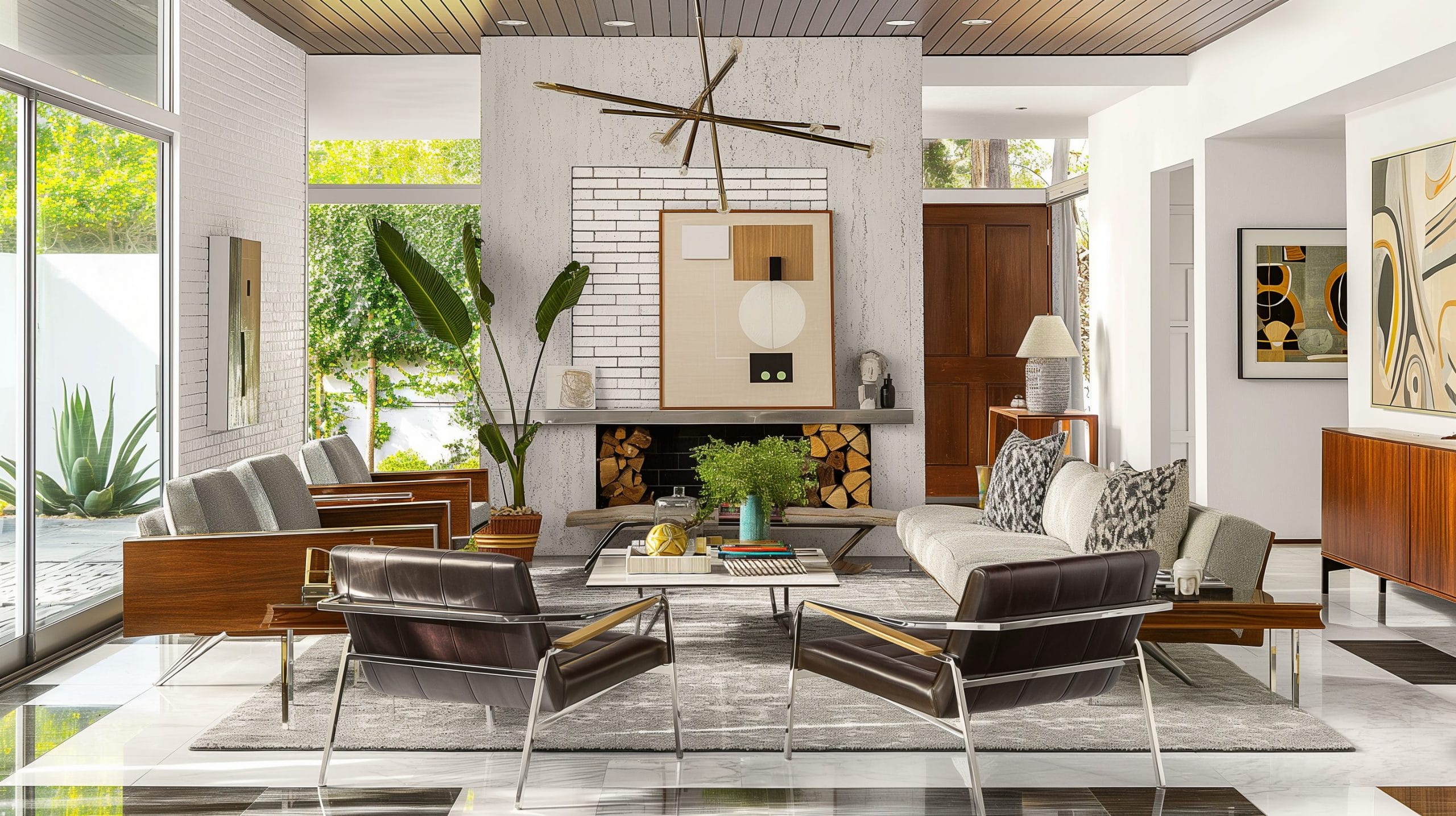
Preserving the value of mid-century environments requires specific care for natural wood and specialized polymers.
-
Wood Care: Natural oils in teak and walnut dry out over time.
-
Checklist: Apply a high-quality teak or Danish oil every 6–12 months. Wipe with the grain, never across it.
-
-
Plastic/Fiberglass Care: Modern reproductions in plastic can yellow under UV light.
-
Checklist: Use UV-protective window films; clean with pH-neutral soap; avoid abrasive “scrub” pads.
-
-
Textile Management: MCM often uses “slubby” wool or bouclé fabrics which are prone to pilling.
-
Checklist: Use a fabric shaver annually; rotate cushions to prevent sun-fading on one side.
-
-
Structural Check: Mid-century designs often rely on thin, elegant supports. Periodically check the “screws and bolts” of peg legs to ensure they haven’t loosened during floor cleaning.
Documentation and Reporting
For high-value collections, documenting the provenance of pieces is essential for insurance and resale value.
Tips for Organizing Information:
-
Keep a “Design Log” including the manufacturer, year of production, and wood species for each major piece.
-
Retain digital copies of Certificates of Authenticity for licensed reproductions.
Illustrative Examples:
-
Insurance Documentation: A homeowner records the serial number found on the underside of their Eames Lounge Chair, ensuring that in the event of damage, the replacement value is based on an authentic Herman Miller product rather than a generic imitation.
-
Restoration History: A collector documents the specific brand of oil and grit of sandpaper used to refinish a 1960s sideboard, allowing future owners to maintain a consistent finish.
FAQ
Q: Is mid-century modern the same as contemporary design?
A: No. Mid-century modern refers to a specific historical period and aesthetic (1940s–60s). Contemporary design refers to what is popular “right now,” although contemporary design often borrows heavily from mid-century principles.
Q: Can I mix different wood types in a mid-century room?
A: While walnut is the most traditional, you can mix woods if they have similar “undertones.” For example, teak and walnut both have warm, orange/brown undertones and often pair well together.
Q: Why is mid-century furniture so low to the ground?
A: This was a deliberate design choice to create an unobstructed view across a room and out through windows, emphasizing the connection to the horizon and nature.
Closing Summary
Modern mid century modern design is more than a retro trend; it is a refined architectural philosophy that prioritizes human-centric functionality and material integrity. By focusing on clean lines, the warmth of natural hardwoods, and the seamless integration of indoor and outdoor spaces, this style creates environments that are both efficient and aesthetically enduring. Success in implementing this style relies on a strategic balance of iconic silhouettes, proper lighting temperatures, and a commitment to maintaining the natural materials that define the movement’s soul.