Mid-Century Modern Bed Frame Guide: Design, Construction, and Care
The Comprehensive Guide to the Mid-Century Modern Bed Frame
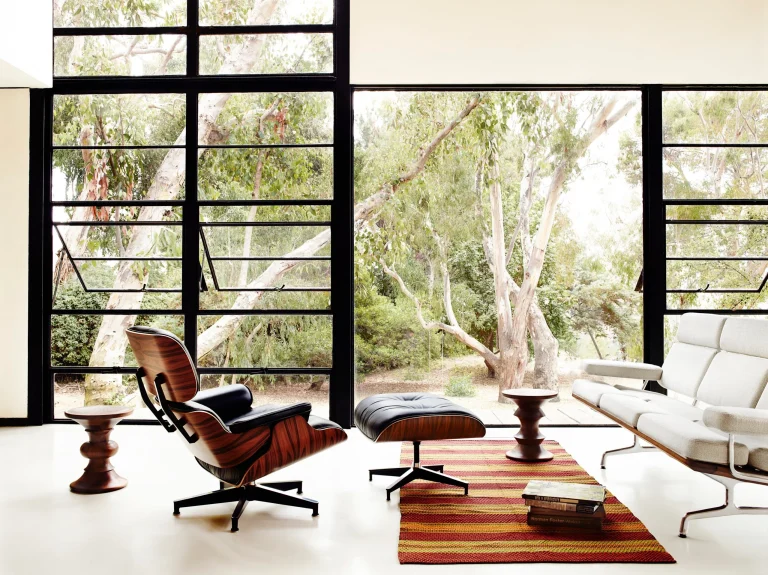
The Mid-Century Modern (MCM) movement, which gained prominence in the United States between 1945 and 1969, fundamentally redefined residential furniture. At its core, this design era sought to marry mass-production technology with a high level of craftsmanship, prioritizing “honesty in materials” and an organic-meets-geometric aesthetic. When applied to the bedroom, these principles manifested in sleeping platforms that rejected the heavy, ornate carvings of the Victorian and Edwardian eras in favor of visual lightness, structural transparency, and functional simplicity.
Understanding the technical attributes and logistical requirements of this furniture type is essential for successful interior planning. This guide provides a neutral, detailed overview of the various categories of MCM bed frames, the mechanical differences in their construction, and the practicalities of long-term management. Readers will learn how to evaluate material quality—specifically regarding wood veneers and joinery—plan for budgetary needs, and implement maintenance protocols to preserve the structural and aesthetic integrity of the frame over time.
Overview of the Mid-Century Modern Bed Frame
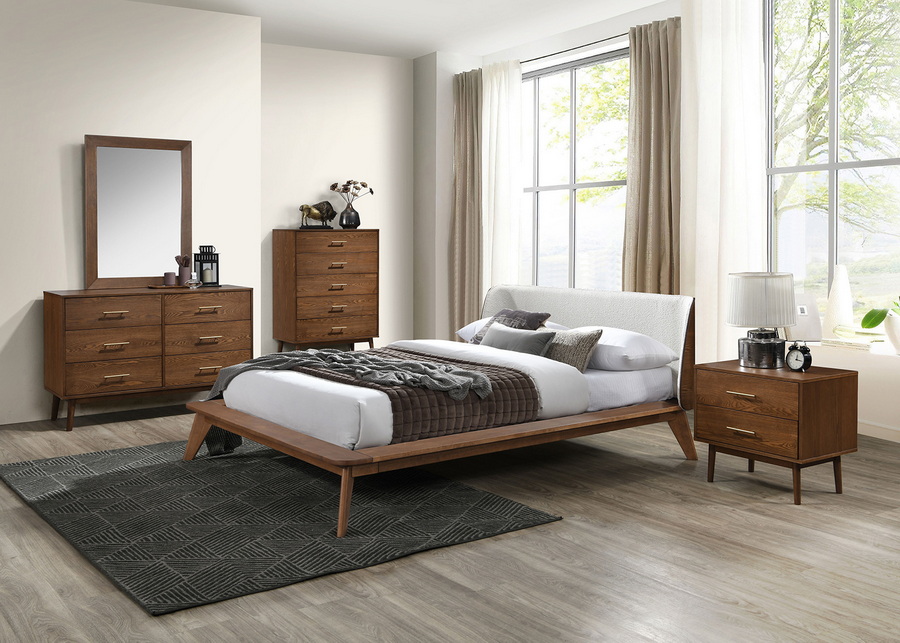
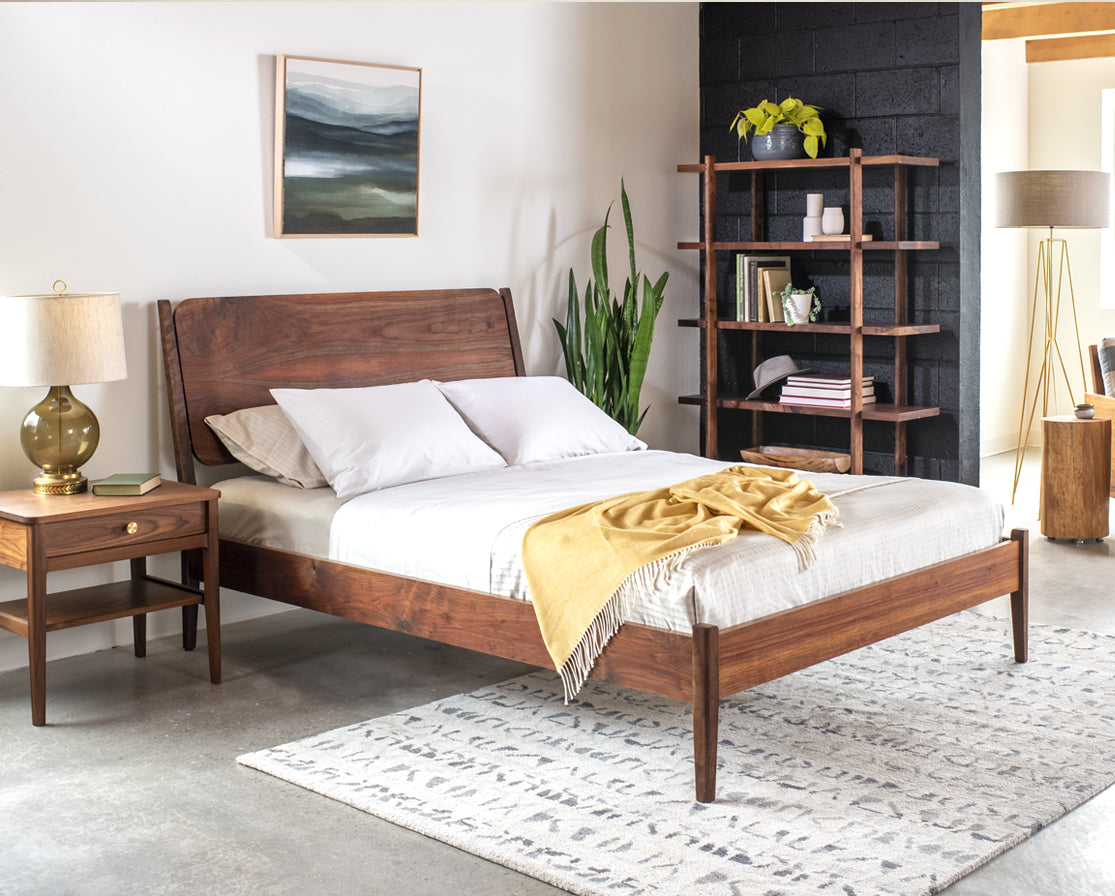
The core concept of a mid century modern bed frame is the “platform” design. Historically, beds utilized bulky box springs that required deep, heavy rails. MCM designers shifted toward a slatted or solid platform system that allowed the mattress to sit lower to the ground. This transition served to maintain unobstructed sightlines across a room, a key tenet of mid-century architecture which emphasized an open, airy feeling. The most recognizable features of these frames include tapered “peg” legs, angled headboards, and the extensive use of warm-toned hardwoods like walnut, teak, and oak.
People commonly approach this style to create a “grounded” sleeping environment that feels both sophisticated and minimalist. Typical expectations include high durability from solid wood components and a design that is easy to move (mobility), as MCM furniture often features “knock-down” (KD) hardware for easy disassembly. The outcome of a successful MCM bedroom plan is a space that emphasizes the natural grain patterns of the wood and provides a sculptural quality to the room’s largest piece of furniture.
Key Categories and Design Variations
Mid-century modern bed frames are categorized primarily by their headboard design and the materials used for the structural chassis.
Design Category Comparison Table
| Category / Type | Description | Common Use Case | Effort / Cost Level |
| Spindle / Windsor | Features a series of vertical wooden dowels in the headboard. | Small rooms requiring high visual transparency. | Moderate |
| Solid Panel | A single, continuous piece of wood or veneer showing grain. | Master suites where the wood is a focal point. | Moderate to High |
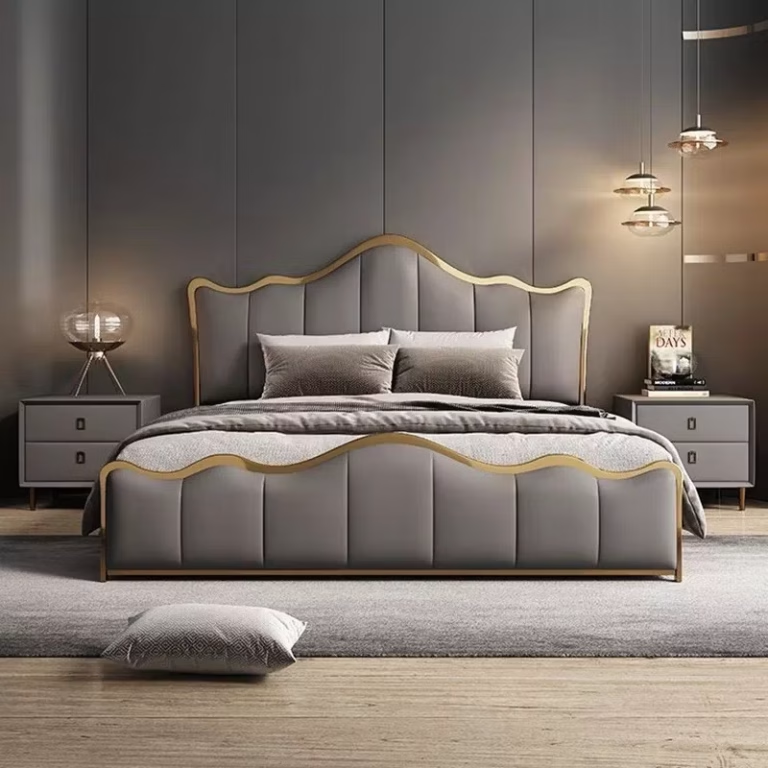
| Upholstered / Fabric | Padded headboards wrapped in wool, linen, or tweed. | Adding “softness” or acoustic dampening to a room. | Moderate |
| Cane / Rattan | Woven natural fibers set into a wooden frame. | “Boho-modern” or transitional aesthetics. | High (due to fragility) |
| Integrated Nightstand | A wide headboard with built-in floating side tables. | Large walls; hotels; high-end custom builds. | Very High |
Choosing between these categories requires an assessment of the room’s dimensions and the user’s tactile preferences. For instance, spindle headboards allow light and air to pass through, making them ideal for smaller bedrooms. In contrast, integrated nightstand models require a significant amount of wall space and a permanent furniture layout but offer a cohesive, “monolithic” look characteristic of high-end mid-century architecture.
Practical Scenarios or Thematic Applications

Scenario 1: The Minimalist Urban Apartment
In urban environments where space is at a premium, the furniture must provide a sense of openness.
-
Components: Tapered legs, a low-profile platform, and a spindle headboard.
-
Steps: Position the bed away from the window to allow light to hit the tapered legs; use a mattress with a height of 10 inches or less to maintain the low profile.
-
Relevance: This scenario utilizes the frame’s ability to show more floor space, which psychologically expands the perceived size of a small room.
Scenario 2: The Restoration of a 1950s Ranch Home
Focuses on historical accuracy and the use of “period-correct” materials to match the home’s original architectural features.
-
Components: Solid walnut frame, angled headboard, and matching wood grain on side rails.
-
Steps: Ensure the wood stain matches existing clerestory window trim; utilize a slat system that removes the need for a box spring.
-
Relevance: This demonstrates the “organic modernism” approach, where the bed frame acts as an extension of the home’s structural wood elements.
Scenario 3: The Multi-Functional Guest Room
Prioritizes ease of cleaning and a “neutral” aesthetic that accommodates various guest needs.
-
Components: Upholstered headboard in a neutral tweed and splayed metal legs.
-
Steps: Select a fabric with a high rub-count for durability; ensure the under-bed clearance is at least 6 inches for vacuum access.
-
Relevance: This application balances the warmth of MCM design with the practicalities of hospitality, such as acoustic dampening provided by the fabric.
Comparison: Scenario 1 focuses on spatial efficiency; Scenario 2 on architectural heritage; Scenario 3 on hospitality and maintenance. Readers should select a frame based on whether they prioritize visual impact (Scenario 2) or functional utility (Scenario 1).
Planning, Cost, and Resource Considerations
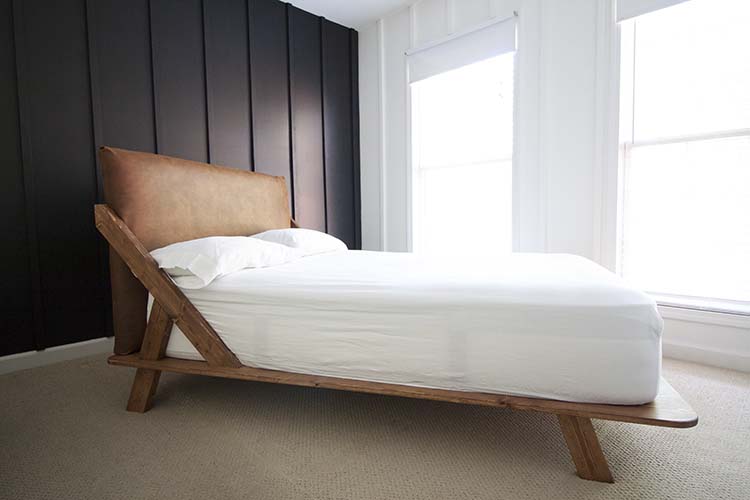
Preparation is vital because a mid century modern bed frame often lacks the “forgiveness” of traditional upholstered beds; because the structural joints are often visible, they must be planned with precision.
Sample Planning & Budget Table
| Category | Estimated Amount | Explanation | Optimization Tips |
| Solid Wood Frame | $800 – $2,500 | Cost of kiln-dried walnut or oak and high-end joinery. | Select rubberwood or acacia for a similar look at a lower cost. |
| Upholstery/Cane | $600 – $1,800 | Includes the labor of weaving or fabric wrapping. | Choose polyester blends over wool for better stain resistance. |
| Platform Slats | $100 – $300 | Plywood or solid pine slats for mattress support. | Ensure slats are spaced no more than 3 inches apart. |
| Assembly/Labor | $150 – $300 | Professional assembly of KD hardware and leveling. | Follow “bolt-tighten” protocols 30 days after first use. |
Note: Figures are illustrative examples and will vary based on regional markets and wood rarity.
Strategies, Tools, and Support Options
Successful long-term use of an MCM bed frame relies on understanding the mechanical strategies used in its construction.
-
-
Euro-Slat Systems: Arched wooden slats that provide a slight “spring” effect.
-
Advantages: Enhances mattress comfort; allows for airflow.
-
Disadvantages: Individual slats can lose tension or snap over time.
-
-
Mitered Joinery: Joining the side rails to the footboard at a 45-degree angle.
-
Advantages: Creates a seamless, high-end furniture look.
-
Disadvantages: Prone to “gapping” if the wood expands or contracts significantly.
-
-
Tapered Leg Brackets: Metal plates that secure the legs at a slight outward angle (splayed).
-
Advantages: Provides the characteristic MCM silhouette.
-
Disadvantages: Increases the leverage on the bolt, requiring frequent tightening.
-
-
Center Support Rails: A vertical leg located under the center of the bed.
-
Advantages: Prevents the mattress from sagging; essential for King and Queen sizes.
-
Disadvantages: Can be a “trip hazard” or obstruct under-bed storage.
-
-
Safety, Risks, and Common Challenges
-
Joint Creaking: MCM frames often use metal-on-wood “cam locks” or “bolt-and-nut” systems. Issue: Movement can cause the hardware to rub against the wood, creating noise. Mitigation: Apply a thin layer of paraffin wax or specialized furniture lubricant to the contact points.
-
Mattress Sliding: Because MCM beds often lack high footboards, the mattress may shift. Risk: Potential for misalignment or discomfort. Mitigation: Use non-slip rubber padding between the slats and the mattress.
-
Slat Failure: Using a modern, heavy “bed-in-a-box” (high-density foam) on old or widely spaced slats. Issue: The mattress can sag or the slats can break. Prevention: Ensure the slat gap is 3 inches or less for foam mattresses.
-
Tipping/Stability: Splayed legs can be less stable on high-pile carpeting than vertical legs. Prevention: Use “furniture coasters” or choose a frame with a lower center of gravity.
Maintenance, Best Practices, and Long-Term Management
Preserving a mid century modern bed frame requires specific care for natural wood and specialized fasteners.
-
The “Bolt-Tighten” Routine: * Monthly: Check the tension of the four corner bolts. MCM designs rely on thin profiles, meaning the joints carry significant stress.
-
Wood Hydration: * Quarterly: Apply a high-quality furniture oil (teak or Danish oil) to solid wood components. This prevents the wood from drying out and cracking in climate-controlled environments.
-
Slat Inspection: * Annually: Remove the mattress and inspect the slats for “checking” (small cracks) or bowing. Replace any slats that show structural fatigue.
-
Cleaning Best Practices: * Use a soft microfiber cloth; avoid silicone-based sprays which can create a “cloudy” buildup on walnut veneers.
Documentation and Reporting
For high-value or vintage MCM pieces, documenting the provenance and care history is essential for insurance and resale.
Tips for Organizing Information:
-
Keep a “Hardware Log”: Note the hex-key or wrench size required for the bolts so it is readily available for tightening.
-
Store the “Finish Specification”: Know if the bed is finished in lacquer, oil, or wax to ensure you use the correct maintenance product.
Illustrative Examples:
-
Insurance Management: A homeowner records the manufacturer’s stamp found on the interior rail, ensuring the replacement value is based on an authentic designer piece rather than a generic imitation.
-
Restoration History: A collector documents the specific brand of oil used to treat the teak headboard, ensuring a consistent color match for future maintenance.
FAQ
Q: Do I need a box spring with a mid-century modern bed frame? A: Generally, no. Most are designed as “platform beds” with built-in slats. Adding a box spring will often raise the mattress too high, obscuring the headboard and ruining the low-profile MCM aesthetic.
Q: Why are tapered legs so common in this style? A: Tapered legs create a sense of “upward movement” and visual lightness. By keeping the bulk of the furniture off the floor, the design emphasizes the floor plane and makes a room feel more expansive.
Q: Can I use a heavy memory foam mattress on an MCM frame? A: Yes, provided the center support rail is present and the slats are strong. Memory foam is significantly heavier than traditional innerspring mattresses, so structural integrity is paramount.
Closing Summary
The mid century modern bed frame is an intersection of architectural theory and domestic utility. By prioritizing the “honesty of materials”—the warmth of walnut or the texture of woven cane—and utilizing a low-profile platform design, this style creates a sleeping environment that is both visually airy and structurally robust. Success in owning such a piece relies on a strategic balance of proper mattress selection, regular mechanical maintenance of the fasteners, and a commitment to protecting the natural wood finishes that define the MCM era.