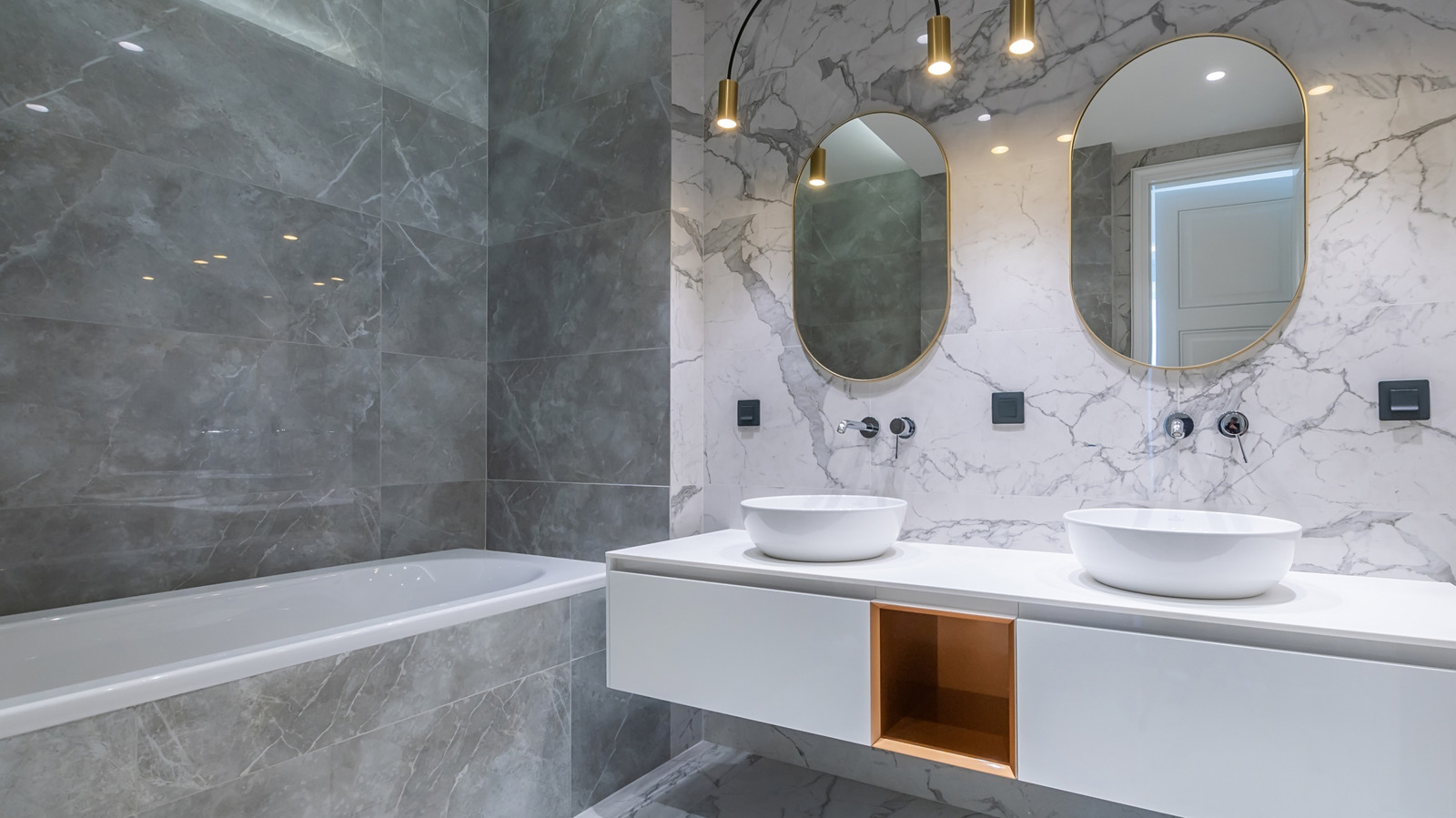
Marble Bathroom Countertops: A Technical and Practical Educational Guide
The Comprehensive Guide to Marble Bathroom Countertops
Marble is a metamorphic rock that forms when sedimentary limestone is subjected to tectonic heat and intense pressure. This geological process causes the original carbonate minerals to recrystallize into an interlocking mosaic of calcite or dolomite crystals. In the context of interior architecture, marble is quarried and processed into slabs characterized by distinctive veining and a high degree of luminosity. Because it is a natural product of Earth’s history, no two slabs are identical, providing a surface that is both geologically unique and structurally permanent.
Understanding the technical attributes and maintenance requirements of this material is essential for successful bathroom design. This guide provides a neutral, detailed overview of how marble surfaces are selected, installed, and managed over time. Readers will gain insight into the physical properties of the stone, the logistical considerations of the fabrication process, and the specific chemical vulnerabilities that define its long-term care in high-moisture environments.
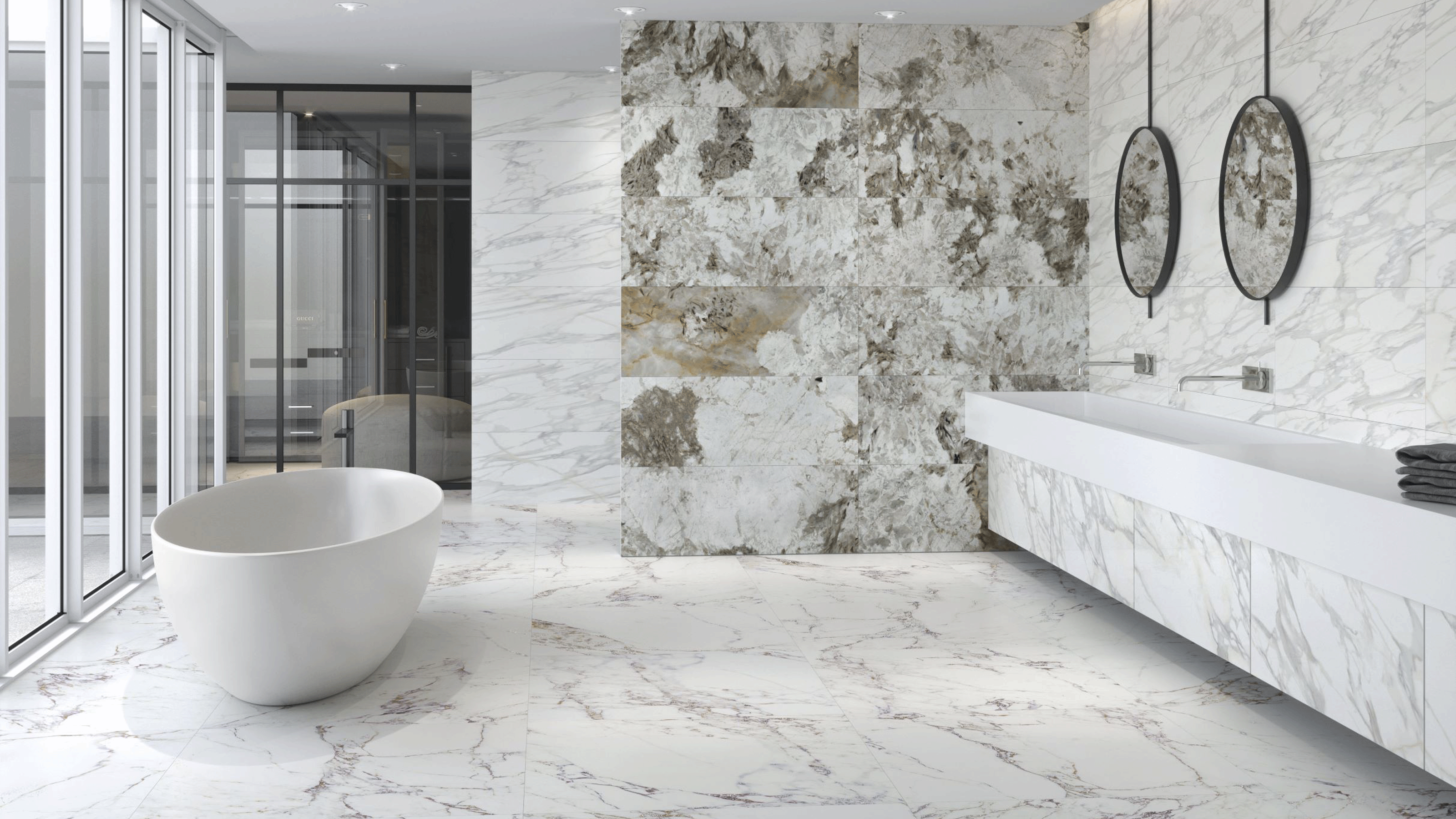
Overview of Marble Bathroom Countertops
The core concept of marble bathroom countertops involves utilizing a relatively soft, carbonate-based natural stone for horizontal work surfaces. Chemically, marble is primarily calcium carbonate, which gives it a cool surface temperature and a characteristic translucency. While marble is often utilized in kitchens, its properties are uniquely suited for bathrooms where it is less likely to encounter the high heat and acidic food substances found in culinary environments.
People commonly approach marble when seeking a bright, serene aesthetic that enhances the natural lighting of a space. Typical goals include achieving a classic architectural look and utilizing a material that can be easily shaped into custom edge profiles or integrated basins. The expected outcome is a high-value, durable surface that requires a disciplined sealing regimen to protect against moisture absorption and chemical “etching” from cosmetic products or cleaning agents.
Key Categories and Geological Variations
Marble is categorized by its origin, base color, and the intensity of its mineral inclusions. These distinctions impact both the visual outcome and the stone’s porosity.
Material Category Comparison Table
| Category / Type | Description | Common Use Case | Effort / Cost Level |
| Carrara | Soft, blue-gray veining on a grayish-white background. | Standard master baths; guest vanities. | Moderate |
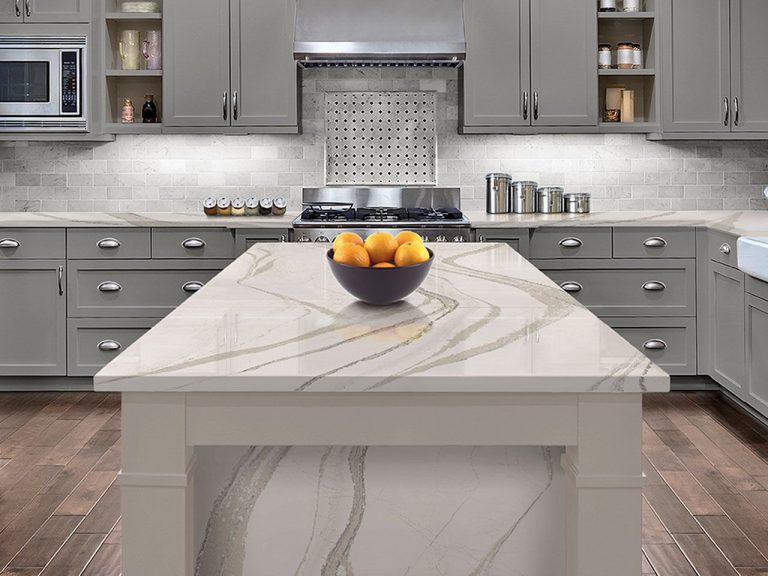
| Calacatta | Dramatic, thick veins on a bright white background. | Luxury focal points; high-end custom suites. | Very High |
| Crema Marfil | Beige or yellowish tones with subtle, irregular veining. | Traditional designs; warm-toned interiors. | Moderate |
| Statuary | Semi-translucent white base with distinct, heavy gray veins. | High-end furniture-style vanities. | High |
| Danby | Sourced from Vermont, USA; geologically denser than European marble. | High-traffic bathrooms; low-absorption needs. | Moderate to High |
Choosing between these categories involves a trade-off between visual impact and density. For instance, Vermont Danby is often preferred in high-moisture areas because its absorption rate is lower than that of many Italian varieties, making it slightly more resistant to water staining over time.
Practical Scenarios or Thematic Applications

Scenario 1: The High-Traffic Family Master Suite
In a shared bathroom used daily for grooming, the surface must endure frequent exposure to water, toothpaste, and soaps.
-
Components: 3cm thick slabs, eased edges to prevent chipping, and undermount porcelain sinks.
-
Steps: Selection of a “honed” (matte) finish, application of a high-grade impregnating sealer, and installation on reinforced cabinetry.
-
Relevance: A honed finish is critical here, as it minimizes the visibility of “etching” caused by the acidic pH found in some toiletries.
Scenario 2: The Formal Powder Room
In a low-traffic environment where the primary goal is visual elegance, a polished finish is often preferred.
-
Components: 2cm slabs with mitered “apron” edges, vessel sinks, and matching marble backsplashes.
-
Steps: Precision digital templating, specialized cutting for faucet mounts, and secure wall anchoring.
-
Relevance: This scenario highlights marble’s aesthetic potential, where the stone’s reflective properties can be utilized without the constant risk of heavy mechanical wear.
Scenario 3: The Integrated Spa-Inspired Design
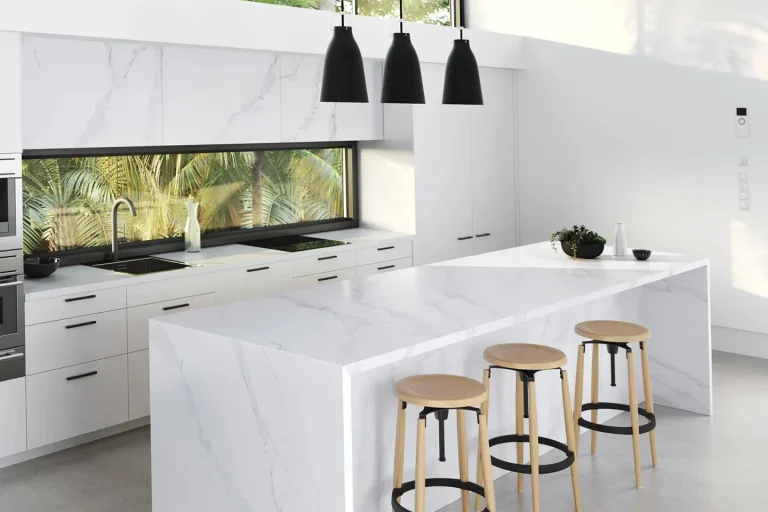
Utilizes the stone for more than just the counter, extending it into the shower and walls for a monolithic look.
-
Components: Extra-large slabs for minimal seaming, matching floor tiles, and coved transitions.
-
Steps: Color-matching lot numbers across different stone formats, waterproof membrane installation, and epoxy seaming.
-
Relevance: This application demonstrates marble’s versatility as a holistic architectural finish that creates a unified, serene atmosphere.
Comparison: Scenario 1 focuses on durability and camouflaging daily use; Scenario 2 prioritizes high-shine aesthetics; Scenario 3 emphasizes large-scale architectural cohesion. Readers should select their stone variety and finish based on the expected volume of use and the environmental lighting.
Planning, Cost, and Resource Considerations
Preparation is critical because marble is geologically fragile until it is fully supported by cabinetry. Accurate budgeting must account for the raw material and the skilled labor required for specialized finishes.
Sample Planning & Budget Table
| Category | Estimated Amount / Effort | Explanation | Optimization Tips |
| Material (Slabs) | $60 – $200 per sq. ft. | Cost depends on rarity and vein pattern complexity. | Use “remnants” for small vanities under 48 inches. |
| Fabrication | $30 – $60 per linear ft. | Includes cutting, sink cutouts, and edge polishing. | Opt for a simple “eased” edge to save on labor. |
| Structural Prep | $200 – $500 | Ensuring cabinets can support 15–20 lbs per sq. ft. | Ensure cabinets are level within 1/16-inch. |
| Installation | $400 – $1,000 | Delivery and professional placement with seaming. | Ensure clear access to the second floor if applicable. |
Note: Figures are illustrative examples and will vary based on regional labor rates and stone rarity.
Strategies, Tools, and Support Options

The successful implementation of marble bathroom countertops relies on specific professional tools and support strategies.
-
Impregnating Sealers: Unlike topical coatings, these penetrate the mineral pores.
-
Advantages: Provides a window of time to clean spills before they stain.
-
Disadvantages: Does not prevent surface “etching” from acids.
-
-
Mitered Apron Edges: Joining a vertical piece of stone to the counter at a 45-degree angle.
-
Advantages: Makes a standard slab appear significantly thicker.
-
Disadvantages: The sharp joint is more susceptible to impact chipping.
-
-
Undermount Sink Clips: Specialized hardware that secures the sink to the underside of the stone.
-
Advantages: Creates a seamless look that is easy to wipe clean.
-
Disadvantages: Requires professional-grade epoxy to ensure the sink does not detach over time.
-
-
Honed Finishing: Mechanically sanding the stone to a matte surface.
-
Advantages: Effectively hides water spots and dull etch marks.
-
Disadvantages: Makes the stone slightly more susceptible to oil absorption.
-
Safety, Risks, and Common Challenges
-
Chemical Etching: Any acidic substance (vinegar-based cleaners, lemon-scented soaps) will chemically dissolve the surface of the marble. Prevention: Use only pH-neutral cleaners specifically labeled for stone.
-
Absorption Staining: Dark liquids (hair dye, makeup, colorful soaps) can seep into the pores. Prevention: Blot spills immediately; do not wipe, as wiping spreads the liquid.
-
Structural Fissures: Natural marble often contains fissures that can snap if the stone is handled incorrectly during transport. Prevention: Use professional fabricators with specialized A-frame transport equipment.
-
Weight Management: Marble is heavy and rigid. Prevention: Cabinets must be inspected for structural integrity; never stand on the countertops to reach high lighting.
Maintenance, Best Practices, and Long-Term Management
The longevity of marble is determined by the transition from seeing it as a “perfect” surface to seeing it as an evolving natural material.
-
Daily Best Practices:
-
Use a microfiber cloth with warm water and a dedicated stone soap.
-
Avoid abrasive “scrubbing” pads which can create micro-scratches.
-
Dry the surface after use to prevent mineral buildup from hard water.
-
-
Long-Term Checklist:
-
Resealing: Perform the “water test” every 6 months; if water no longer beads, reapply sealer.
-
Caulk Inspection: Check the silicone at the sink and backsplash annually to prevent water from reaching the cabinetry.
-
pH Neutrality: Ensure all household cleaning agents used near the marble are pH-neutral.
-
Documentation and Reporting
For luxury builds, keeping a record of the specific quarry lot is standard for future repairs or extensions.
Tips for Organizing Information:
-
Save a digital copy of the final CAD template used by the fabricator.
-
Retain the name and manufacturer of the sealer used to ensure future compatibility.
Illustrative Examples:
-
Warranty Management: A homeowner saves the specific care guide provided by the stone yard, ensuring they do not use a prohibited chemical that would void their service agreement.
-
Repair Readiness: A facility manager for a boutique hotel keeps a small remnant of the original slab; if a chip occurs, a technician can use the remnant to create a color-matched epoxy filler.
FAQ
Q: Will marble countertops be ruined by water? A: No, water will not ruin marble, but standing water can cause temporary darkening or leave mineral deposits. Proper sealing and drying after use mitigate these issues.
Q: Can I use vinegar to clean my marble? A: No. Vinegar is acidic and will cause immediate “etching” or dull spots on the stone’s surface.
Q: Why does my marble feel cooler than my floor? A: Marble has high thermal mass and is an excellent conductor of heat, which allows it to pull heat away from the skin, creating a cooling sensation.
Closing Summary
Marble bathroom countertops represent a permanent architectural investment that provides a unique blend of geological history and aesthetic luminosity. While the material requires a higher level of maintenance regarding chemical exposure and moisture than synthetic alternatives, its heat resistance and natural beauty remain unmatched. Through proper selection of finishes, diligent sealing, and a commitment to pH-neutral maintenance, marble can function as a durable and high-performing focal point of interior design for decades.