Luna Pearl Granite Guide: Geological Properties, Costs, and Care
The Comprehensive Guide to Luna Pearl Granite
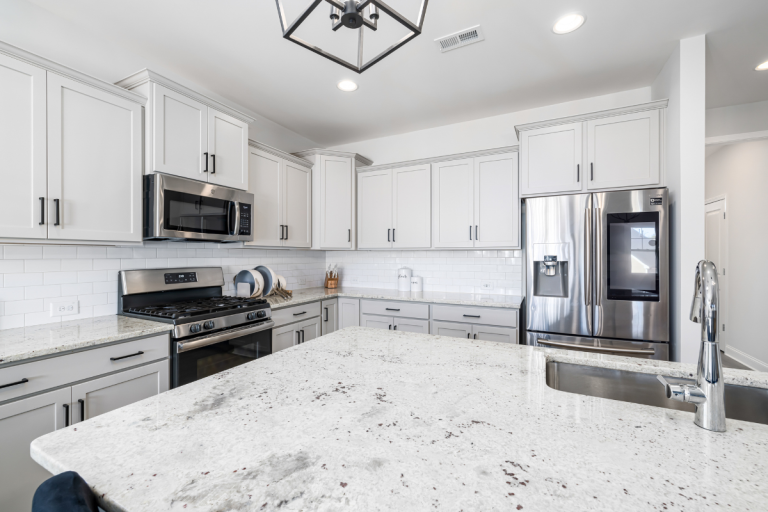
Luna Pearl granite, also known internationally as Bianco Sardo, is a specific variety of intrusive igneous rock characterized by its remarkably consistent speckled pattern. Quarried primarily in Italy (specifically Sardinia), this stone is composed of a tightly interlocking crystalline structure of quartz, feldspar, and biotite mica. Because of its geological formation—cooling slowly deep beneath the Earth’s surface—it possesses a high level of density and compressive strength, making it one of the most reliable natural stones for architectural surfaces.
Understanding the technical attributes and logistical requirements of this material is essential for anyone considering its use in residential or commercial projects. This guide provides a neutral, detailed overview of the mineral properties, aesthetic variations, and practical management of this stone. Readers will learn about the fabrication process, budgetary planning, and the specific maintenance protocols required to preserve the structural and visual integrity of the material over several decades.
Overview of Luna Pearl Granite
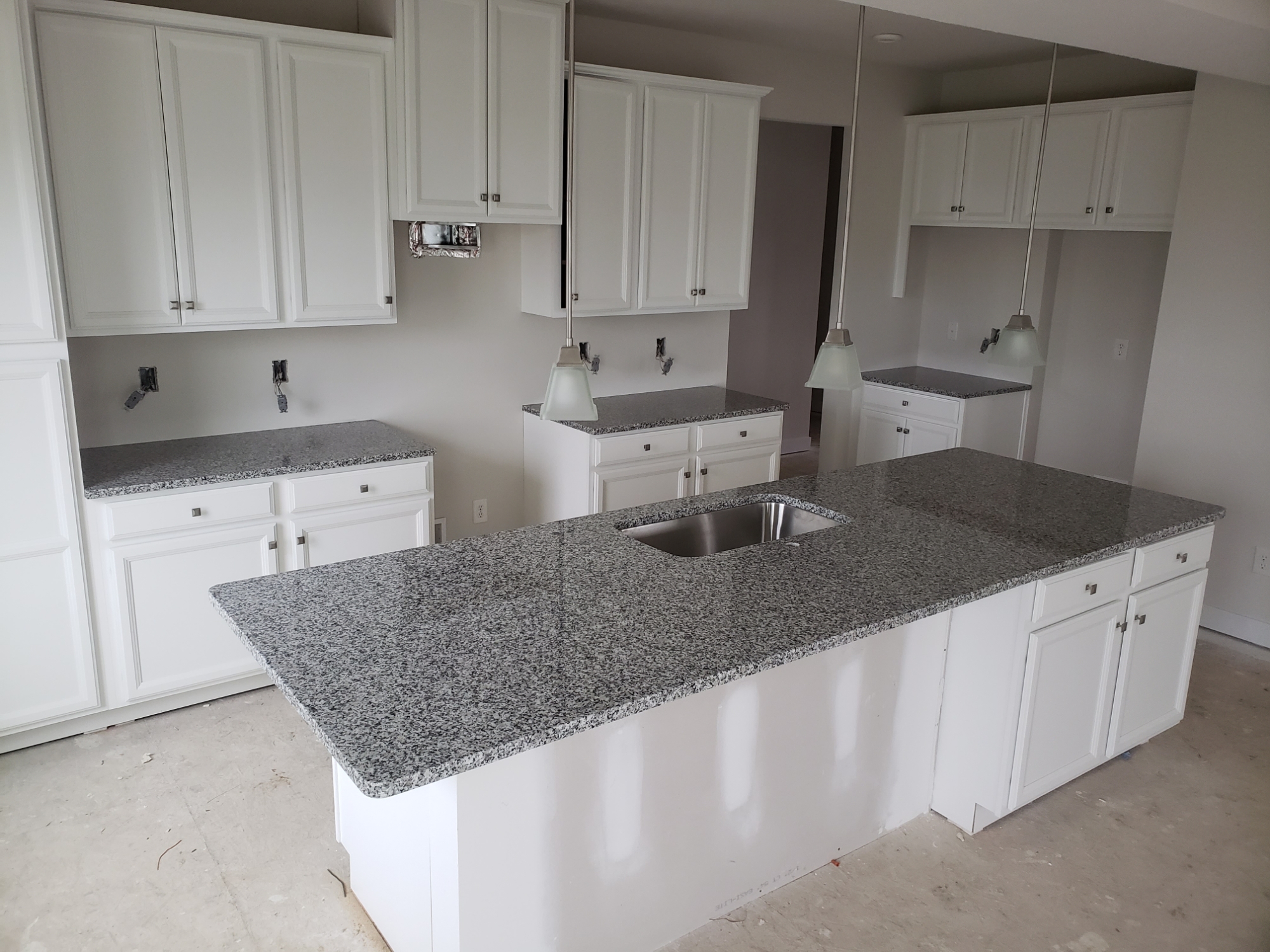
The core concept of luna pearl granite is its “salt and pepper” appearance, which is the result of a very specific mineral balance. The white and light grey areas are primarily plagioclase feldspar and quartz, while the darker speckles consist of black biotite or hornblende. Unlike “veined” stones that feature long, sweeping lines of color, Luna Pearl is prized for its uniformity. This consistency makes it an “industrial standard” in the stone world, as multiple slabs from the same quarry often match more closely than other, more erratic granite varieties.
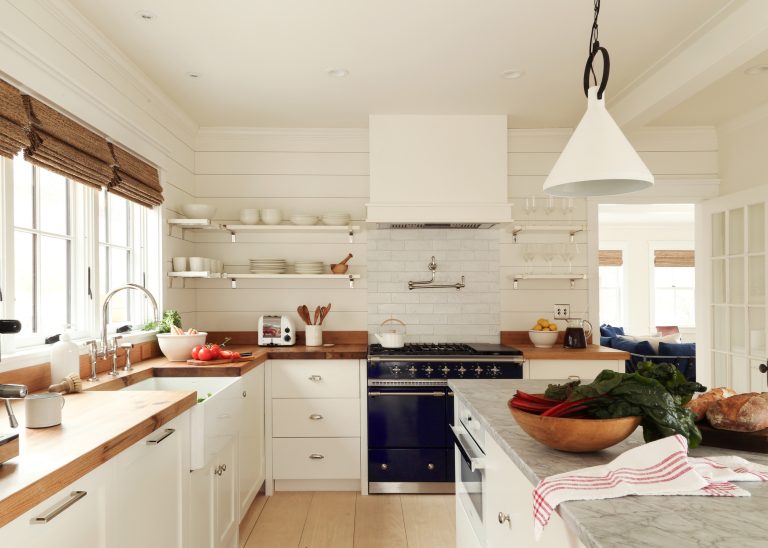
People commonly approach this stone when they require a neutral, bright surface that offers high durability at a relatively accessible price point. The typical goal is to achieve a clean, sophisticated look that camouflages small debris and resists the heavy mechanical use common in kitchens and bathrooms. The expected outcome is a permanent, heat-resistant surface that provides a stable workspace without the high chemical sensitivity associated with marble or limestone.
Key Categories and Aesthetic Variations
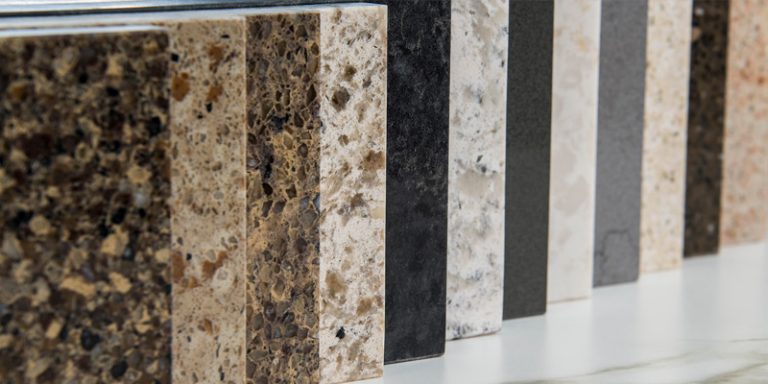
While Luna Pearl is known for its consistency, subtle variations occur based on the specific section of the quarry and the finishing method applied to the surface.
Material Category Table
| Category / Type | Description | Common Use Case | Effort / Cost Level |
| Polished Finish | High-gloss, reflective surface that darkens the mineral colors. | Primary kitchen countertops; luxury vanities. | Moderate |
| Honed Finish | Matte, non-reflective surface with a smooth, “satin” feel. | Modern minimalist interiors; flooring. | Moderate to High |
| Leathered Finish | Textured, dimpled surface that hides fingerprints and smudges. | Outdoor kitchens; rustic residential designs. | High |
| Standard Grade | Common mineral distribution with occasional small “beauty marks.” | Large-scale apartment or commercial projects. | Low to Moderate |
| Premium Grade | Near-perfect uniformity in grain size and color across the slab. | High-end custom homes and focal islands. | Moderate |
Choosing between these categories depends on the lighting of the environment and the intended tactile experience. A polished finish is the most common as it highlights the “pearl” qualities of the quartz, while a honed or leathered finish is often chosen for areas where the user wishes to minimize the glare from overhead task lighting.
Practical Scenarios or Thematic Applications
Scenario 1: The High-Volume Family Kitchen
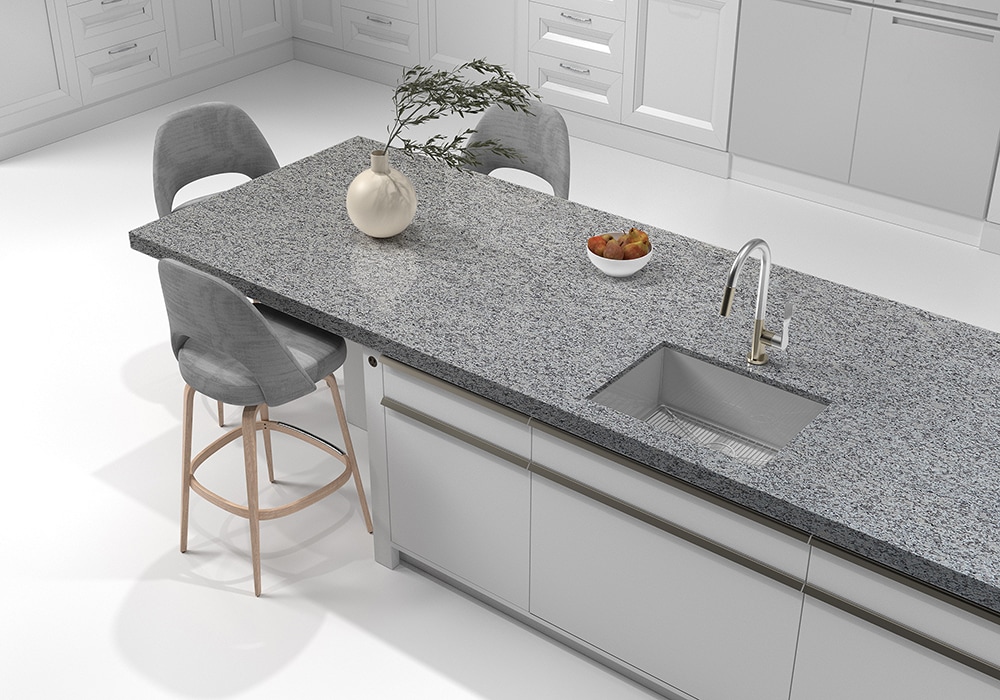
In a household with frequent food preparation and social activity, the countertop must endure impact and various food-based acids.
-
Components: 3cm thick slabs, eased edge profiles, and undermount stainless steel sinks.
-
Steps: Selection of slabs with consistent grain, cabinet reinforcement, and application of a professional-grade sealer.
-
Relevance: Luna pearl granite is particularly effective here because its intricate pattern is excellent at concealing crumbs, water spots, and minor surface dust between cleanings.
Scenario 2: Commercial Multi-Unit Housing
Developers of apartment complexes often choose this stone for its predictability and durability across hundreds of units.
-
Components: 2cm slabs with plywood sub-tops, standardized prefabricated sizes, and 4-inch backsplashes.
-
Steps: Bulk ordering from a single quarry “lot,” rapid CNC fabrication, and standardized installation templates.
-
Relevance: The uniformity of the stone ensures that every unit looks identical, simplifying the replacement of a single section if damage occurs in one unit.
Scenario 3: The Outdoor Utility or Grilling Station
Granite is one of the few materials that can withstand UV exposure and temperature fluctuations without warping or fading.
-
Components: Honed or leathered finish, extra-thick edge profiles, and weatherproof support frames.
-
Steps: Ensuring iron-free mineral content to prevent rust, choosing UV-stable adhesives, and installing with a slight pitch.
-
Relevance: This scenario highlights the stone’s geological resilience; it will not “yellow” in the sun like resin-based quartz or scratch like stainless steel.
Comparison: Scenario 1 focuses on daily residential utility; Scenario 2 prioritizes logistical consistency; Scenario 3 emphasizes environmental durability. Most readers will find that Luna Pearl suits all three, but the “Leathered” finish is specifically suited for the outdoor scenario.
Planning, Cost, and Resource Considerations
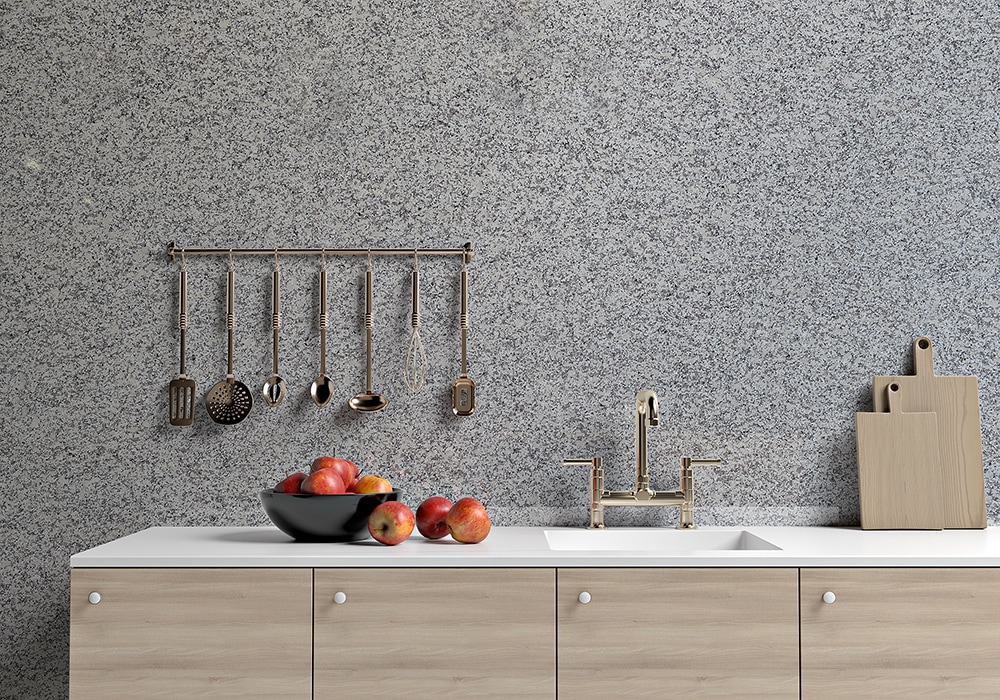
Preparation is critical because natural stone is rigid and heavy. Planning must account for the structural integrity of the cabinetry and the logistical path from the delivery truck to the installation site.
Sample Budget Table
| Category | Estimated Amount / Effort | Explanation | Optimization Tips |
| Material (Slabs) | $35 – $55 per sq. ft. | One of the most affordable 3cm granite options. | Purchase from a local wholesaler to save on freight. |
| Templating | 2–4 Hours | Professional digital or physical measurement. | Finalize all cabinet positions before templating. |
| Fabrication | $15 – $35 per linear ft. | Cutting, edge profiling, and sink cutouts. | Select an “Eased” edge to minimize labor costs. |
| Installation | $400 – $1,200 | Specialized labor for delivery and secure seaming. | Clear all furniture from the delivery path. |
Note: Figures are illustrative examples based on market trends and will fluctuate based on region and project complexity.
Strategies, Tools, and Support Options
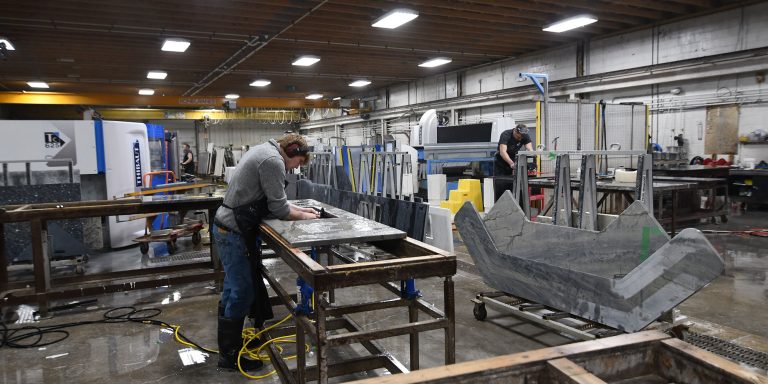
The successful implementation of luna pearl granite relies on specialized industrial strategies to manage weight and ensure a seamless appearance.
-
CNC Waterjet Cutting: A computer-controlled strategy for cutting stone using high-pressure water and abrasives.
-
Advantages: Extreme precision for sink cutouts and complex curves.
-
Disadvantages: Higher shop overhead costs.
-
-
Epoxy Seaming: Joining two slabs using a color-matched resin that bonds the stone chemically.
-
Advantages: Creates a structurally sound, nearly invisible joint.
-
Disadvantages: Requires high artisan skill to match the speckled pattern at the seam.
-
-
Impregnating Sealers: Chemical barriers that penetrate below the stone’s surface.
-
Advantages: Effectively clogs pores to prevent deep staining without changing the stone’s appearance.
-
Disadvantages: Requires periodic reapplication (every 1–3 years).
-
-
Steel Bracketing: Reinforcing large overhangs (like breakfast bars) with hidden steel plates.
-
Advantages: Provides safety for overhangs exceeding 10 inches without visible “legs.”
-
Disadvantages: Must be integrated into the cabinetry before the stone is placed.
-
Safety, Risks, and Common Challenges
-
Porosity and Staining: While denser than marble, Luna Pearl is still porous. If not sealed, liquids like red wine or oils can seep into the mineral structure. Prevention: Use the “water test” to check sealer integrity annually.
-
Fissures vs. Cracks: Granite naturally contains “fissures”—tiny separations between mineral crystals. While these are not structural defects, they can be mistaken for cracks. Prevention: Inspect slabs under bright light before fabrication.
-
Weight Stress: This stone weighs approximately 18–20 pounds per square foot. Prevention: Ensure base cabinets are level and structurally sound to avoid bowing.
-
Radon Mitigation: Like all earth-mined products, granite can emit trace amounts of radon. Prevention: While levels are typically negligible, source stone from reputable suppliers who provide material safety data.
Maintenance, Best Practices, and Long-Term Management
The long-term integrity of the stone is maintained through a disciplined but simple cleaning routine.
-
The Daily Routine: Wipe surfaces with a soft cloth and a pH-neutral cleaner. Avoid “all-purpose” sprays containing vinegar, lemon, or bleach, which can strip away the sealer.
-
Impact Awareness: Avoid dropping heavy objects like cast-iron pans on the edges, as the crystalline structure can chip under direct mechanical force.
-
Heat Best Practice: While granite is heat-resistant, avoid “thermal shock” (placing a frozen item and then a boiling pot on the same spot), which can cause stress fractures.
-
The Sealing Checklist: Perform a “water test” every six months. If water no longer beads on the surface and starts to soak in, it is time to reseal.
Documentation and Reporting
For custom builds or facility management, documenting the stone’s origin is standard practice.
Tips for Organizing Information:
-
Store a record of the “Lot Number” and “Quarry Name” for future color matching if an extension is built.
-
Maintain a log of when the stone was last sealed and which product was used.
Illustrative Examples:
-
Repair Readiness: A homeowner keeps a small 12×12 inch remnant piece of the original slab; if a chip occurs years later, a fabricator can use it to create a color-matched repair.
-
Facility Management: A property manager for an office building records the installation date for 50 breakrooms to ensure a standardized maintenance and sealing schedule.
FAQ
Q: Is Luna Pearl granite the same as Bianco Sardo?
A: Yes. These names are often used interchangeably, with Bianco Sardo being the more common name in European markets.
Q: Does this stone require more sealing because it is light-colored?
A: Not necessarily. Porosity is determined by mineral density, not color. However, because it is lighter, stains (if they occur) may be more visible than on black granite.
Q: Can I cut food directly on the granite?
A: While granite is harder than steel and will not scratch easily, cutting on it will dull your knives almost instantly. Using a cutting board is recommended.
Closing Summary
Luna Pearl granite is a robust, heat-resistant, and aesthetically versatile natural stone that has become a staple of modern architectural design. By combining high mineral density with a neutral, consistent pattern, it provides a functional surface that suits a wide variety of residential and commercial applications. Success with this material relies on professional fabrication, structural support for its significant weight, and a commitment to pH-neutral maintenance to ensure the surface remains pristine for decades.