Herman Miller Eames Lounge Chair: Engineering, Design, and Care Guide
The Comprehensive Guide to the Eames Lounge Chair
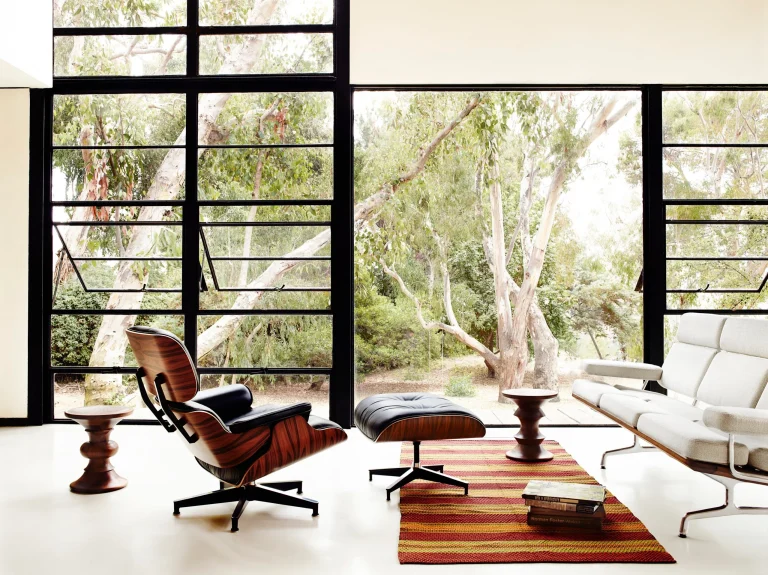
The Eames Lounge Chair and Ottoman, introduced in 1956, represents a significant milestone in the history of industrial design. Developed by the husband-and-wife team Charles and Ray Eames, the chair was the culmination of years of experimentation with molded plywood—a technology originally refined for the production of leg splints and aircraft parts during World War II. The design was intended to modernize the traditional English club chair, replacing heavy, overstuffed upholstery with a system of thin, curved plywood shells and high-grade leather cushions.
Understanding the technical attributes and logistical requirements of this furniture piece is essential for anyone involved in interior planning or furniture preservation. This guide provides a neutral, detailed overview of the chair’s construction, its various material configurations, and the practicalities of long-term management. Readers will learn about the mechanical role of shock mounts, the differences in wood veneer types, and the specific maintenance protocols required to protect the structural integrity and aesthetic value of the herman miller eames lounge chair over several decades.

Overview of the Eames Lounge Chair
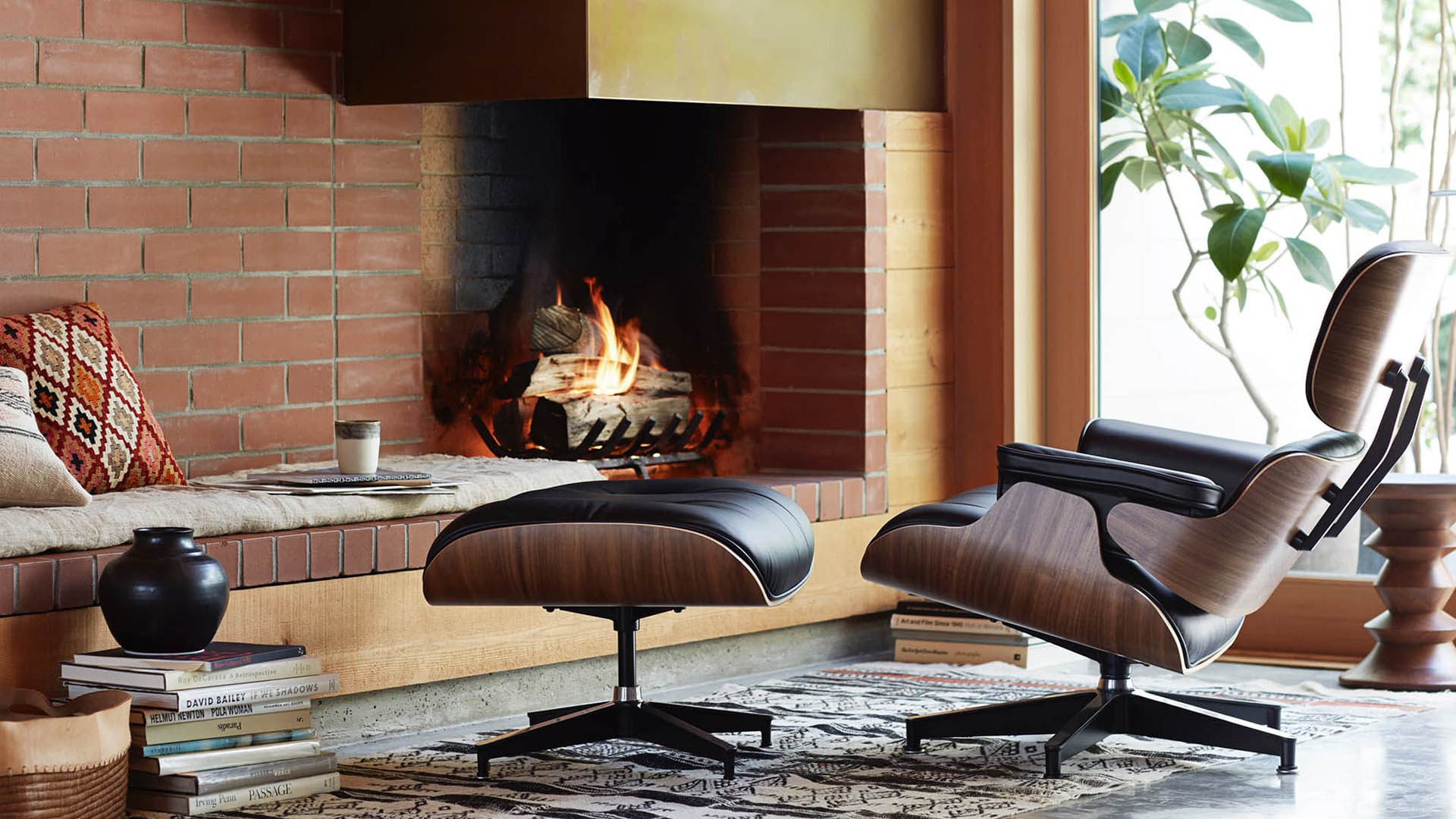
The core concept of the herman miller eames lounge chair is rooted in the “guest-host relationship,” a philosophy where the designer anticipates the physical and psychological needs of the user. Structurally, the chair is composed of three molded plywood shells: the base seat, the lower backrest, and the headrest. These shells are connected by a system of cast aluminum spacers and rubber shock mounts, which allow the chair to flex slightly as the user shifts weight. This “passive ergonomics” approach ensures comfort without the need for mechanical adjustment.
People commonly approach this furniture piece as both a functional seating solution and a sculptural architectural element. Typical goals include creating a dedicated zone for reading or cognitive relaxation. Unlike standard upright furniture, the Eames Lounge Chair is permanently reclined at a 15-degree angle to distribute the sitter’s weight across the backrest, thereby reducing pressure on the lower spine. The expected outcome is a durable, high-performance asset that maintains its structural stability through a combination of industrial-grade adhesives and precision-cast metal components.
Key Categories and Technical Variations
Since its inception, the chair has been available in different sizes and material finishes to accommodate diverse physical requirements and interior themes.
Material and Sizing Category Table
| Category / Type | Description | Common Use Case | Effort / Cost Level |
| Classic Sizing | The original 1956 dimensions; lower to the ground. | Historical restorations; users under 5’9″. | High |
| Tall Sizing | Increased back height and seat depth for modern ergonomics. | Contemporary homes; taller users. | High |
| Walnut Veneer | Warm, brown tones with a prominent natural grain. | Traditional and mid-century interiors. | Moderate |
| Santos Palisander | A sustainable alternative to the original Brazilian Rosewood. | Luxury focal points; high-contrast decor. | Very High |
| Mclaram Leather | High-performance, semi-aniline leather with a consistent grain. | Families; high-traffic residential areas. | Moderate |
Choosing between these categories requires an assessment of the user’s height and the room’s lighting. For example, Santos Palisander features a deep, rich color that requires adequate lighting to be fully appreciated, whereas light-colored leathers paired with White Ash shells are often used to make smaller rooms feel more expansive.
Practical Scenarios or Thematic Applications
Scenario 1: The Dedicated Private Library
In an environment focused on long periods of reading, the chair serves as the primary ergonomic tool.
-
Components: Tall-size chair, Ottoman, and adjustable task lighting.
-
Steps: Position the chair at a 45-degree angle to the bookshelf; ensure a 36-inch clearance for the swivel radius; place a low side table within the primary reach zone.
-
Relevance: This scenario utilizes the chair’s permanent recline to minimize neck strain during prolonged cognitive tasks.
Scenario 2: The Modern Executive Home Office
Functions as a secondary zone for non-desk tasks, such as phone calls or brief rest periods.
-
Components: Classic-size chair in black leather with polished aluminum base.
-
Steps: Align the chair perpendicular to the primary desk; utilize the ottoman as a footrest to encourage blood circulation; coordinate wood veneers with office cabinetry.
-
Relevance: The presence of the herman miller eames lounge chair provides a tactile contrast to modern computer equipment, balancing the “hard” tech with “soft” organic materials.
Scenario 3: The Residential Gallery or Great Room
The chair is positioned as a central sculptural piece in an open-plan environment.
-
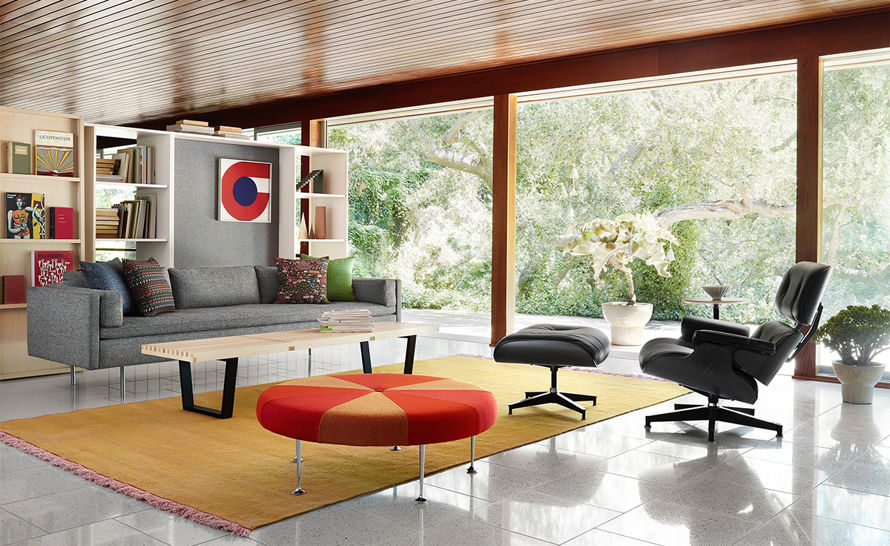
Components: Santos Palisander shells, specialized upholstery, and a minimalist area rug.
-
Steps: Anchor the chair with a rug to define the zone; keep the chair away from direct heat sources (fireplaces/radiators); ensure the path to the chair is free of obstructions.
-
Relevance: This highlights the “360-degree design” of the piece, as the plywood shells are finished on all sides to be viewed from any angle.
Comparison: Scenario 1 focuses on individual ergonomics; Scenario 2 on professional utility; Scenario 3 on aesthetic architectural flow. Readers should choose a size and leather type based on whether the chair is for heavy daily use (Scenario 1) or occasional display (Scenario 3).
Planning, Cost, or Resource Considerations
Preparation is critical because the chair is a high-mass object that requires specific floor conditions and structural awareness.
Sample Planning & Budget Table (Example Figures)
| Category | Estimated Amount | Explanation | Optimization Tips |
| Base Material (Classic) | $6,000 – $7,500 | Cost of molded walnut shells and standard leather. | Select “Standard” leathers to manage costs. |
| Premium Veneers | +$1,000 – $2,000 | Rare woods like Santos Palisander or Ebony. | Use Walnut for a classic look at a lower price. |
| Tall Size Upcharge | +$500 – $800 | Larger shells and additional upholstery material. | Test both sizes in a showroom before purchase. |
| Shipping & Setup | $200 – $500 | White-glove delivery to prevent shell damage. | Ensure the delivery path is at least 32″ wide. |
Note: Figures are illustrative examples based on common market averages and may vary by region and specific dealer.
Strategies, Tools, or Support Options
Maintaining the structural integrity of the chair involves several specialized industrial strategies.
-
Shock Mount System: Thick rubber discs bonded between the wood and metal.
-
Advantages: Provides the characteristic “flex”; protects plywood from snapping.
-
Disadvantages: The adhesive can dry out after 20–30 years, requiring professional re-bonding.
-
-
Clip-on Cushions: The leather cushions are attached via clips and “D-rings.“
-
Advantages: Allows for easy removal for cleaning or replacement without tools.
-
Disadvantages: Improperly clipped cushions can slip and damage the plywood edges.
-
-
Die-Cast Aluminum Base: A 5-star swivel base for the chair and 4-star for the ottoman.
-
Advantages: Provides a low center of gravity; high weight capacity; rust-resistant.
-
Disadvantages: Can scratch wood floors if plastic glides are missing.
-
-
Impregnated Veneers: Modern shells are often finished with a high-performance UV-cured lacquer.
-
Advantages: Resists fading; easier to clean than traditional oil finishes.
-
Disadvantages: Difficult to “patch” if a deep scratch occurs.
-
Safety, Risks, or Common Challenges
-
Shock Mount Failure: The rubber mounts can detach from the plywood. Issue: The backrest may suddenly fail. Prevention: Do not “rock” aggressively; check for gaps between the rubber and wood annually.
-
UV Damage: Direct sunlight can bleach the wood and dry out the leather. Prevention: Use UV-filtering window films or position the chair away from windows.
-
Authenticity and Imitations: Many “replicas” use inferior plywood that may crack. Risk: Structural collapse. Prevention: Verify the Herman Miller label and serial number under the seat cushion.
-
Floor Protection: The metal legs can mar hardwood. Prevention: Use felt-bottomed glides and check them monthly for grit accumulation.
Maintenance, Best Practices, or Long-Term Management
The longevity of the chair is determined by the transition from industrial manufacture to residential care.
-
Wood Care:
-
Checklist: Dust with a soft, dry microfiber cloth. If the shell is a vintage oil finish, apply a small amount of high-quality furniture oil every 12 months.
-
-
Leather Preservation:
-
Checklist: Clean with a pH-neutral leather soap; follow with a conditioner to prevent “crazing” or cracking.
-
-
Mechanical Inspection:
-
Checklist: Once a year, check the tension of the bolts connecting the base to the seat. Do not over-tighten, as this can crush the plywood.
-
-
Shock Mount Health:
-
Checklist: Gently wiggle the backrest. If there is excessive “play” or a clicking sound, the shock mounts may be delaminating.
-
Documentation and Reporting
For high-value furniture, documenting provenance and care is a standard best practice for insurance and resale.
Tips for Organizing Information:
-
Serial Number: Retain the specific identification tag found on the underside of the seat.
-
Batch Consistency: If purchasing multiple pieces, note if they are from the same “lot” to ensure wood grain consistency.
Illustrative Examples:
-
Warranty Management: A homeowner records the “Date of Manufacture” from the shell label, ensuring they are covered under the manufacturer’s 5-year warranty for mechanical parts.
-
Restoration History: A collector documents the specific brand of leather conditioner used over 20 years, providing a “provenance log” that increases the chair’s value upon resale.
FAQ
Q: Why is the Eames Lounge Chair so low to the floor? A: It was designed to provide a “nest-like” experience. The low height lowers the center of gravity and allows the user to fully engage with the ottoman, promoting a relaxed cardiovascular state.
Q: Can I use the chair without the ottoman? A: While possible, the chair’s ergonomic recline is specifically calculated to work with the ottoman. Without it, the pressure on the hamstrings and lower back may increase.
Q: Is the leather real or synthetic? A: Standard production uses 100% top-grain leather. However, modern options include high-performance textile alternatives for those seeking non-leather materials.
Closing Summary
The herman miller eames lounge chair remains a pillar of modern industrial design due to its unique fusion of mid-century aesthetics and rigorous mechanical engineering. By prioritizing “passive ergonomics” through molded plywood and shock-mount technology, it provides a functional solution for relaxation that accommodates the human form without traditional mechanical adjustments. Success in managing such an asset relies on early spatial planning, a disciplined maintenance schedule for leather and wood, and a commitment to protecting the structural rubber bonds that define the chair’s iconic flex.