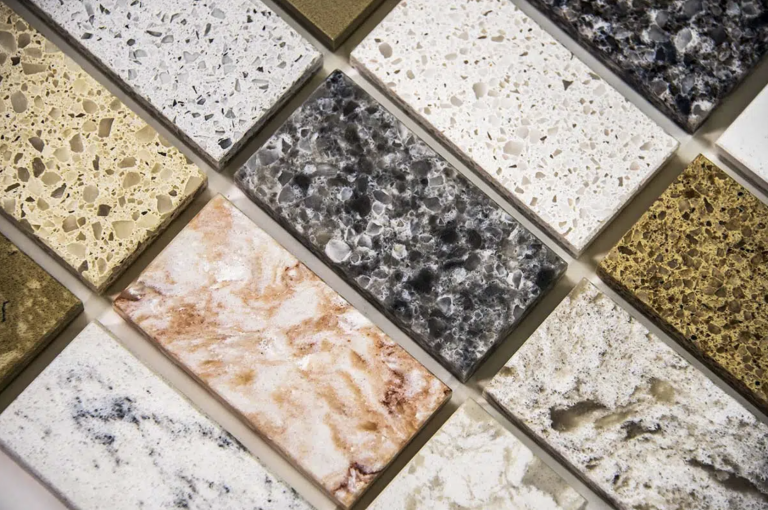
Granite Countertops Guide: Geological Properties, Selection, and Care
The Comprehensive Guide to Granite Countertops
Granite is a light-colored igneous rock with grains large enough to be visible with the unaided eye. It forms from the slow crystallization of magma below Earth’s surface. In the context of interior design and architecture, granite is processed into large slabs to create durable, heat-resistant surfaces. Because it is a natural stone, each piece contains a unique arrangement of minerals such as quartz, feldspar, and mica, which contribute to its characteristic strength and varied appearance.
Understanding the technical attributes and logistical requirements of these surfaces is essential for successful architectural planning. This guide provides a neutral, detailed overview of how granite is sourced, categorized, and maintained. Readers will gain insight into the structural benefits of natural stone, the practicalities of the installation process, and the necessary steps for ensuring the material’s longevity in various environmental conditions.

Overview of Granite Countertops
Granite is a plutonic rock, meaning it formed deep underground. Its durability comes from its high silica content and its dense, crystalline structure. When utilized as granite countertops, the material serves as a functional work surface that is naturally resistant to high temperatures and abrasions. Unlike synthetic or engineered materials, granite is prized for its “organic” origin, where no two slabs are identical in pattern or mineral distribution.
Users typically approach this material when seeking a permanent, high-strength surface for kitchens, bathrooms, or outdoor utility areas. The typical goal is to install a surface that provides both structural reliability and a natural aesthetic. Outcomes generally include a surface that can withstand direct heat from cookware and provide a rigid area for various tasks, provided the stone is properly sealed and supported.
Key Categories and Mineral Variations
Granite is categorized primarily by its origin, mineral composition, and the resulting visual pattern. These categories help users predict how the stone will behave and how it should be visually integrated into a space.
Material Category Comparison Table
| Category / Type | Description | Common Use Case | Effort / Cost Level |
| Solid / Uniform | Low variation with a consistent, tightly packed grain structure. | Large commercial projects or minimalist designs. | Moderate |
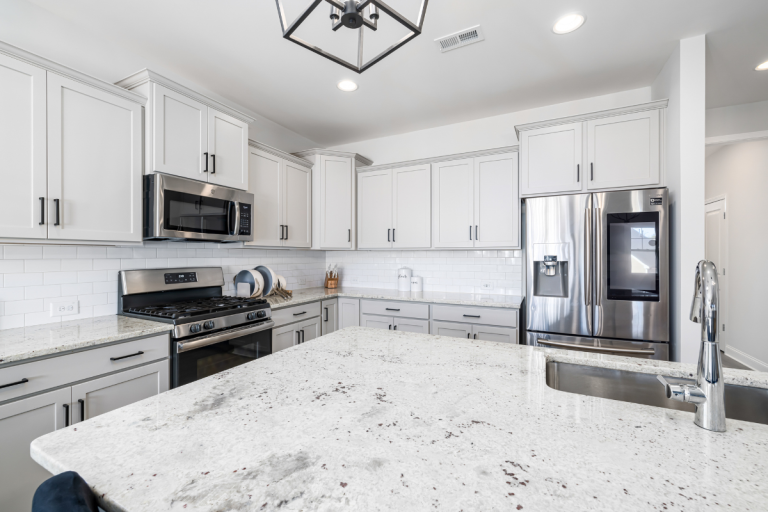
| Speckled | High concentrations of small, contrasting mineral grains. | Traditional residential kitchens and high-traffic areas. | Low to Moderate |
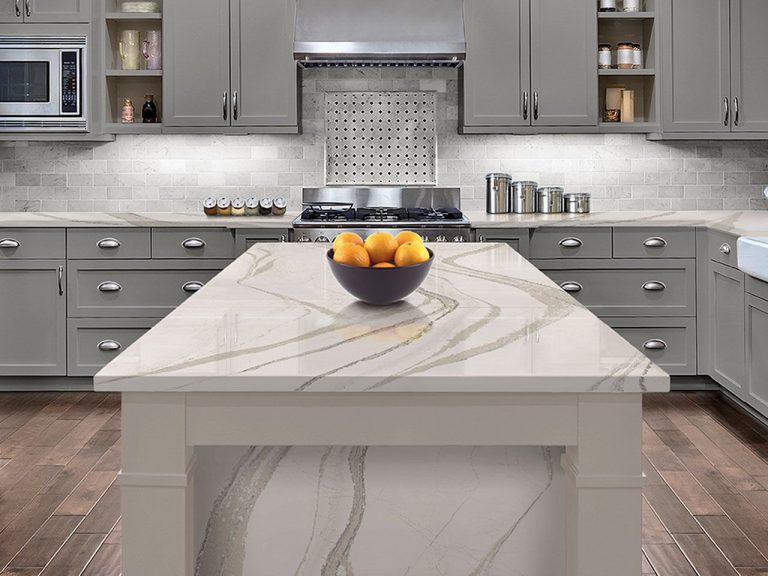
| Veined | Long, sweeping lines of different minerals resembling marble. | Luxury focal points and large islands. | High |
| Black Granite (Gabbro) | Technically a different igneous rock, but sold as granite; very dense. | Modern kitchens and outdoor applications. | Moderate to High |
| Exotic / Rare | Slabs with unusual colors (blue, green) or large crystal inclusions. | High-end custom architectural features. | Very High |
Choosing between these categories involves balancing aesthetic preference with physical properties. For example, darker, denser granites (like absolute black varieties) often have lower porosity and may require less frequent sealing than lighter, more porous veined varieties.
Practical Scenarios or Thematic Applications
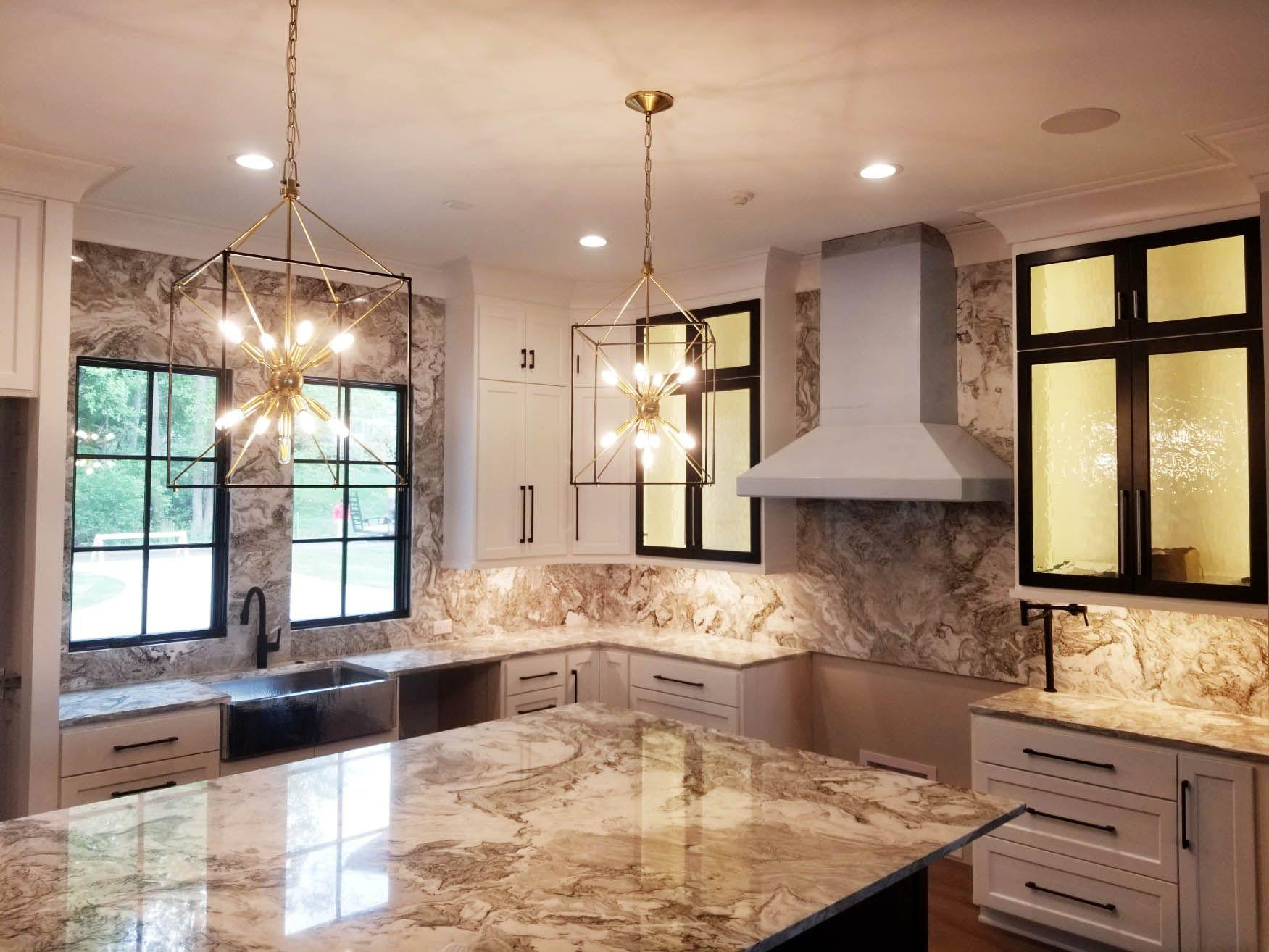
Scenario 1: Professional Culinary Environment
In a space designed for heavy food preparation, the countertop must withstand constant cleaning, impact, and heat.
-
Components: 3cm thick slabs, polished finish for easy sanitation, and heat-resistant silicone joints.
-
Steps: Precise templating of the workspace, reinforcing cabinets for stone weight, and applying professional-grade impregnating sealer.
-
Relevance: This scenario highlights granite’s primary strength: its ability to handle hot items directly from an oven without structural failure or melting.
Scenario 2: High-Moisture Bathroom Application
In bathrooms, the surface is frequently exposed to standing water, soaps, and cosmetic chemicals.
-
Components: Undermount sinks, eased edges to prevent water pooling, and backsplash integration.
-
Steps: Ensuring the stone is sealed against moisture penetration, leveling the vanity, and caulking the stone-to-wall transition.
-
Relevance: This demonstrates the importance of granite’s density and the role of chemical sealers in preventing mineral staining from water.
Scenario 3: Outdoor Utility or Kitchen
Granite is one of the few natural stones that can withstand UV exposure and temperature fluctuations without fading or warping.
-
Components: Honed or textured finish to reduce glare, extra-thick slabs, and weatherproof support structures.
-
Steps: Selecting a granite variety with low iron content (to prevent rusting), installing on a concrete base, and using UV-stable adhesives.
-
Relevance: This scenario showcases granite’s geological resilience against environmental weathering.
Comparison: Scenario 1 focuses on heat and impact; Scenario 2 prioritizes moisture resistance; Scenario 3 emphasizes UV and weather stability. Readers should select a variety based on the specific environmental stressors of their location.
Planning, Cost, and Resource Considerations
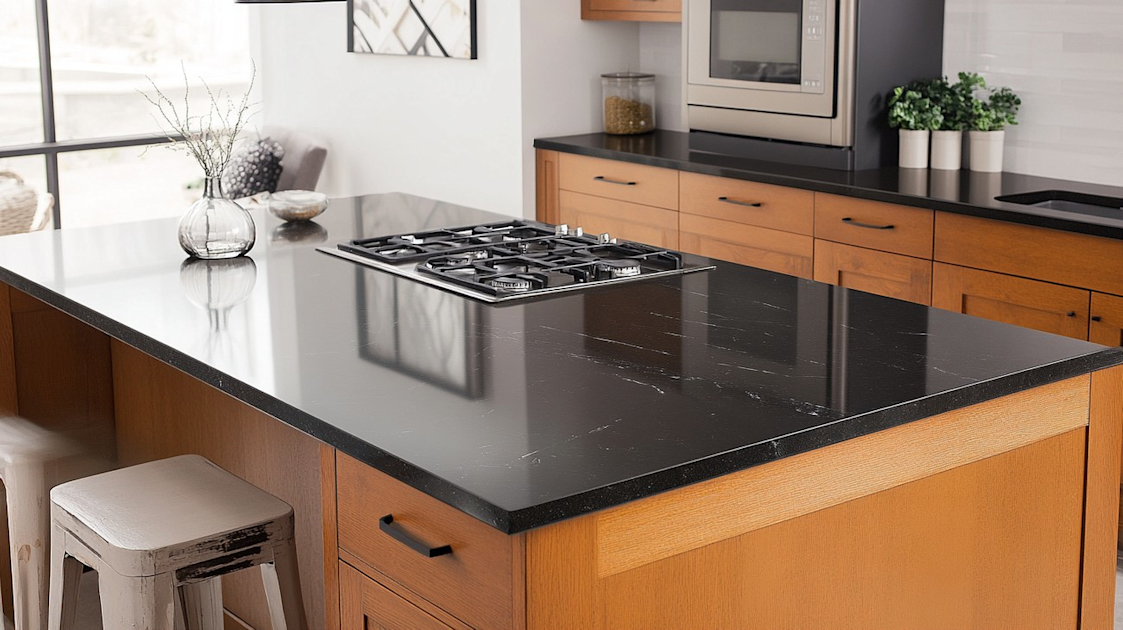
Preparation is vital because granite is a heavy, rigid material that cannot be easily modified once it arrives at the installation site. Errors in measurement can lead to slab breakage or the need for expensive recuts.
Sample Planning & Budget Table
| Category | Estimated Amount / Effort | Explanation | Optimization Tips |
| Material (Slabs) | $40 – $150 per sq. ft. | Prices depend on rarity and shipping distance from the quarry. | Buy “remnants” for small projects like vanities. |
| Templating | 2–4 Hours / $150+ | Professional measurement using laser or physical guides. | Ensure all cabinets are permanently installed first. |
| Fabrication | $20 – $40 per linear ft. | Cutting, edge profiling, and sink cutouts. | Choose simple edge profiles (Eased or Bullnose) to save. |
| Sealing / Finishing | $100 – $300 | Initial application of a protective barrier. | Inquire if the fabricator offers a multi-year sealer. |
Note: Figures are illustrative examples and will fluctuate based on market demand and regional labor rates.
Strategies, Tools, and Support Options
Several methods exist to handle and install granite countertops, each with specific trade-offs.
-
Full Slab Installation: Using a single, continuous piece of stone.
-
Advantages: Minimal seams and a cohesive look.
-
Disadvantages: Extremely heavy; difficult to maneuver in tight spaces.
-
-
CNC Fabrication: Computer-controlled cutting of the stone.
-
Advantages: Perfect accuracy for sink cutouts and complex curves.
-
Disadvantages: Higher shop overhead costs passed to the consumer.
-
-
Sub-top Support: Placing a layer of plywood under the granite.
-
Advantages: Provides extra stability and allows for thinner stone use.
-
Disadvantages: Increases the total height of the counter surface.
-
-
Epoxy Seaming: Joining two pieces of granite with color-matched resin.
-
Advantages: Creates a structurally sound, nearly invisible joint.
-
Disadvantages: Requires high skill to match the natural stone “veining” at the seam.
-
Safety, Risks, and Common Challenges
-
Cracking/Fissures: Natural stones often have “fissures”—natural separations between mineral crystals. While usually stable, they can become cracks if the stone is improperly handled. Prevention: Inspect slabs for structural integrity before purchase.
-
Staining: Being a natural, porous material, granite can absorb oils or dyes. Prevention: Maintain an active seal and wipe up spills immediately.
-
Weight Stress: Granite can weigh 18–20 pounds per square foot. Prevention: Ensure base cabinets are level and structurally sound to avoid bowing or collapse.
-
Radon Emissions: Small amounts of radioactive elements can occur naturally in some granites. Prevention: While most granites are well within safety limits, select stones from reputable suppliers who monitor their inventory.
Maintenance, Best Practices, and Long-Term Management
Ongoing care is the most critical factor in the lifecycle of the material.
-
The Water Test: Periodically drop a small amount of water on the surface. If it beads, the seal is intact. If it absorbs, it is time to reseal.
-
Neutral Cleaning: Use only pH-neutral cleaners. Avoid vinegar, lemon juice, or abrasive “scrub” pads which can etch the minerals or wear down the sealer.
-
Trivet Usage: Although granite is heat-resistant, consistent localized heat can cause “thermal expansion” stresses. Using trivets is a best practice.
-
Avoid Impact: Do not use heavy hammers or tools near the edges, as the crystalline structure can chip under direct mechanical force.
Documentation and Reporting
For large-scale projects, documenting the specific quarry and batch number is standard professional practice.
Tips for Organizing Information:
-
Keep a physical sample of the stone in case of future repairs.
-
Record the name of the sealer used to ensure compatibility with future applications.
Illustrative Examples:
-
Commercial Facility: A hotel maintains a log of every countertop’s installation date and sealing schedule to ensure consistent performance across 200 rooms.
-
Residential Record: A homeowner keeps the fabricator’s CAD drawing, allowing a new contractor to perfectly match an additional bar top five years later.
FAQ
Q: Can I cut directly on granite countertops?
A: While granite is harder than steel and difficult to scratch, cutting on it will dull your knives almost instantly. It is better to use a cutting board.
Q: How often should I reseal the stone?
A: This varies by use and stone density. Generally, every 1–3 years is recommended, though some high-density granites may go longer.
Q: Can granite be repaired if it chips?
A: Yes. A professional can use a color-matched epoxy resin to fill chips, which is then polished to match the surrounding surface.
Closing Summary
Granite countertops remain a premier choice for durable interior surfaces due to their geological hardness and natural resistance to environmental stressors. By understanding the specific mineral categories, ensuring proper structural support, and adhering to a consistent sealing schedule, users can ensure these surfaces function reliably for decades. Granite represents a significant but lasting investment in material performance and natural architectural design.