Contemporary King Size Bed Guide: Design, Engineering, and Planning
The Comprehensive Guide to the Contemporary King Size Bed
The contemporary king size bed represents the modern evolution of residential sleep systems, prioritizing both orthopedic support and architectural integration. Measuring approximately 76 inches wide by 80 inches long in standard American dimensions, this furniture category is designed to accommodate two adults while providing sufficient individual space to reduce sleep disruption. Unlike traditional furniture styles that relied on heavy ornamentation, contemporary designs emphasize “honesty in materials,” structural transparency, and the utilization of high-performance alloys and textiles.
Understanding the mechanical attributes and logistical requirements of a large-scale sleep system is essential for successful interior planning. This guide provides a neutral, detailed overview of the various frame categories, the structural importance of center-support engineering, and the practical considerations for transporting and maintaining high-mass furniture. Readers will gain insight into the differences between various platform configurations, as well as the budgetary and safety protocols necessary for a stable, long-term installation.
Overview of Contemporary King Size Bed
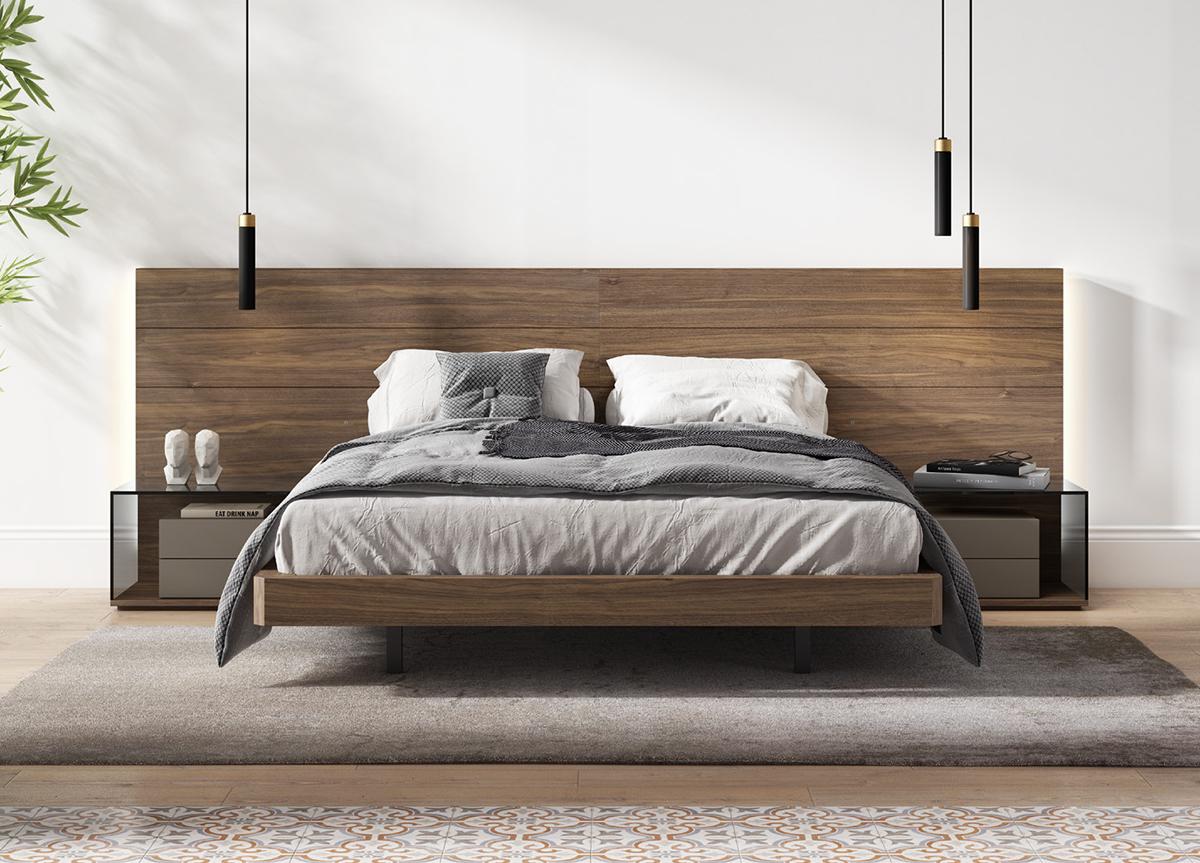
The core concept of a contemporary king size bed is the “low-profile” or “platform” architecture. In previous eras, bed frames often required a secondary box spring layer for suspension, which increased the total height of the bed and required deep side rails to conceal the hardware. Modern design has transitioned toward slatted or solid-panel support systems that eliminate the box spring entirely. This shift allows the mattress to sit closer to the floor, maintaining unobstructed sightlines in bedrooms with floor-to-ceiling windows or minimalist aesthetics.
People commonly approach these beds with the goal of maximizing personal sleep space without overwhelming the visual field of a room. Typical expectations include high structural rigidity—essential because a king-sized mattress can weigh between 100 and 200 pounds—and a design that provides quiet operation by minimizing joint friction. The outcome of a successful selection is a permanent architectural anchor that supports musculoskeletal health by providing a stable, level surface that prevents mattress sagging.
Key Categories and Structural Variations
Contemporary frames are categorized by their aesthetic profile and the mechanical way they distribute the weight of the occupants.
Design Category Comparison Table
| Category / Type | Description | Common Use Case | Effort / Cost Level |
| Platform | Low-profile; uses wooden slats or a solid deck. | Minimalist homes; small master suites. | Moderate |
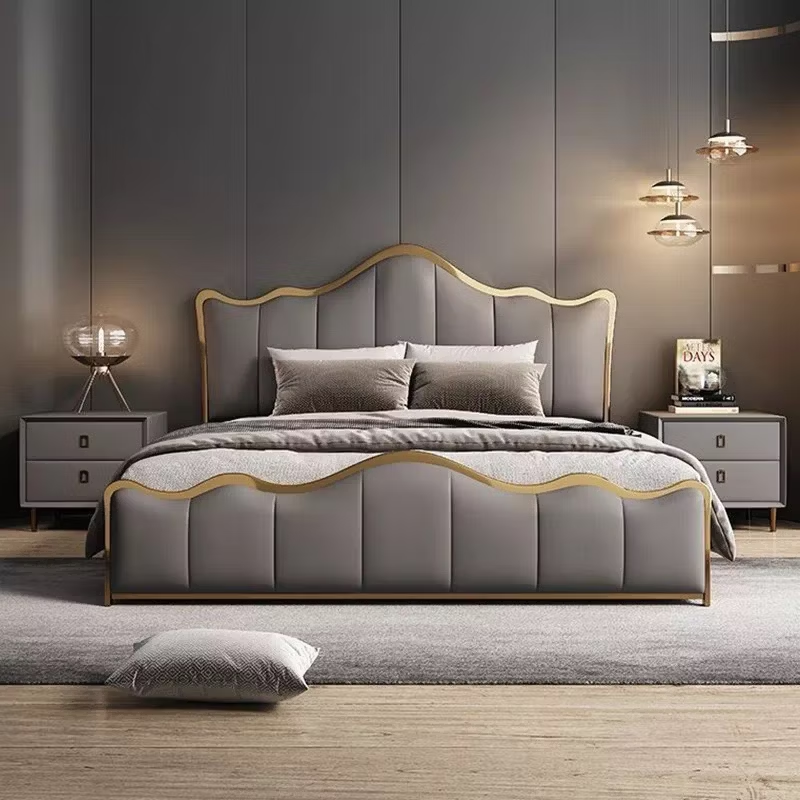
| Upholstered | Padded frame wrapped in fabric, leather, or velvet. | High-comfort suites; acoustic dampening. | Moderate to High |
| Floating | Recessed legs create the illusion of the bed hovering. | Contemporary or futuristic interior themes. | High |
| Storage / Hydraulic | Features drawers or a lift-up deck for storage. | Urban apartments; limited closet space. | Very High |
| Canopy | Modern thin-profile metal frames with vertical posts. | Large rooms with high vaulted ceilings. | High |
Choosing between these categories requires an assessment of both the room’s volume and its storage needs. For instance, a storage bed provides significant utility but is far heavier and more difficult to move than a simple platform frame. Conversely, a floating contemporary king size bed offers a visually light aesthetic that makes a smaller master bedroom feel more expansive by exposing more of the floor plane.
Practical Scenarios or Thematic Applications
Scenario 1: The Urban High-Rise Renovation
In environments where square footage is optimized, the bed often serves as a primary storage component.
-
Components: Hydraulic lift-up platform, integrated LED headboard lighting, and thin-profile metal frame.
-
Steps: Measure hallway and elevator clearances; verify floor load-bearing capacity; install the hydraulic pistons with a secondary locking mechanism.
-
Relevance: This scenario utilizes the “dead space” under the mattress for seasonal storage, which is essential for city living.
Scenario 2: The Biophilic Master Suite
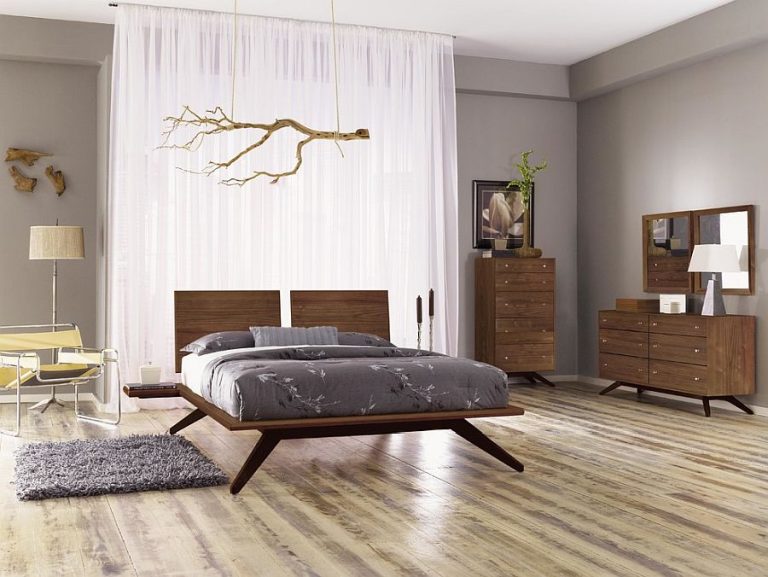
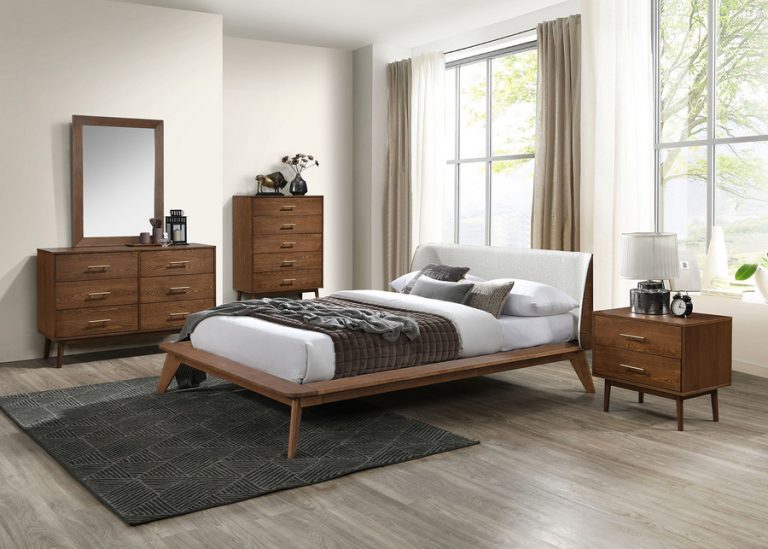
Focuses on natural materials and a connection to the environment through warm wood tones.
-
Components: Solid walnut or oak frame, splayed “peg” legs, and a spindle headboard.
-
Steps: Match wood undertones with existing flooring; ensure a 36-inch clearance around all three sides of the bed; utilize a slat gap of 3 inches or less.
-
Relevance: This demonstrates the “organic modernism” approach, where the furniture acts as a bridge between the interior and natural views.
Scenario 3: The High-Acoustic Multi-Generational Home
Prioritizes sound dampening and physical safety in a busy household.
-
Components: Fully upholstered fabric frame, soft-radius corners, and recessed center legs.
-
Steps: Select performance fabrics with high rub-counts; ensure center support legs have felt pads for floor protection; verify the frame uses low-VOC foam padding.
-
Relevance: Fabric-wrapped frames absorb ambient sound and prevent “shin-strike” injuries, making them practical for families with children or pets.
Comparison: Scenario 1 focuses on utility; Scenario 2 on aesthetics and architectural flow; Scenario 3 on safety and comfort. Readers should select their frame based on whether they prioritize space (Scenario 1) or individual well-being (Scenario 3).
Planning, Cost, and Resource Considerations
Preparation is critical because a contemporary king size bed is the largest piece of furniture in the domestic environment. Planning must account for delivery logistics as much as the final footprint.
Sample Budget Table
| Category | Estimated Amount | Explanation | Optimization Tips |
| Frame Material | $800 – $4,000 | Solid hardwoods cost more than metal or veneer. | Select metal frames for high durability at lower cost. |
| Assembly/Labor | $150 – $350 | Professional assembly of complex KD (Knock-Down) hardware. | Follow “bolt-tighten” protocols 30 days after first use. |
| Support System | $100 – $400 | Specialized “Euro-slats” or center-support rails. | Ensure the center rail has at least three vertical legs. |
| Transportation | $100 – $300 | Surcharges for oversized/heavy item delivery. | Measure all doorways and tight turns before ordering. |
Note: Figures are examples and will vary based on regional labor rates and material rarity.
Strategies, Tools, and Support Options
The structural integrity of a king bed depends on the “center-line” support, as the span is too wide for side-rails alone.
-
Euro-Slat System: Arched wooden slats set into rubber caps.
-
Advantages: Provides a slight “spring” effect; enhances airflow under the mattress.
-
Disadvantages: Individual slats can lose tension or snap over time.
-
-
Solid Decking: Plywood or MDF panels that cover the entire frame area.
-
Advantages: Provides the firmest possible support; ideal for heavy memory foam.
-
Disadvantages: Restricts airflow, which can lead to moisture buildup under the mattress.
-
-
Adjustable Base: A motorized mechanical frame that allows the head and foot to tilt.
-
Advantages: Beneficial for acid reflux, snoring, or medical recovery.
-
Disadvantages: Extremely heavy; requires proximity to electrical outlets.
-
-
T-Beam Center Rail: A metal or wood beam running from head to foot with vertical floor supports.
-
Advantages: Essential for preventing the “taco effect” (mattress sagging in the middle).
-
Disadvantages: Center legs can be difficult to level on uneven floors.
-
Safety, Risks, and Common Challenges
-
Structural Sagging: Because of the 76-inch span, king beds are prone to bowing in the center. Prevention: Ensure the center support rail makes firm contact with the floor at three or more points.
-
Hardware Loosening: The vibration of nightly use can loosen hex-bolts. Issue: Leads to “bed-creaking” or structural instability. Mitigation: Tighten all fasteners every 6 months.
-
Mattress Incompatibility: Many modern foam mattresses require slats to be spaced no more than 3 inches apart. Risk: Gaps wider than 3 inches can cause the mattress to bulge and void the warranty.
-
Shin-Strike: Modern “floating” designs often have hard, square corners at the foot of the bed. Prevention: Choose frames with “radiused” (rounded) corners or upholstered edges.
Maintenance, Best Practices, and Long-Term Management
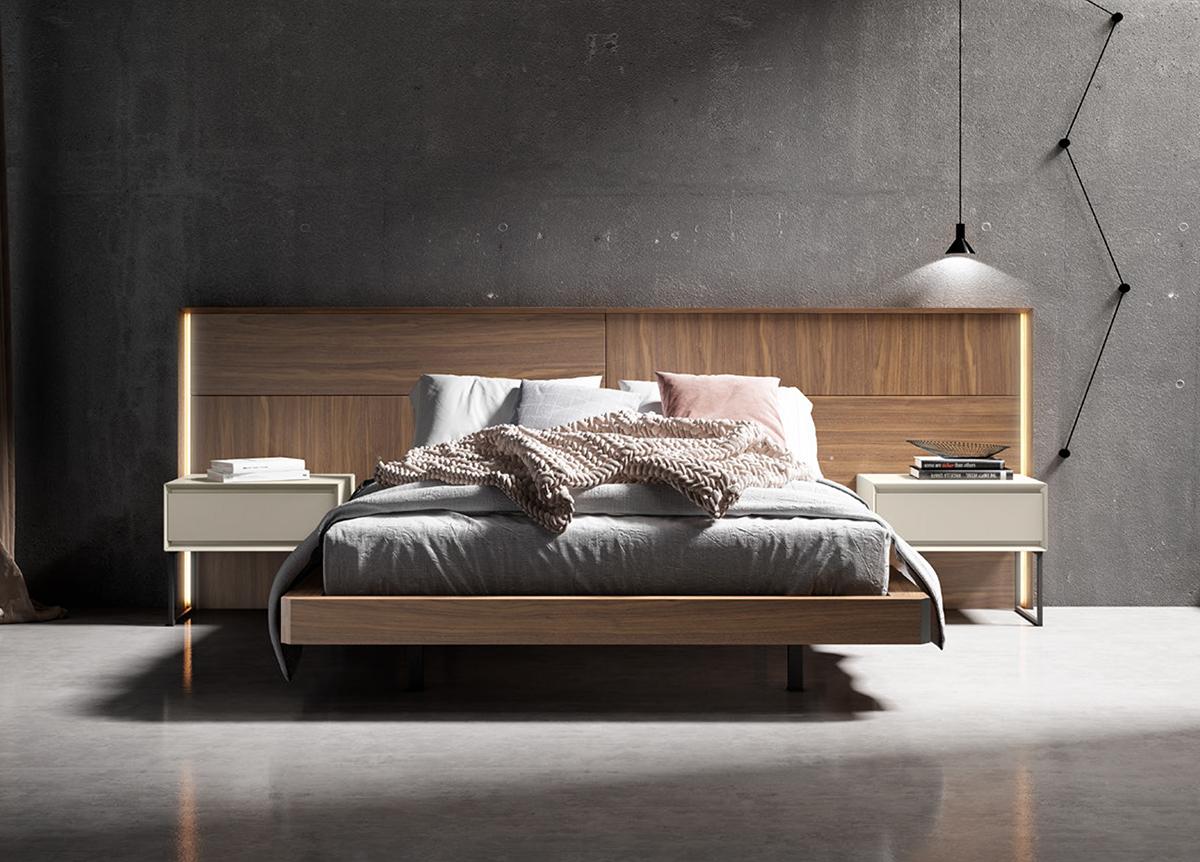
The longevity of a contemporary king size bed is determined by the transition from industrial finish to residential care.
-
Ongoing Best Practices Checklist:
-
Weekly: Dust the frame with a microfiber cloth. For upholstered beds, use a vacuum with a brush attachment to prevent dust mite accumulation.
-
Quarterly: Rotate the mattress (180 degrees) to ensure even weight distribution on the slats.
-
Bi-Annually: Perform a “bolt check.” Use a hex key to verify that the side rails are tight against the headboard and footboard.
-
Annually: For wood frames, apply a high-quality furniture oil or wax to prevent the wood from drying and cracking in climate-controlled environments.
-
Documentation and Reporting
For high-value furniture or commercial settings, documenting the care and specifications of the bed is essential for insurance or resale.
Tips for Organizing Information:
-
Keep the assembly manual and the specific “Hex Key” size in a dedicated location.
-
Note the “Maximum Weight Capacity” of the frame (including the mattress weight).
Illustrative Examples:
-
Insurance Management: A homeowner records the manufacturer’s batch number; if the frame fails structurally, they have the data for a warranty claim.
-
Repair Readiness: A facility manager for a boutique hotel keeps a log of “Hardware Tightening” dates to prevent noise complaints from guests.
FAQ
Q: Can a contemporary king bed fit in a standard 10×12 bedroom? A: A king bed occupies approximately 42 square feet. In a 120-square-foot room, this leaves only 78 square feet for circulation and other furniture. Designers recommend at least 30 inches of walking space around the bed for safety.
Q: Why does my platform bed squeak? A: Squeaking is usually caused by wood rubbing against wood at the joints, or metal fasteners that have loosened slightly. Applying paraffin wax to the joints and tightening the bolts usually solves the issue.
Q: Is “California King” the same as “Contemporary King”? A: No. A standard (Eastern) King is 76″ x 80″. A California King is narrower and longer (72″ x 84″), designed for taller individuals.
Closing Summary
The contemporary king size bed is a foundational element of modern residential design, balancing large-scale comfort with streamlined engineering. By prioritizing structural center-support, adhering to specific slat-spacing requirements, and implementing a disciplined maintenance schedule for mechanical fasteners, users can ensure a quiet and stable sleeping environment. Success with these systems relies on early logistical planning, an awareness of material-specific care, and a commitment to protecting the structural integrity of the frame over the life of the mattress.