Kitchen Cabinet Designs Guide: Styles, Construction, and Planning
The Comprehensive Guide to Kitchen Cabinet Designs
Kitchen cabinetry serves as the structural and functional backbone of the modern home. Beyond providing essential storage for culinary tools and provisions, cabinets define the architectural flow and ergonomic efficiency of the kitchen environment. The selection of a cabinet system involves a complex intersection of material science, joinery techniques, and spatial planning. Because cabinetry is often the most significant financial investment in a kitchen renovation, understanding the technical specifications and durability of different design approaches is essential for long-term satisfaction and utility.
This guide provides a neutral, detailed overview of the principles governing contemporary cabinetry. Readers will learn about the various construction methods, such as framed versus frameless systems, the characteristics of different wood species and engineered substrates, and the logistical considerations for installation. By examining the functional categories and maintenance requirements of these systems, this article establishes a framework for evaluating quality and managing the lifecycle of a kitchen’s primary storage components.

Overview of Kitchen Cabinet Designs
The core concept of kitchen cabinet designs is the creation of a modular or custom storage system that optimizes the “work triangle”—the distance between the stove, sink, and refrigerator. In modern architecture, cabinets are categorized into three primary placements: base cabinets (providing the foundation for countertops), wall cabinets (installed above the work surface), and tall cabinets (pantry or utility storage). The goal of these designs is to maximize volumetric capacity while ensuring that items remain accessible and the structural load of heavy cookware or stone counters is safely distributed.
People commonly approach cabinetry selection by focusing on “door styles,” such as Shaker, flat-panel, or raised-panel, as these define the visual theme. However, the technical expectation of a high-quality design involves the “box” construction—the internal carcass that determines the cabinet’s lifespan. Outcomes for a well-executed plan include a hygienic, easy-to-clean environment that accommodates integrated appliances and provides ergonomic solutions like pull-out organizers and soft-close mechanisms.
Key Categories and Construction Methods
Kitchen cabinetry is fundamentally divided by how the box is constructed and the degree of customization available during the manufacturing process.
Cabinet Category Comparison Table
| Category / Type | Description | Common Use Case | Effort / Cost Level |
| Stock Cabinets | Pre-manufactured in standard sizes; limited finish options. | Budget renovations; rental properties. | Low |
| Semi-Custom | Standard sizes with options for custom depths and finishes. | Most residential kitchen remodels. | Moderate |
| Custom Cabinets | Built to specific dimensions; no limit on materials or finishes. | High-end homes; irregular architectural spaces. | High |
| Frameless (European) | No face frame; doors attach directly to the cabinet box. | Modern, minimalist designs; maximum storage. | Moderate to High |
| Framed (American) | Features a 1.5-inch wood frame on the front of the box. | Traditional or transitional aesthetics. | Moderate |
Choosing between these categories requires an assessment of both the budget and the architectural requirements. Frameless cabinets are often preferred in small kitchens because the absence of a face frame allows for wider drawers and easier access to the interior. Conversely, framed cabinets are prized for their traditional look and superior structural rigidity in large-scale installations.
Practical Scenarios or Thematic Applications
Scenario 1: The High-Efficiency Small Kitchen
In urban environments where square footage is limited, the design must prioritize vertical storage and ease of movement.
-
Components: Frameless cabinetry, floor-to-ceiling pantry units, and integrated “blind corner” pull-outs.
-
Steps: Measure “clearance” zones for door swings; utilize 42-inch upper cabinets instead of the standard 30-inch; incorporate toe-kick drawers for flat items like baking sheets.
-
Relevance: This scenario utilizes the high density of kitchen cabinet designs to eliminate “dead space,” ensuring a small footprint remains functional for intensive cooking.
Scenario 2: The Multi-Generational Family Hub
Focuses on durability, safety, and accessibility for users of different heights and physical abilities.
-
Components: Soft-close hinges, rounded corner profiles, and “universal design” pull-down shelves in upper cabinets.
-
Steps: Position heavy items in base cabinet drawers rather than low shelves; ensure hardware is D-shaped for easy gripping; utilize glass-front uppers for high visibility.
-
Relevance: This application demonstrates how cabinetry can reduce physical strain and prevent injuries, such as pinched fingers or muscle pulls, in a busy household.
Scenario 3: The Integrated Modern Great Room
Designed for homes where the kitchen is visually open to the living and dining areas.
-
Components: Flat-panel (slab) doors, hidden “touch-to-open” latches, and matching wood veneers across appliance panels.
-
Steps: Align all horizontal and vertical “reveal” lines; utilize tall cabinets to hide small appliances (appliance garages); select matte finishes to reduce glare from large windows.
-
Relevance: This scenario highlights the role of cabinetry as furniture, blurring the line between utility storage and interior architectural finishes.
Comparison: Scenario 1 focuses on spatial optimization; Scenario 2 on ergonomics and safety; Scenario 3 on aesthetic integration. Readers should select their path based on whether they prioritize maximum storage (Scenario 1) or a cohesive “furniture” look (Scenario 3).
Planning, Cost, and Resource Considerations

Preparation is critical because cabinetry is the most labor-intensive and material-heavy component of the kitchen. Planning must account for “rough-in” dimensions for plumbing and electrical lines.
Sample Planning & Budget Table (Example Figures)
| Category | Estimated Amount | Explanation | Optimization Tips |
| Materials (Boxes/Doors) | $5,000 – $25,000 | Cost varies by wood species (e.g., Oak vs. Walnut) or MDF. | Select plywood boxes for better moisture resistance. |
| Installation Labor | $2,000 – $6,000 | Leveling, scribing to walls, and hardware mounting. | Ensure walls are plumb before the installers arrive. |
| Internal Hardware | $500 – $2,500 | Pull-outs, lazy susans, and soft-close upgrades. | Prioritize base-cabinet drawers over standard shelves. |
| Finish / Treatment | $1,000 – $3,000 | Factory paint vs. hand-applied stains or oils. | Use factory-applied “conversion varnish” for durability. |
Note: Figures are illustrative examples and will vary based on regional labor rates and the choice of custom vs. stock products.
Strategies, Tools, and Support Options
The successful execution of kitchen cabinet designs relies on specific technical strategies and support mechanisms.
-
Laser Leveling: Using high-precision lasers to establish a perfectly horizontal “datum line” across the room.
-
Advantages: Ensures countertops sit flat and drawers do not slide open on their own.
-
Disadvantages: Requires specialized equipment and setup time.
-
-
Scribing: The process of tailoring the side of a cabinet to fit the exact “wave” or curve of a wall.
-
Advantages: Eliminates unsightly gaps between the cabinetry and the wall.
-
Disadvantages: Labor-intensive; requires a skilled carpenter.
-
-
Modular Organizers: Aftermarket or integrated inserts for spices, cutlery, and waste.
-
Advantages: Dramatically increases the “functional” capacity of a standard cabinet.
-
Disadvantages: Can be expensive; reduces the total volume for larger items.
-
-
Suspension Rails: Used primarily in frameless designs to “hang” cabinets on the wall.
-
Advantages: Faster installation; allows for easier micro-adjustments to leveling.
-
Disadvantages: Relies on the structural integrity of the rail and wall studs.
-
Safety, Risks, and Common Challenges
-
Structural Collapse: Overloading upper cabinets or failing to hit wall studs during installation. Prevention: Use 3-inch cabinet screws and verify stud locations with a professional-grade sensor.
-
Formaldehyde Off-gassing: Some composite wood products (particleboard) use glues that release gases. Safety: Look for “CARB Phase 2” or “NAF” (No Added Formaldehyde) compliant materials.
-
Moisture Damage: Leaks under the sink can cause MDF or particleboard to swell and disintegrate. Prevention: Use plywood for “sink base” cabinets and install waterproof mats.
-
Tipping Hazards: Tall pantry units or large islands can tip if not anchored to the floor or wall. Prevention: Follow manufacturer-specific anchoring protocols for all units over 30 inches tall.
Maintenance, Best Practices, and Long-Term Management
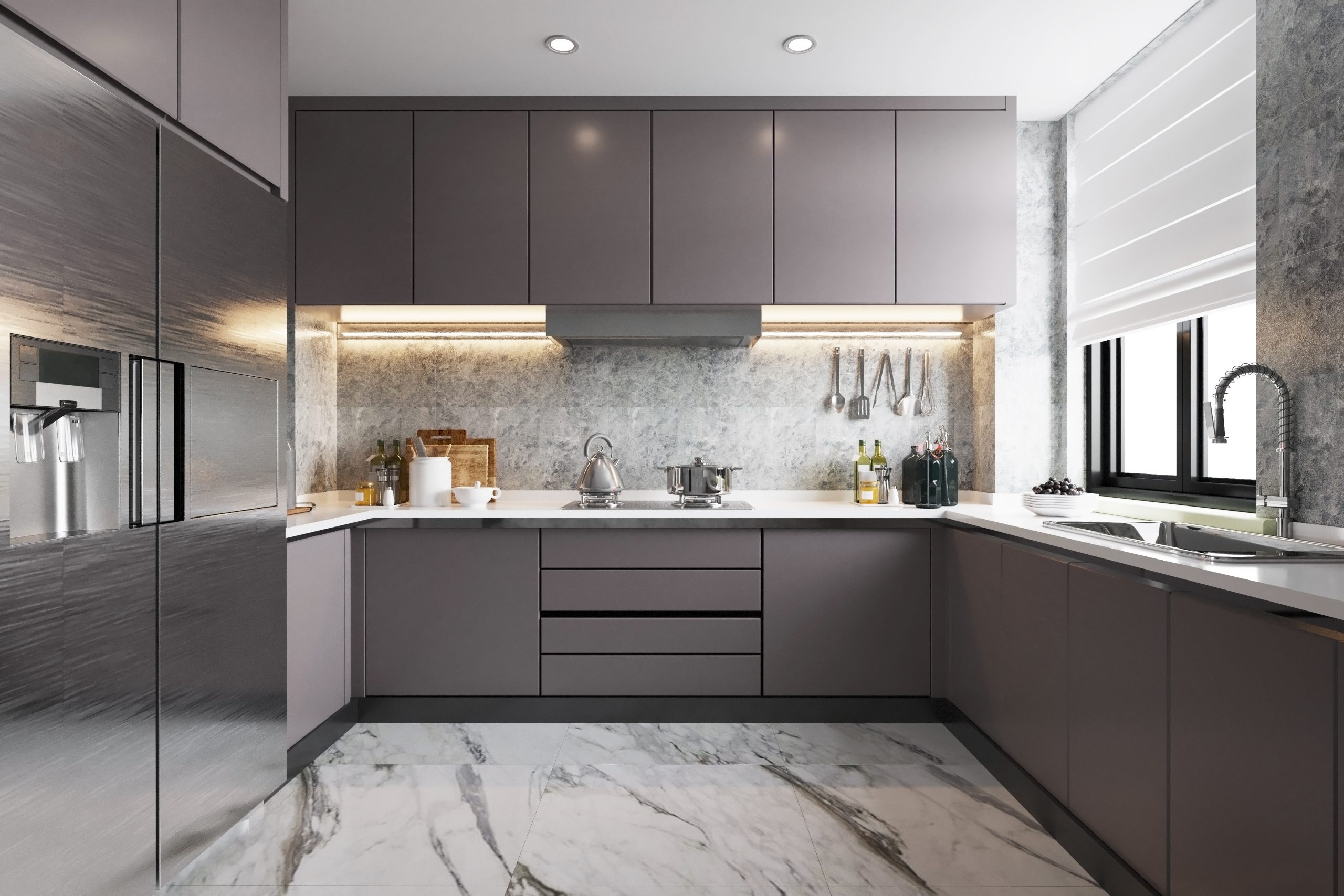
The longevity of a kitchen is determined by the transition from professional installation to resident care.
-
Ongoing Best Practices Checklist:
-
Weekly: Wipe cabinet faces with a damp microfiber cloth and pH-neutral soap. Avoid abrasive “scrub” pads.
-
Monthly: Clean out the tracks of drawers and pull-outs to prevent debris from damaging the ball-bearing slides.
-
Bi-Annually: Check the tension of door hinges. Most modern hinges feature 3-way adjustment screws to correct for sagging.
-
Annually: For natural wood cabinets, apply a high-quality furniture oil or wax to prevent the wood from drying out near heat sources like the oven.
-
Regular review of the “alignment” is necessary because houses “settle” over time. If doors start to rub against each other, they should be adjusted immediately to prevent the finish from chipping.
Documentation and Reporting
For high-end or custom projects, maintaining a record of the technical specifications is vital for future repairs or resale.
Tips for Organizing Information:
-
Keep a “Finish Registry”: Note the exact paint color code or stain name used.
-
Store the hardware brand and model (e.g., “Blum soft-close 110-degree hinges”) for replacement needs.
Illustrative Examples:
-
Insurance Management: A homeowner records the “Batch Number” of their painted cabinets; if a door is damaged by a leak, they can order a color-matched replacement from the manufacturer.
-
Facility Log: A commercial kitchen records the “Weight Rating” for all shelving units to ensure that heavy industrial equipment does not exceed the structural limits of the cabinetry.
FAQ
Q: Is Plywood better than MDF for cabinet boxes?A: Plywood is generally superior for its screw-holding power and resistance to moisture. However, high-quality MDF is more stable and provides a smoother surface for painted finishes.
Q: What is the standard height for base cabinets? A: The industry standard is 34.5 inches, which reaches a total height of 36 inches once a 1.5-inch countertop is installed.
Q: Can I change my cabinet doors without replacing the boxes? A: Yes. This is known as “refacing.” Provided the existing boxes are structurally sound and level, new doors and drawer fronts can be installed to update the aesthetic.