All Modern Furniture: A Comprehensive Technical and Practical Guide
The Comprehensive Guide to All Modern Furniture
Furniture serves as the primary interface between the human body and the built environment. The term “modern furniture” does not merely refer to objects made recently; rather, it identifies a specific design philosophy that emerged in the early 20th century, prioritizing functionalism, the “honesty of materials,” and the removal of superfluous ornamentation. By leveraging industrial manufacturing techniques and new material sciences—such as tubular steel, molded plywood, and high-performance polymers—modern design shifted the focus of domestic life toward spatial efficiency and ergonomic health.
Understanding the technical attributes and logistical requirements of these objects is essential for successful interior planning. This guide provides a neutral, detailed overview of the principles governing contemporary furniture, the various categories of design movements, and the practical considerations for long-term management. Readers will learn how to evaluate structural quality, plan for budgetary needs, and implement a disciplined maintenance routine to preserve the integrity of their furnished environments over several decades.
Overview of All Modern Furniture
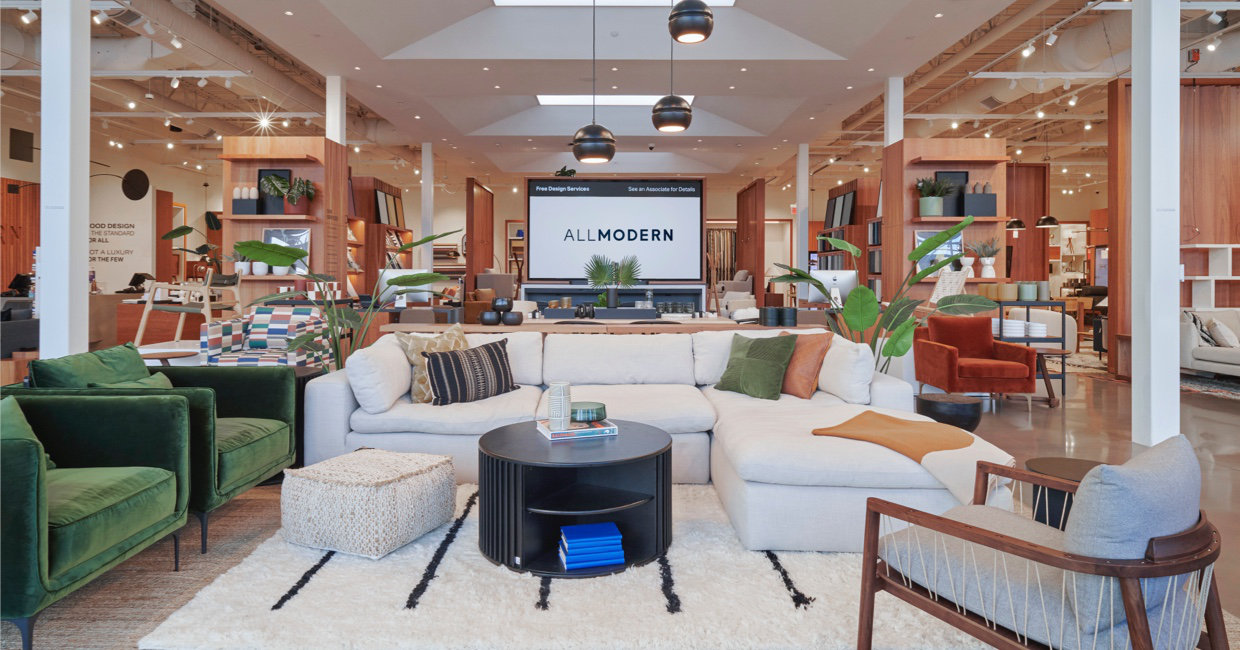
The core concept of all modern furniture is rooted in the “Form follows Function” philosophy. In simple terms, this means the aesthetic beauty of an object is derived from its intended use and the natural properties of its materials, rather than applied decoration. For example, a modern chair is not designed to signify status through carvings; it is designed to support the human spine using the most efficient geometry possible. This movement sought to bring high-quality design to the masses through mass production, replacing bespoke, hand-carved pieces with standardized, industrial components.
People commonly approach modern furniture when seeking to create “open” and “uncluttered” environments. Typical goals include maximizing natural light by using furniture with thin profiles and “floating” elements that show more of the floor. Expectations for these pieces involve high durability, ease of sanitation, and multi-functionality. The outcome of a successful modern furnishing plan is a space that feels larger than its physical dimensions, where each object serves a specific purpose without creating visual “noise” or obstructing the flow of movement.
Key Categories and Design Approaches
Modern furniture is categorized by its structural intent and the specific historical design theory it follows.
Furniture Category Comparison Table
| Category / Type | Description | Common Use Case | Effort / Cost Level |
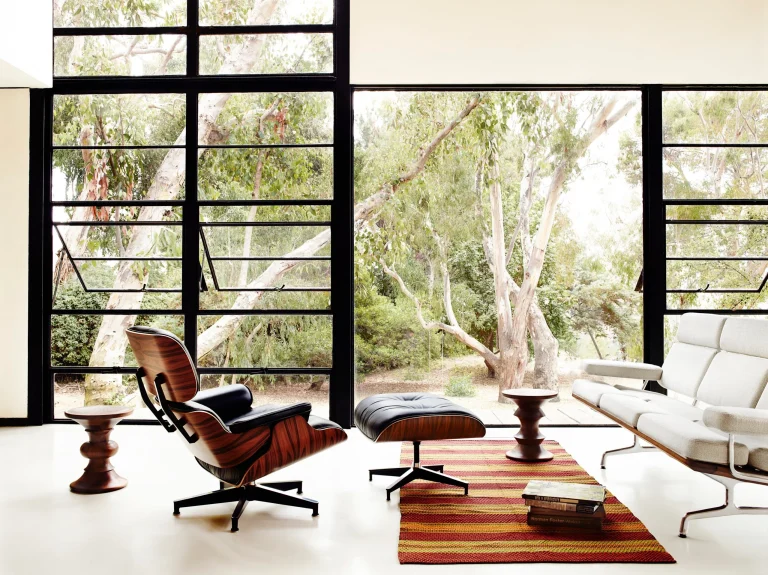
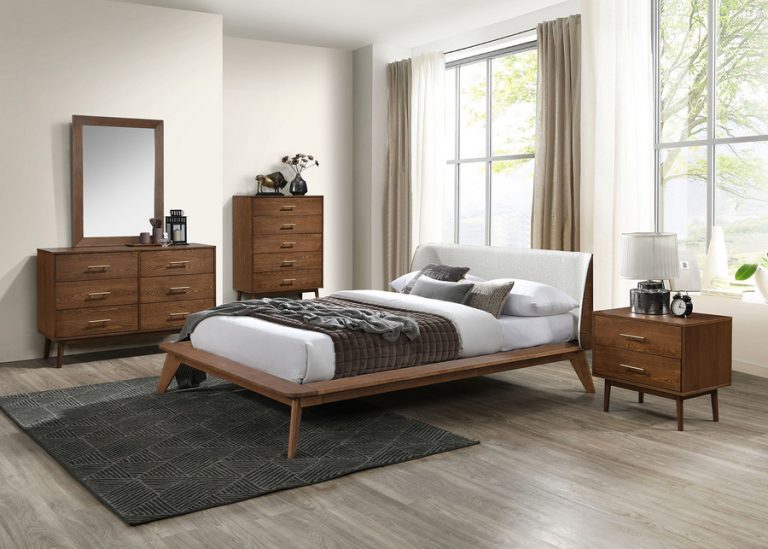
| Mid-Century Modern | Tapered legs, organic curves, and natural wood veneers (teak/walnut). | Living rooms; formal lounges; home offices. | Moderate to High |
| Minimalist | Monochromatic palettes; hidden hardware; “invisible” joints. | Urban lofts; high-end professional suites. | High |
| Industrial | Raw materials (steel/concrete/reclaimed wood); exposed fasteners. | Loft apartments; creative studios; open basements. | Moderate |
| Modular / System | Interchangeable units that can be expanded or reconfigured. | Small apartments; growing family rooms; libraries. | Moderate |
| Scandinavian | Focus on light woods, high functionality, and “Hygge” comfort. | General domestic use; nurseries; bright spaces. | Low to Moderate |
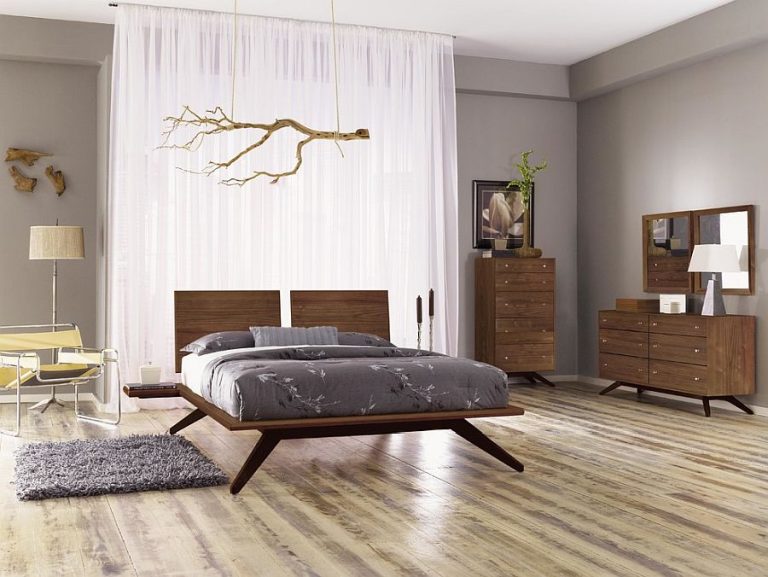
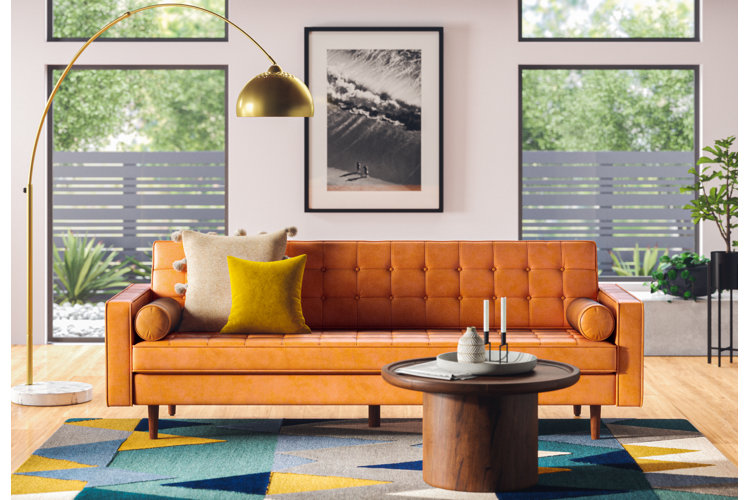
Choosing between these categories requires an assessment of the architectural context. For instance, Industrial furniture often requires the high ceilings and exposed structural elements of a loft to feel cohesive, whereas Scandinavian styles are highly effective in low-light environments because the light-colored woods (ash/birch) reflect more ambient light.
Practical Scenarios or Thematic Applications
Scenario 1: The Multi-Functional Urban Apartment
In urban environments where square footage is limited, the furniture must perform “double duty” to maximize utility without overcrowding the space.
-
Components: Sofa-beds with internal storage, nesting tables, and wall-mounted “floating” desks.
-
Steps: Measure the “circulation path” to ensure 36 inches of clearance; prioritize vertical storage; select pieces with “peg legs” to show more floor space.
-
Relevance: This scenario is critical for preventing “spatial crowding,” ensuring that a small unit remains functional for both work and rest.
Scenario 2: The “Great Room” Open Floor Plan
A large space that combines the kitchen, dining, and living areas into one continuous zone requires furniture that defines “rooms” without using walls.
-
Components: Sectional sofas used as room dividers, large-scale area rugs, and statement pendant lighting.
-
Steps: Use a “low-profile” sofa to maintain sightlines across the room; anchor different zones with specific rug textures; ensure material consistency (e.g., matching wood undertones).
-
Relevance: This application demonstrates how all modern furniture can create boundaries through visual weight and placement rather than physical barriers.
Scenario 3: The Ergonomic Professional Home Office
Focuses on individual productivity and musculoskeletal health within a residential setting.
-
Components: Height-adjustable desks, task chairs with lumbar support, and acoustic felt dividers.
-
Steps: Position the desk perpendicular to window light to reduce glare; ensure the monitor is at eye level; utilize modular “shelving-as-art.”
-
Relevance: As residential spaces become primary workplaces, the furniture must bridge the gap between “home comfort” and “industrial safety standards.”
Comparison: Scenario 1 focuses on spatial efficiency; Scenario 2 on social flow; Scenario 3 on individual health. Readers should choose their furniture based on whether they prioritize entertaining (Scenario 2) or personal utility (Scenario 1 & 3).
Planning, Cost, and Resource Considerations
Preparation is vital because modern furniture often relies on precise geometry. Planning must account for “visual weight” as much as physical dimensions.
Sample Furniture Budget Table (Example Figures)
| Category | Estimated Amount | Explanation | Optimization Tips |
| Hero Piece (Sofa) | $1,500 – $5,000 | The primary anchor of the room; requires high durability. | Select high-rub count performance fabrics. |
| Hard Goods (Tables) | $400 – $1,200 | Wood or stone surfaces; requires structural stability. | Use wood veneers over solid wood to reduce cost. |
| Storage (Modular) | $300 – $1,000 | Shelving units and media consoles. | Use “floating” wall-mounts to save floor space. |
| Lighting/Accents | $200 – $600 | Lamps and side chairs. | Prioritize high-CRI LED bulbs to preserve wood colors. |
Note: Figures are illustrative examples and will vary based on brand, material origin, and geographic shipping costs.
Strategies, Tools, and Support Options
The successful implementation of a modern interior relies on specific design strategies and support mechanisms.
-
The 60-30-10 Rule: A color and material strategy where 60% of the room is a neutral base, 30% is a secondary material (like wood), and 10% is an accent (like metal).
-
Floor Plan Mock-ups: Using painter’s tape on the floor to visualize the “reach envelope” of a chair or table before purchase.
-
Material Swatching: Testing fabric and wood samples under the specific “Color Temperature” (Kelvins) of the room’s lighting.
-
Modular Anchoring: Using anti-tip hardware to secure tall contemporary shelving—a necessity for safety in minimalist designs with thin profiles.
Safety, Risks, and Common Challenges
-
The “Museum” Trap: Creating a space that is aesthetically perfect but physically uncomfortable. Prevention: Always prioritize the “seat depth” and “back angle” over the visual silhouette.
-
Material Delamination: Low-quality veneers can peel if exposed to humidity. Risk: Common in budget-tier furniture. Mitigation: Ensure “edge banding” is applied with high-heat adhesive.
-
Weight Imbalance: Thin-legged modern tables can be “top-heavy.” Prevention: Check the “center of gravity” and ensure the base-to-top ratio is at least 1:3 for stability.
-
Formaldehyde Emissions: Some composite wood products (MDF) release gases. Safety: Look for “CARB Phase 2” or “Greenguard Gold” compliant furniture to ensure indoor air quality.
Maintenance, Best Practices, and Long-Term Management
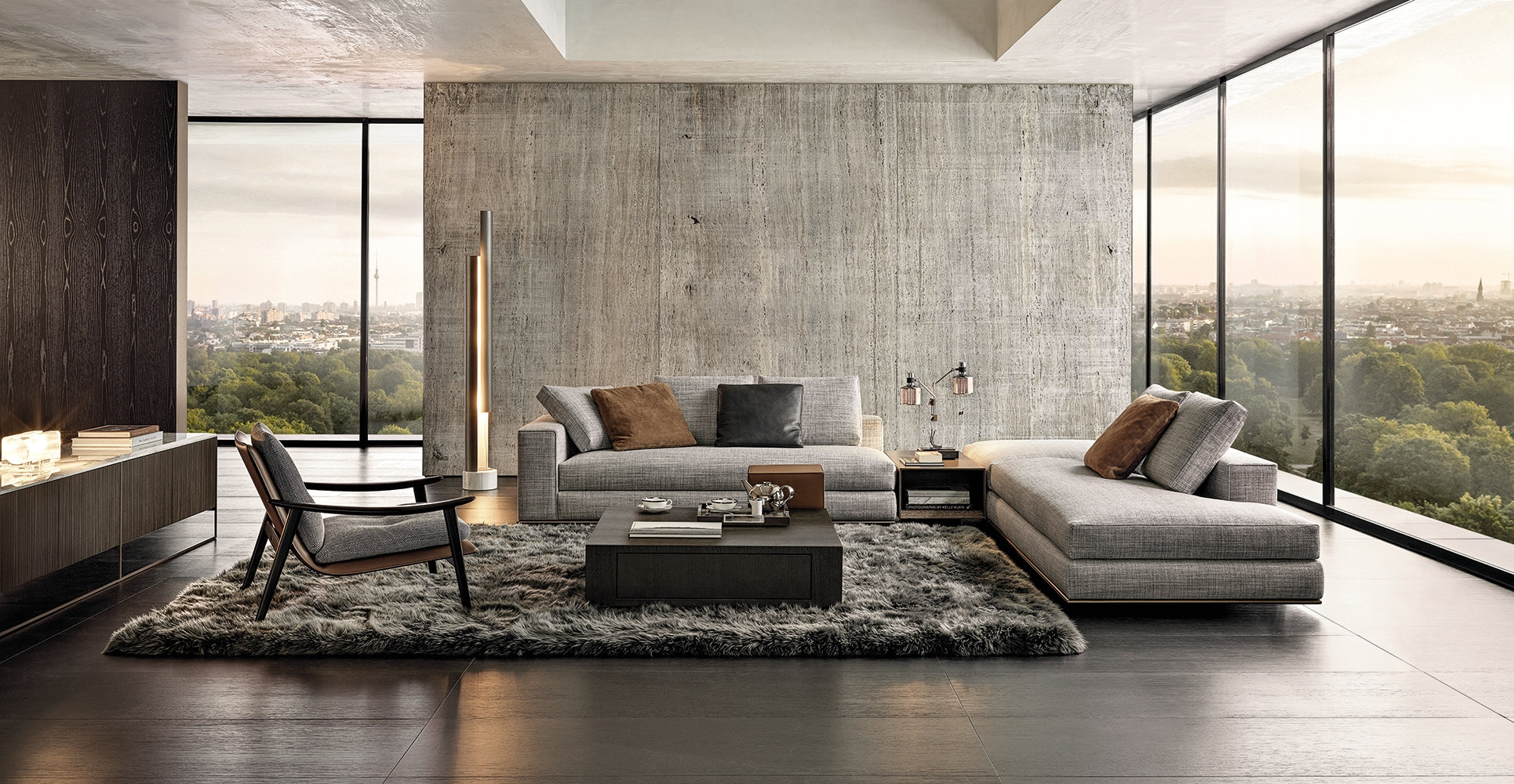
Preserving all modern furniture requires specific protocols based on the material science of each piece.
-
Wood Surfaces: Modern finishes (like UV-lacquer or Danish oil) do not require heavy waxes.
-
Best Practice: Use a soft microfiber cloth; avoid silicone-based sprays which create a “sticky” buildup.
-
-
Performance Fabrics: Contemporary textiles are often treated with hydrophobic coatings.
-
Best Practice: Blot spills immediately; do not scrub, as scrubbing can break the protective fibers.
-
-
Joint Integrity: Modern “KD” (Knock-Down) furniture often uses cam-locks or hex-bolts.
-
Best Practice: Perform a “bolt-tighten” check every 12 months, as seasonal expansion of wood can loosen fasteners.
-
-
Sun Exposure: UV rays can yellow white plastics and bleach dark walnuts.
-
Best Practice: Use UV-protective window film or rotate furniture annually to ensure even aging.
-
Documentation and Reporting
For high-value contemporary collections, documenting provenance and care is essential for insurance and resale.
Tips for Organizing Information:
-
Material Registry: Note the fabric rub-count (Double Rubs), wood species, and finish type for each piece.
-
Assembly Manuals: Digital copies of hex-bolt sizes and part numbers are vital for future repairs.
Illustrative Examples:
-
Insurance Management: A homeowner records the serial number of a licensed Mid-Century reproduction chair to ensure the replacement value is accurately calculated in the event of loss.
-
Facility Log: A commercial office records the cleaning date of its ergonomic task chairs to track the lifespan of the pneumatic lifts.
FAQ
Q: Is “Modern” furniture the same as “Contemporary”?
A: No. “Modern” refers to a specific historical period (approx. 1900–1960s). “Contemporary” refers to what is popular right now, though contemporary styles often borrow from modern principles.
Q: How can I tell if a modern wood table is “real”?
A: Check the edges. If the grain follows the curve of the edge, it is likely solid wood. If you see a thin line where the grain pattern changes abruptly, it is a veneer over a composite core.
Q: Why is some modern furniture so expensive?
A: The cost is usually driven by “joinery” (how pieces fit together). Hidden or seamless joints require higher-precision CNC machining and artisanal hand-finishing.
Closing Summary
Modern furniture is an intersection of architectural theory and human ergonomics. By prioritizing the “honesty of materials”—whether that be the strength of cold-rolled steel or the warmth of walnut—contemporary design creates spaces that are efficient, hygienic, and visually expansive. Success in furnishing a modern home relies on a strategic balance of “hero pieces,” modular flexibility, and a commitment to long-term maintenance that respects the physical properties of each object.