The Eames Chair Guide: Design History, Engineering, and Care
The Comprehensive Guide to the Eames Chair
The Eames chair represents one of the most significant achievements in 20th-century industrial design. Created by the husband-and-wife team Charles and Ray Eames, these seating solutions emerged from a desire to apply mass-production technology to high-quality, ergonomic furniture. By experimenting with materials like molded plywood, fiberglass, and cast aluminum, the Eameses shifted the paradigm of furniture from heavy, upholstered ornaments to lightweight, sculptural objects that follow the natural contours of the human body.
This guide serves as a neutral, educational resource for understanding the technical and historical importance of these chairs. It explores the engineering breakthroughs that made them possible, the various categories that define the collection, and the practical logistical considerations for planning and maintaining such furniture in a contemporary setting. Readers will gain a textbook-quality understanding of how to evaluate these pieces based on material science, ergonomic intent, and structural integrity.

Overview of the Eames Chair
The core concept of the eames chair is rooted in the philosophy of “the guest-host relationship,” where the designer anticipates the needs of the user. Central to their work was the development of molded plywood technology. During World War II, the Eameses developed leg splints for the U.S. Navy using heat and pressure to bend wood into complex, compound curves. After the war, they applied this “molding” technique to furniture, creating chairs that offered anatomical support without the need for thick padding.
People commonly approach these designs with the goal of achieving “visual lightness” in a room. Unlike traditional furniture that blocks sightlines, an eames chair often utilizes thin wire bases or slender wooden legs to keep the floor space visible, making environments feel larger. The typical outcome is a seating solution that is durable enough for daily use but functions as a sculptural element. In the modern era, these chairs are recognized for their “honesty in materials,” where the structural fasteners and raw finishes are left exposed rather than hidden.
Key Categories and Technical Variations
The Eames collection is categorized by the material used for the seat shell and the specific intended function of the piece.
Eames Design Category Table
| Category / Type | Description | Common Use Case | Effort / Cost Level |
| Molded Plywood (LCW/DCW) | All-wood construction using 5-ply veneers. | Living rooms; dining areas. | Moderate |
| Plastic/Fiberglass Shell | Single-piece molded bucket seat with various bases. | Kitchens; cafes; home offices. | Low to Moderate |
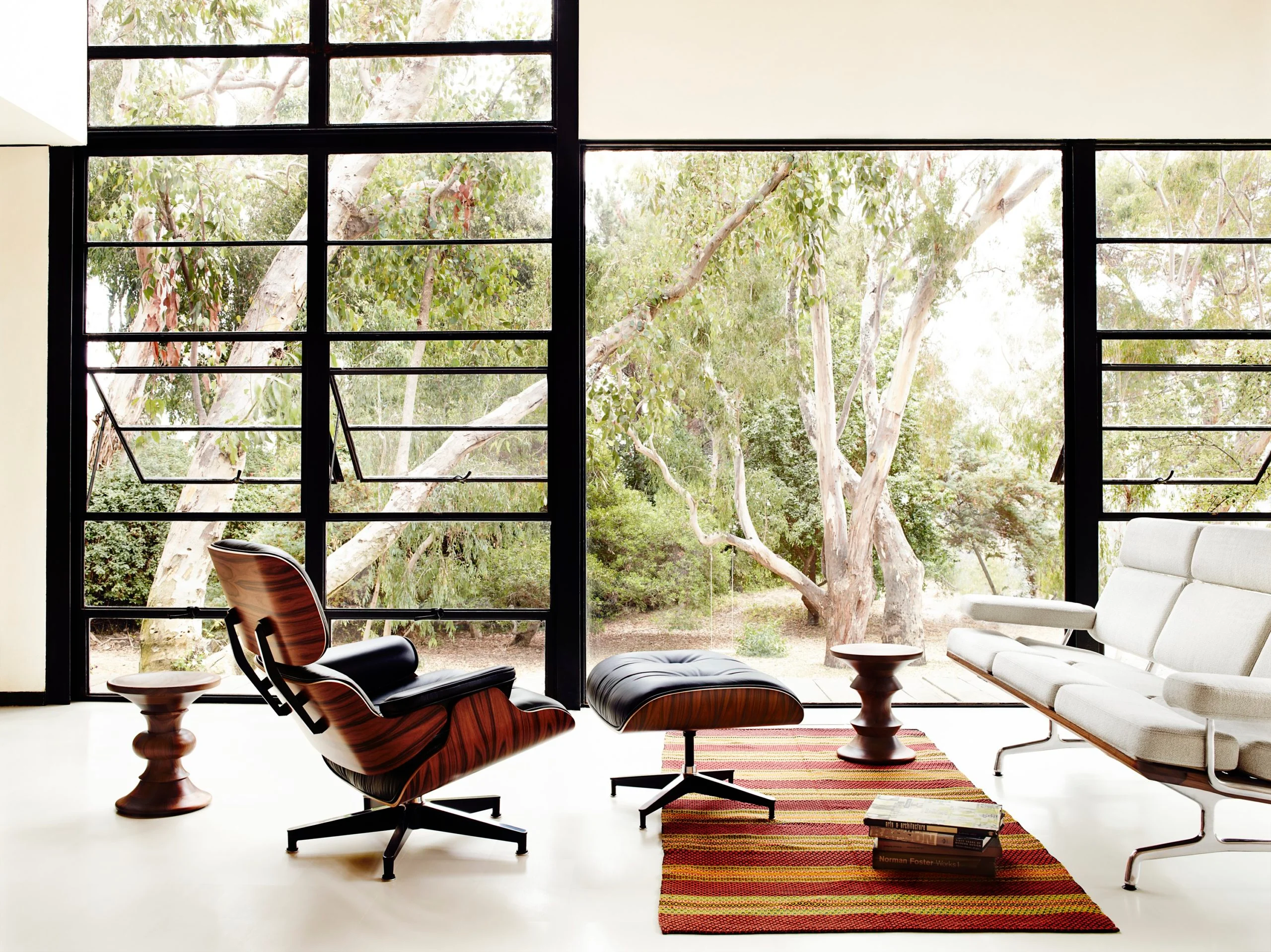
| Lounge Chair & Ottoman | Plywood shells with leather cushions and aluminum base. | Reading nooks; executive suites. | High |
| Aluminum Group | Stretched fabric or leather over an aluminum frame. | Conference rooms; home offices. | Moderate to High |
| Wire Chair | Cross-woven steel wire with optional “bikini” pads. | Minimalist terraces; dining rooms. | Moderate |
Choosing between these categories requires an assessment of the environment’s traffic and the duration of use. The Molded Plywood series (LCW/DCW) is ideal for short-duration seating in social areas, whereas the Aluminum Group and Lounge Chair prioritize long-term comfort through tension-based support and high-density upholstery.
Practical Scenarios or Thematic Applications
Scenario 1: The High-Traffic Dining Environment
Focuses on the durability and “washability” of the seating, especially in homes with families or in commercial cafes.
-
Components: Molded Plastic Side Chairs (DSW/DSR), polypropylene shells, and chrome wire bases.
-
Steps: Measure table clearance (typically 10-12 inches from seat to table underside); choose a matte finish to reduce visible scratches; ensure “glides” (feet) are compatible with the floor type.
-
Relevance: The single-piece shell design has no joints to collect debris, making it one of the most hygienic seating options in modern design.
Scenario 2: The Executive or Home Office
Prioritizes ergonomic posture and a professional aesthetic during long periods of cognitive work.
-
Components: Aluminum Group Management Chair, pneumatic lift, and 5-star swivel base.
-
Steps: Adjust the seat height so feet are flat on the floor; position the lumbar curve of the stretched fabric to the small of the back; utilize “glides” rather than wheels for hard-surface stability.
-
Relevance: This scenario utilizes the “continuous sling” support system, which distributes weight without the pressure points common in foam-based task chairs.
Scenario 3: The Dedicated Reading Nook
Focuses on “passive ergonomics,” where the chair is angled to put the body in a state of total relaxation.
-
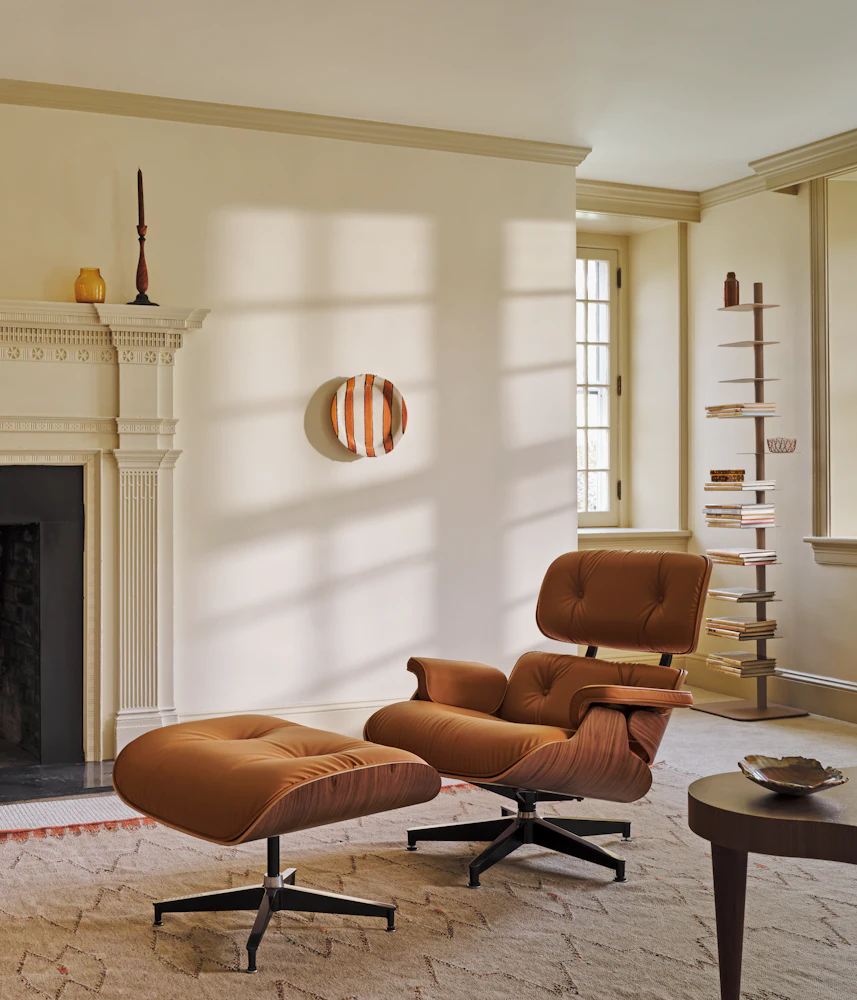
Components: Eames Lounge Chair (670) and Ottoman (671), rosewood or walnut veneers, and leather.
-
Steps: Position the chair at a 15-degree permanent recline; ensure adequate lighting for reading; provide 360-degree clearance for the swivel base.
-
Relevance: This demonstrates the “English Club Chair” update, providing high-end comfort while maintaining a modern, thin profile.
Comparison: Scenario 1 focuses on utility and hygiene; Scenario 2 on ergonomic productivity; Scenario 3 on passive relaxation. Readers should select their chair based on whether the primary activity is task-oriented or leisure-oriented.
Planning, Cost, and Resource Considerations
Preparation is vital because an authentic eames chair is an investment in material longevity. Budgeting must account for the difference between licensed reproductions (Herman Miller/Vitra) and vintage originals.
Sample Planning & Budget Table
| Category | Estimated Amount | Explanation | Optimization Tips |
| Shell Chair (New) | $400 – $900 | High-quality polypropylene or fiberglass. | Select “Wire Bases” to save on timber costs. |
| Plywood Series (New) | $900 – $1,800 | Complexity of the 5-ply molding process. | Choose Ash or Maple over Walnut for value. |
| Lounge & Ottoman | $6,000 – $8,000 | Premium leather and specialized joinery. | Consider “Tall” vs “Standard” sizing for fit. |
| Vintage Pieces | $200 – $5,000+ | Value depends on rarity and condition. | Check for “Shock Mount” integrity before buying. |
Note: Figures are illustrative examples and will vary based on regional markets and material finishes.
Strategies, Tools, and Support Options
The successful integration of these chairs relies on specific technical strategies to ensure they function safely within a space.
-
Shock Mount Technology: The use of rubber mounts to connect the wood/plastic shells to the metal/wood frames.
-
Advantages: Provides “flex” and prevents the material from snapping under the weight of a sitter.
-
Disadvantages: The adhesive can dry out and fail after 20-30 years.
-
-
Base Interchangeability: Many Eames shells can be swapped between “Dowel” (wood), “Eiffel” (wire), and “4-leg” bases.
-
Advantages: Allows the user to update the look without buying a new seat.
-
Disadvantages: Requires specific mechanical knowledge to ensure bolts are torqued correctly.
-
-
Floor Glides: Interchangeable feet at the bottom of the chair legs.
-
Advantages: Specialized felt glides protect wood floors; plastic glides protect carpets.
-
Disadvantages: They are a “wear item” that must be replaced as they thin out.
-
-
Upholstery Slings: In the Aluminum Group, the fabric is the structure.
-
Advantages: Highly breathable and conforms perfectly to the body.
-
Disadvantages: Cannot be “re-stuffed” like a traditional cushion if it sags.
-
Safety, Risks, and Common Challenges
-
Adhesive Failure (Shock Mounts): The most common risk in vintage Eames chairs is the rubber mounts detaching from the shell. Issue: The seat may fall off the base suddenly. Prevention: Inspect joints annually for gaps or brittle rubber.
-
Authenticity and Fraud: Many “imitation” chairs lack the structural thickness of the original. Risk: Snapping of the legs or cracking of the shell. Mitigation: Look for the Herman Miller or Vitra label/medallion under the seat.
-
Fiberglass Bloom: Vintage fiberglass chairs may develop a “hazy” or “dusty” surface as the resin ages. Issue: Can irritate skin or look dull. Mitigation: Apply a light coat of high-quality wax to “seal” the fibers.
-
Floor Damage: Metal “Eiffel” bases can scratch wood if the plastic feet are missing. Prevention: Ensure all legs have intact glides before placing on hard surfaces.
Maintenance, Best Practices, and Long-Term Management
Ongoing management determines whether an eames chair remains a functional asset or becomes a repair liability.
-
Wood Management: Plywood veneers can dry and crack.
-
Checklist: Clean with a soft, damp cloth only; avoid citrus-based oils which can dissolve the original finish; keep out of direct 100% sunlight to prevent UV fading.
-
-
Leather Conditioning: The leather used in Lounge chairs requires moisture.
-
Checklist: Apply a pH-neutral leather conditioner every 6–12 months; avoid “all-in-one” cleaners that contain harsh chemicals.
-
-
Fastener Tension: The bolts connecting the base to the shell can loosen with the vibration of use.
-
Checklist: Perform a “quarter-turn” check with a hex key or screwdriver once a year. Do not over-tighten, as this can crush the plywood.
-
-
Plastic Care: Modern polypropylene is prone to static and dust.
-
Checklist: Use a microfiber cloth with a very dilute soap solution; avoid abrasive “scrub” pads.
-
Documentation and Reporting

For collectors and facility managers, documenting the provenance of an eames chair is essential for insurance and resale value.
Tips for Organizing Information:
-
Identify the Generation: Check the labels. Black-and-white paper labels usually denote early production (1950s), while embossed medallions represent modern production.
-
Log Repairs: If shock mounts are replaced, document the adhesive used (epoxy vs. urethane).
Illustrative Examples:
-
Inventory Management: A corporate office manager logs the “Date of Purchase” for 50 Aluminum Group chairs to track the 12-year warranty provided by the manufacturer.
-
Vintage Restoration: A collector photographs the “Patent Label” on the bottom of a fiberglass shell, ensuring that when they sell the piece, the buyer has proof of its mid-century origin.
FAQ
Q: Are Eames chairs comfortable for long-term sitting?
A: This depends on the model. The Lounge Chair and Aluminum Group are designed for long durations. The Molded Plywood (LCW) and Plastic shells are “active” chairs intended for dining or short tasks.
Q: Why are they so expensive?
A: The cost is a reflection of the licensing (Herman Miller/Vitra), the high-grade materials (7-ply walnut, top-grain leather), and the specialized labor required to mold wood and aluminum to such high tolerances.
Q: Can I use an Eames chair outdoors?
A: Only if specifically rated for it. Most Eames designs are indoor-only because the plywood will delaminate and the aluminum will oxidize when exposed to moisture.
Closing Summary
The eames chair remains a pillar of modern industrial design because it successfully harmonizes the requirements of the human body with the capabilities of mass-production machinery. From the breathable tension of the Aluminum Group to the organic warmth of the Molded Plywood series, these chairs offer a functional solution for a variety of architectural scenarios. Success in owning and planning with these pieces relies on an understanding of their structural “shock mount” system, a commitment to maintaining natural wood and leather, and the ability to distinguish authentic engineering from aesthetic imitations.