Stone Fabricators Guide: Industrial Processes, Selection, and Standards
The Comprehensive Guide to Stone Fabricators
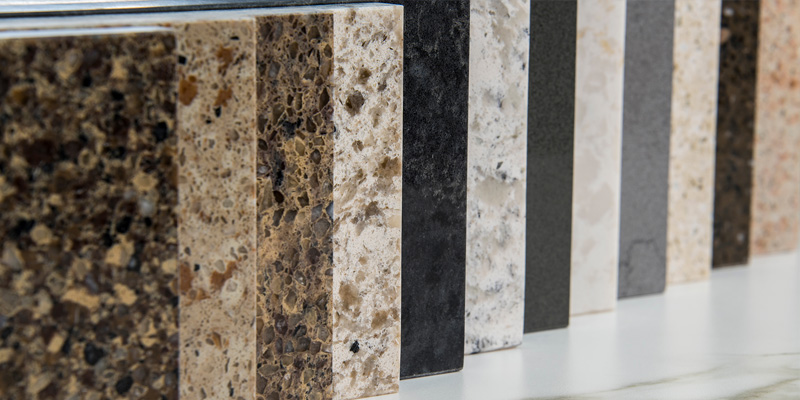
Stone fabrication is a specialized industrial trade that sits at the intersection of geology, engineering, and architectural design. It involves the precise transformation of raw, high-mass mineral slabs—such as granite, marble, quartzite, or engineered composites—into finished functional components like countertops, wall cladding, and flooring. Because natural and engineered stones are inherently heavy, brittle, and difficult to modify once cut, the role of the fabricator is critical in ensuring that the material is processed with the mathematical accuracy required to fit into a specific architectural environment.
Understanding the operational standards and technical requirements of these professionals is essential for successful project management. This guide provides a neutral, detailed overview of how stone surfaces are measured, cut, shaped, and installed. Readers will gain insight into the various technological approaches used in modern shops, the logistical complexities of working with high-density materials, and the practical steps necessary to plan a budget and maintain the finished product for long-term durability.
Overview of Stone Fabricators
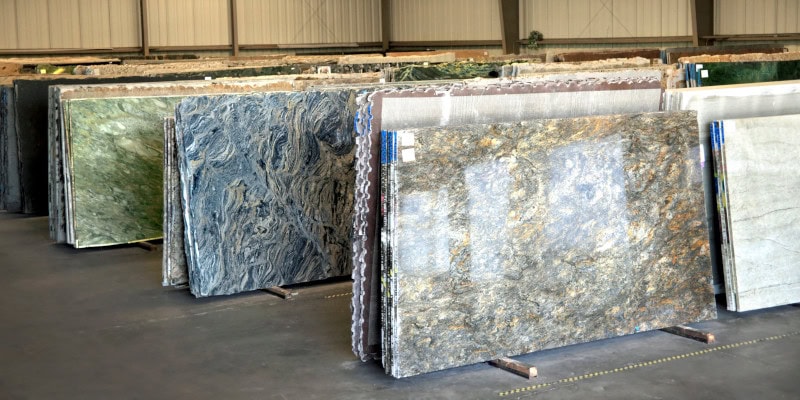
The core concept of stone fabricators involves a multi-stage manufacturing process known as the “slab-to-surface” pipeline. Professionals in this field take raw slabs—typically 2cm or 3cm in thickness—and utilize specialized industrial equipment to execute a series of high-precision tasks. These include templating (creating a digital or physical map of the installation space), cutting (using waterjets or diamond saws), edge profiling (shaping the visible borders), and finishing (polishing or honing the surface).
People commonly approach fabricators either through a direct retail relationship or as a subcontracted part of a larger construction project. The typical goal is to achieve a custom fit that accounts for the inherent irregularities of a building’s structure, such as walls that are not perfectly square or cabinets that are slightly unlevel. The expected outcome is a structurally sound, aesthetically cohesive surface that maximizes the natural beauty of the stone while adhering to strict safety and hygiene standards.
Key Categories of Fabrication Facilities
Not all fabrication shops utilize the same technology or scale. Facilities are generally categorized by their level of automation and the specific materials they specialize in processing.
Fabrication Facility Comparison Table
| Category / Type | Description | Common Use Case | Effort / Cost Level |
| Fully Automated CNC Shop | Utilizes Computer Numerical Control machinery for all cuts and profiles. | High-volume residential; complex geometric designs. | High |
| Manual / Traditional Shop | Relies on bridge saws and hand-polishing tools operated by technicians. | Historic restorations; small-scale boutique projects. | Moderate |
| Boutique Artisan Shop | Focuses on rare, fragile stones (e.g., Onyx, Soapstone) and hand-carving. | Luxury custom furniture; unique architectural features. | Very High |
| Commercial Contractor | Specialized in mass-producing standardized units. | Hotels; multi-unit apartment complexes; hospitals. | Moderate |
| Prefabricated Installer | Modifies pre-cut stone “blanks” rather than full custom slabs. | Rental property updates; budget-conscious renovations. | Low to Moderate |
Choosing between these providers requires balancing the project’s complexity against the facility’s technical capabilities. An automated CNC shop offers the highest level of repeatability and precision for complex sink cutouts and mitered edges, whereas a manual shop may offer more flexibility for artistic, non-standard adjustments on-site.
Practical Scenarios or Thematic Applications
Scenario 1: The Bespoke Residential Kitchen
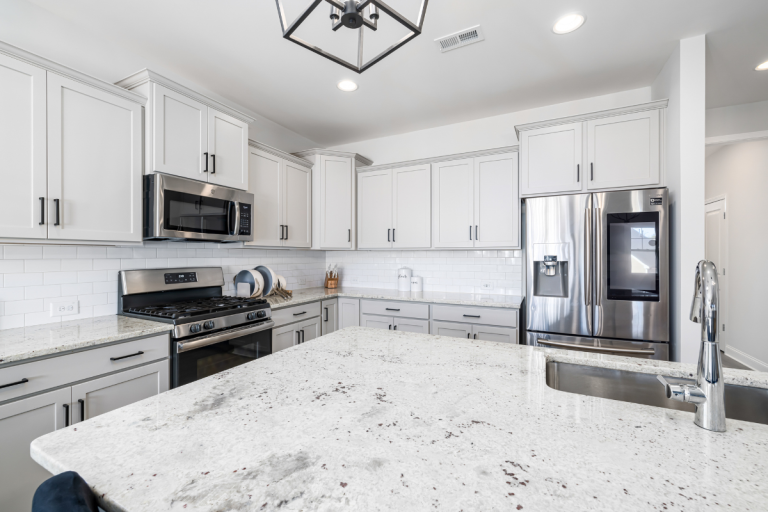
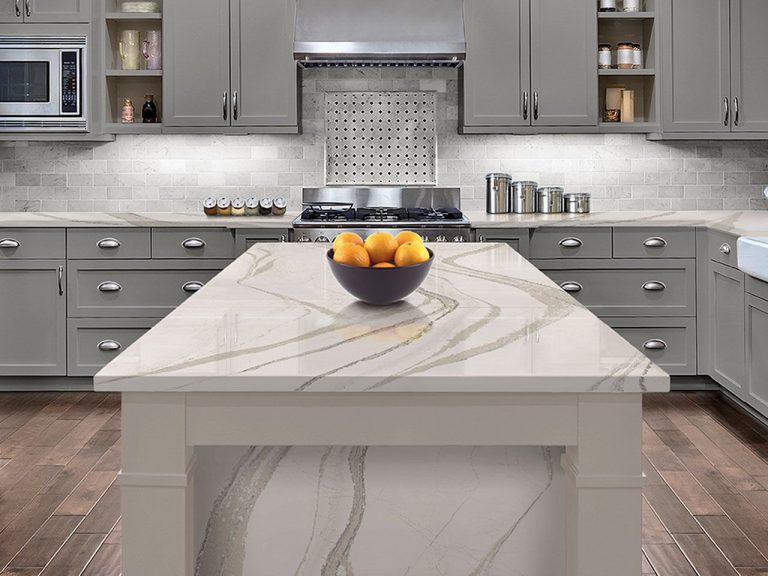
In a high-end residential setting, the fabricator must manage large-scale “vein-matching” where the pattern of a natural stone flows seamlessly from a horizontal counter to a vertical “waterfall” edge.
-
Components: 3cm Quartzite slabs, book-matched seams, and mitered aprons.
-
Steps: Digital slab photography, software-aided vein alignment, and precision 45-degree cutting.
-
Relevance: This scenario requires stone fabricators to have advanced digital imaging capabilities to ensure the geological pattern is not interrupted at the joints.
Scenario 2: High-Traffic Commercial Lobby
Commercial environments require large-format wall cladding or flooring that can withstand significant foot traffic and structural vibration.
-
Components: 2cm Granite or Sintered Stone, mechanical anchors, and expansion joints.
-
Steps: Precision drilling for anchor points, substrate reinforcement, and high-strength epoxy bonding.
-
Relevance: The focus here is on structural safety and the ability to install heavy stone vertically without risk of detachment.
Scenario 3: Specialized Healthcare Laboratory
Medical facilities require surfaces that are non-porous, chemically inert, and shaped to prevent the accumulation of contaminants.
-
Components: Non-porous engineered stone or soapstone, coved backsplashes, and integrated basins.
-
Steps: Creating a continuous “radius” between the counter and the wall, specialized seaming, and chemical-resistance testing.
-
Relevance: This demonstrates the role of the fabricator in public health, ensuring there are no gaps or sharp angles where bacteria can harbor.
Comparison: Scenario 1 prioritizes aesthetic continuity; Scenario 2 focuses on mechanical engineering and safety; Scenario 3 emphasizes hygiene and chemical utility.
Planning, Cost, and Resource Considerations

Planning is the most vital stage because once a stone slab is cut, it cannot be “un-cut.” Preparation involves verifying the structural integrity of the cabinetry and the accessibility of the installation site.
Sample Project Budget Table (Example Figures)
| Category | Estimated Amount / Effort | Explanation | Optimization Tips |
| Material (Slabs) | $50 – $150 per sq. ft. | Cost varies by stone rarity and country of origin. | Select “standard” or high-inventory colors to save. |
| Templating Fee | $150 – $300 | Professional digital scan of the cabinetry area. | Ensure all cabinets are finalized before the scan. |
| Fabrication Labor | $20 – $50 per linear ft. | The cost of cutting, edge profiling, and sink holes. | Choose simple edge profiles (e.g., Eased) to lower labor. |
| Installation | $500 – $1,500 | Transportation and secure on-site placement. | Clear the delivery path to minimize labor surcharges. |
Note: Figures are illustrative examples and will vary based on regional labor rates and material complexity.
Strategies, Tools, and Support Options
Modern stone fabricators rely on a combination of digital and mechanical strategies to manage the weight and brittleness of the material.
-
Laser Templating: Using digital scanners to create a CAD file of the room.
-
Advantages: Captures wall “waves” and non-square corners with 1/16-inch accuracy.
-
Disadvantages: Requires significant equipment investment.
-
-
Waterjet Cutting: A computer-controlled machine that uses high-pressure water and abrasive garnet to slice the stone.
-
Advantages: Prevents the heat-related cracking seen with standard saws; allows for intricate shapes.
-
Disadvantages: Slower than bridge saws; high utility consumption.
-
-
Vacuum Seam Setters: Suction-based tools that pull two slabs together during installation.
-
Advantages: Makes seams nearly invisible and ensures the two pieces are perfectly level.
-
Disadvantages: Requires manual operation and skilled oversight.
-
-
A-Frame Transport: Specialized racks that keep the stone in a vertical orientation during transit.
-
Advantages: Protects the stone from “flat-panning” or snapping under its own weight.
-
Disadvantages: Requires specialized vehicles and rigging equipment.
-
Safety, Risks, and Common Challenges
-
Inaccurate Templating: If the cabinets move or the walls are finished after the template is taken, the stone will not fit. Mitigation: Finalize all structural elements before the fabricator arrives.
-
Silica Dust Exposure: Cutting stone creates hazardous crystalline silica dust. Mitigation: Professional shops must use “wet-cutting” methods and high-grade respiratory filtration to protect workers.
-
Structural Failure: Stone is heavy (18–25 lbs/sq ft). If cabinets are unlevel or weak, the stone can snap. Mitigation: Perform a “level check” on all base cabinets and reinforce large overhangs with steel brackets.
-
Natural Fissures: Natural stones have microscopic separations. If handled incorrectly, these can become cracks. Mitigation: Ensure the fabricator performs a thorough slab inspection for structural defects before cutting.
Maintenance, Best Practices, and Long-Term Management
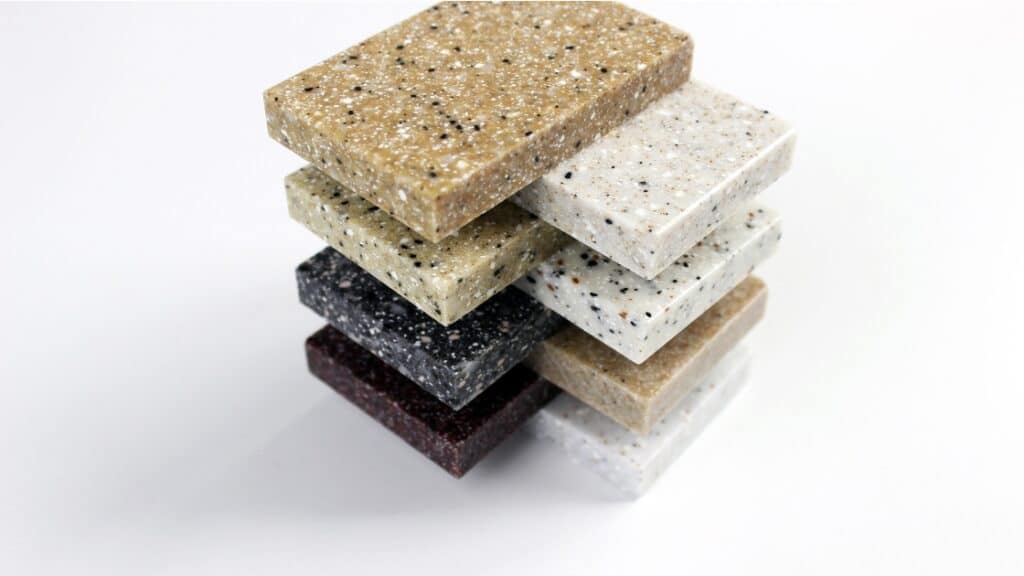
The longevity of a stone installation is determined by the transition from industrial processing to daily management.
-
Checklist for Ongoing Best Practices:
-
Daily: Clean with a pH-neutral stone cleaner. Avoid vinegar, lemon juice, or bleach, which can etch the minerals or strip the sealer.
-
Annual: Perform a “water test.” Place a tablespoon of water on the surface; if it soaks in within 10 minutes, the stone must be resealed.
-
Periodic: Inspect the silicone caulking at the sink and backsplash. If the caulk peels, moisture can rot the cabinetry below.
-
Preventative: Use trivets for heat and cutting boards for blades. Even “scratch-resistant” stone can be dulled by metal or suffer thermal shock from extreme temperature changes.
-
Documentation and Reporting
For large-scale or high-value projects, documenting the specific material data is standard professional practice.
Tips for Organizing Information:
-
Batch/Lot Numbers: Retain the specific identification numbers for your slabs. If a piece is damaged years later, having this data helps in sourcing a color-matched replacement.
-
Slab Photographs: High-resolution photos of the raw slabs help in identifying natural fissures vs. post-installation cracks.
Illustrative Examples:
-
Warranty Management: A homeowner saves the “Care and Use” document provided by the fabricator, ensuring they follow only approved cleaning protocols to keep the stone’s 15-year limited warranty valid.
-
Facility Log: A commercial property manager records the sealing dates for 100 hotel bathrooms to ensure a standardized maintenance schedule and prevent moisture-related structural damage.
Closing Summary
The work of stone fabricators is essential for transforming raw earth minerals into precise architectural elements. By utilizing advanced technologies like laser templating and waterjet cutting, these professionals ensure that heavy, rigid slabs can be safely integrated into modern buildings. Success in a stone project relies on careful facility selection, structural preparation of the installation site, and a commitment to long-term maintenance based on the specific mineralogy of the chosen stone.