White Colored Granite Countertops: Geological Properties and Guide
The Comprehensive Guide to White Colored Granite Countertops
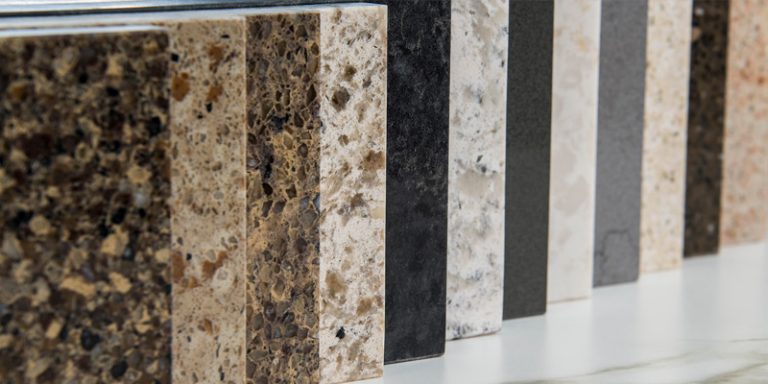
Granite is a coarse-grained igneous rock formed by the slow crystallization of magma below the Earth’s surface. In the architectural world, “white” granite refers to slabs that possess a predominantly light-colored background, typically composed of white feldspar and clear quartz. Because pure white granite does not exist in nature, these slabs are defined by their intricate blend of secondary minerals—such as black biotite, silver mica, or red garnets—which create the unique speckling and veining that characterize natural stone.
Understanding the technical attributes and logistical requirements of these surfaces is essential for successful interior planning. This guide provides a neutral, detailed overview of the various geological categories of light-colored stone, the practicalities of the fabrication process, and the specific maintenance protocols required for lighter minerals. Readers will learn how to evaluate material quality, plan for budgetary and structural needs, and mitigate common risks associated with the porosity and mineral sensitivity of natural stone slabs.
Overview of White Colored Granite Countertops
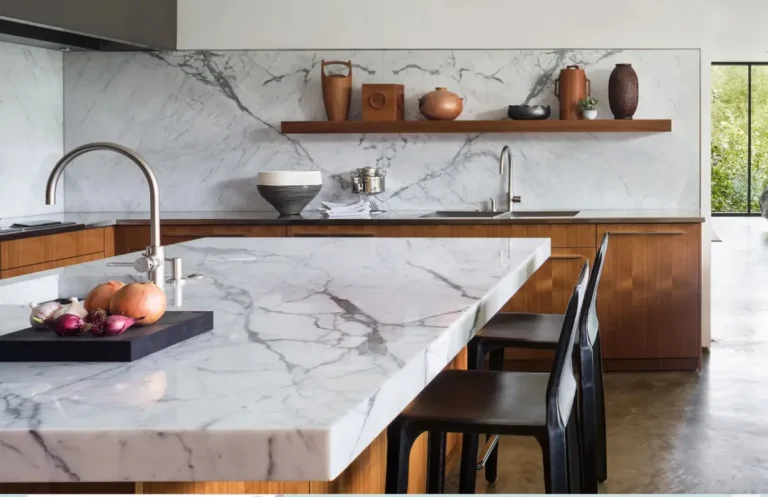
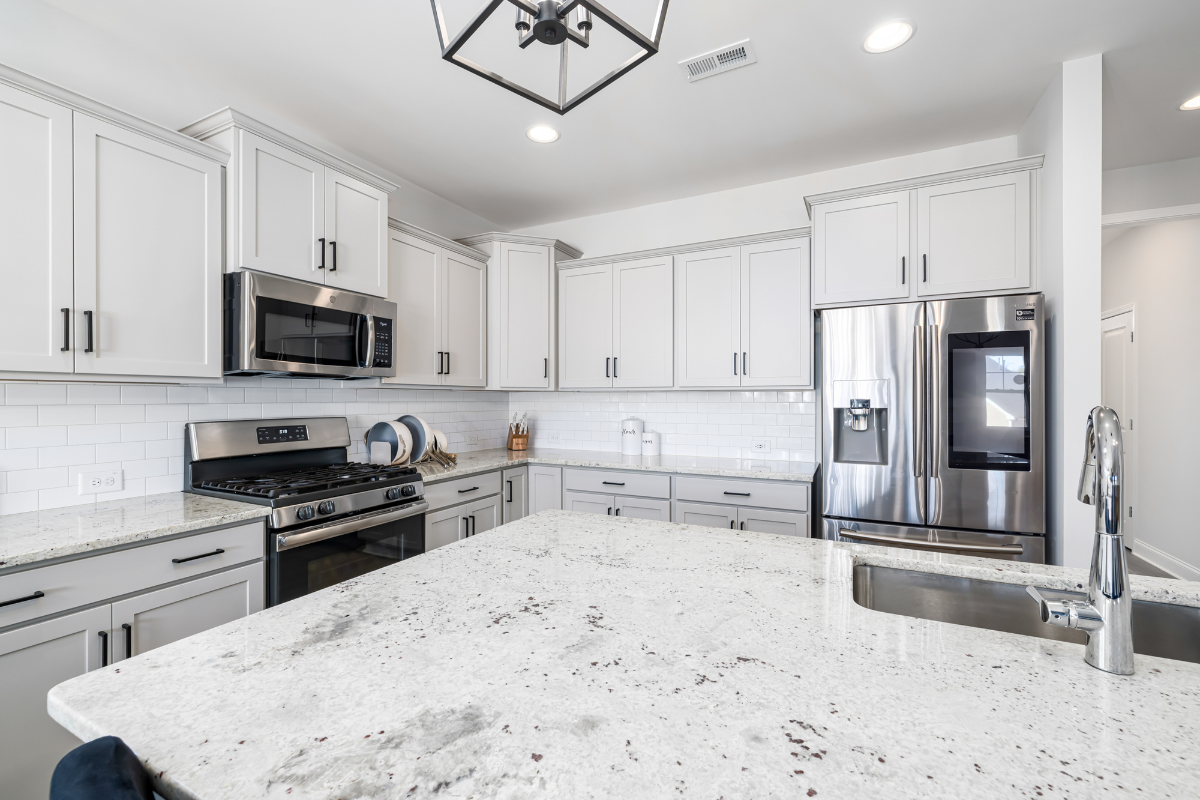
The core concept of white colored granite countertops involves the extraction of felsic igneous rock from quarries worldwide, including major sources in Brazil, India, and Italy. Geologically, these rocks must contain a high percentage of plagioclase feldspar to achieve their light appearance. Unlike engineered surfaces, natural white granite provides a “living” aesthetic; the patterns are the result of millions of years of tectonic activity and mineral cooling, ensuring that no two installations are identical.
People commonly approach these materials when seeking the brightness and neutrality of a white surface without sacrificing the heat resistance and hardness of natural stone. Typical goals include expanding the visual sense of space in a kitchen or bathroom while utilizing a material that can withstand high temperatures and mechanical use. The expected outcome is a permanent, high-durability surface that requires a specific sealing regimen to protect the light-colored minerals from liquid absorption and staining.
Key Categories and Mineral Variations
White granite is categorized by the intensity of its background color and the specific minerals that provide its secondary patterns.
Material Category Comparison Table
| Category / Type | Description | Common Use Case | Effort / Cost Level |
| Cool White / Grey | White background with heavy grey veining and black speckles. | Modern minimalist kitchens; neutral bathrooms. | Moderate |
| Warm White / Cream | Ivory or beige undertones with brown or gold flecks. | Traditional or rustic residential interiors. | Low to Moderate |
| Snow White / High-Clarity | Very few inclusions; primarily quartz and feldspar. | Luxury focal points; high-end custom islands. | High |
| Ice / Blue-White | Translucent quartz inclusions that catch the light. | High-end contemporary workspaces. | Moderate to High |
| Garnet-Speckled | White base with distinctive burgundy or red mineral dots. | Transitional designs seeking a touch of color. | Low |
Choosing between these types involves assessing the lighting environment. Cool whites with grey veining often pair well with stainless steel and blue tones, while warm whites are better suited for wood cabinetry. Furthermore, slabs with higher quartz content (translucent areas) tend to be harder but may require more careful fabrication to avoid “shattering” during the cutting process.
Practical Scenarios or Thematic Applications

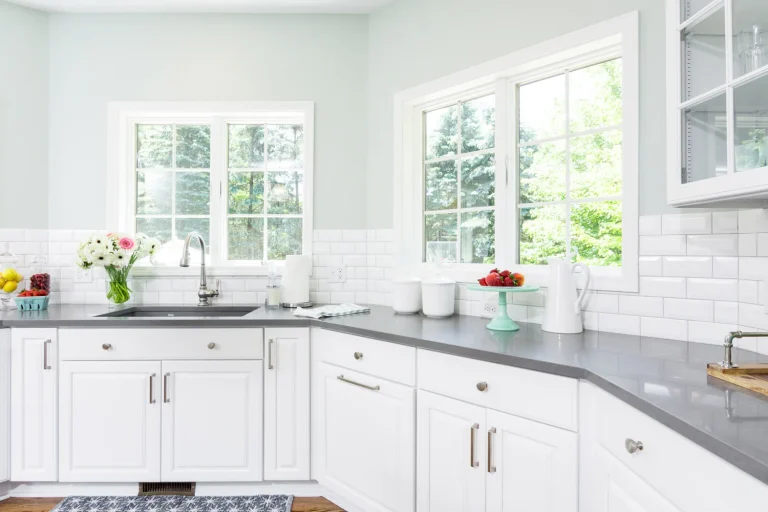
Scenario 1: The High-Traffic Family Kitchen
In a household with frequent meal preparation, the surface must resist mechanical impact and various food-based acids.
-
Components: 3cm thick slabs, eased edges to prevent chipping, and professional-grade impregnating sealers.
-
Steps: Selection of a slab with high “flecking” (to hide crumbs), cabinet reinforcement for the 18–20 lbs per sq. ft. weight, and undermount sink installation.
-
Relevance: This scenario utilizes granite’s high Mohs hardness, ensuring that sliding heavy pots or dropping utensils does not easily scratch the surface.
Scenario 2: The Modern Commercial Pantry or Breakroom
Commercial spaces require surfaces that are easy to sanitize and provide a bright, clean aesthetic for employees.
-
Components: 2cm slabs with plywood sub-tops, high-gloss polished finish, and integrated backsplashes.
-
Steps: Laser templating for non-square walls, CNC cutting for faucet holes, and epoxy seaming.
-
Relevance: White granite reflects high amounts of light, which reduces the need for heavy task lighting in smaller, enclosed pantry areas.
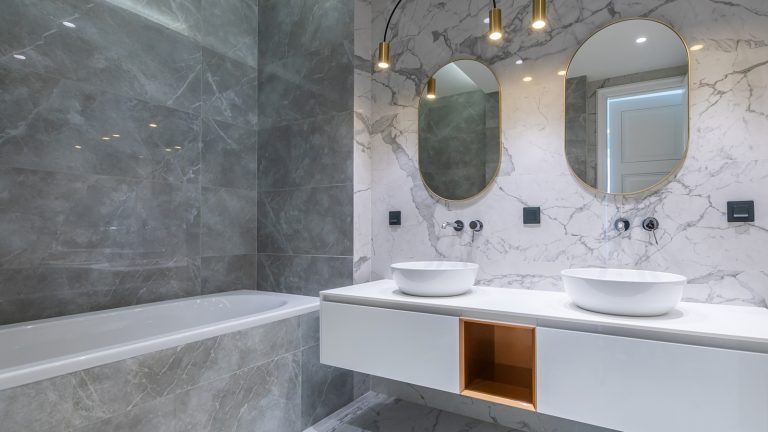
Scenario 3: The Luxury Master Bathroom Vanity
In moisture-heavy environments, the priority is water resistance and a serene, spa-like visual quality.
-
Components: Marble-look white granite (e.g., White Princess), polished edges, and porcelain undermount sinks.
-
Steps: Sealing the stone specifically against cosmetic oils and water, ensuring a 1/16-inch level installation, and caulking all junctions.
-
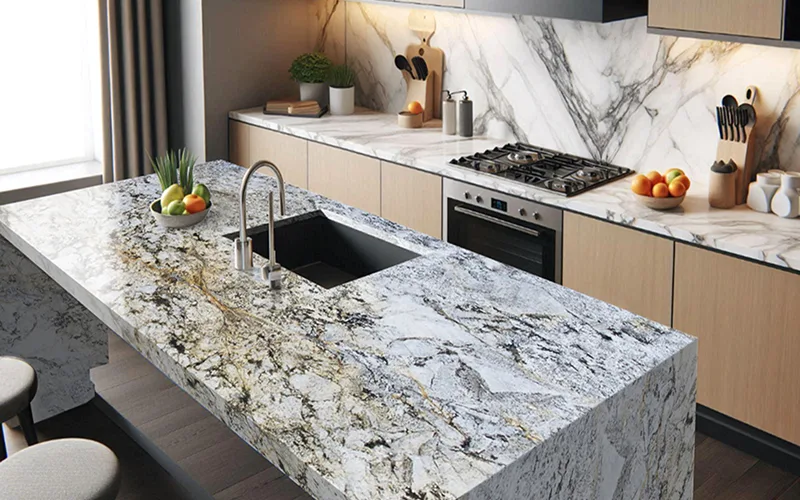
Relevance: This scenario demonstrates how white colored granite countertops can provide the aesthetic of marble while offering significantly higher resistance to the acids found in some soaps and cleaners.
Comparison: Scenario 1 focuses on durability and camouflaging daily wear; Scenario 2 prioritizes lighting and sanitation; Scenario 3 emphasizes aesthetic elegance in a moisture-prone zone. Readers should identify their primary environmental stressor—whether it be impact, light, or water—to select the appropriate slab thickness and mineral pattern.
Planning, Cost, and Resource Considerations
Preparation is critical because natural stone is rigid and cannot be adjusted easily on-site. Planning must include the cost of the slab itself, as well as the specialized labor required for fabrication.
Sample Planning & Budget Table
| Category | Estimated Amount / Effort | Explanation | Optimization Tips |
| Material (Slabs) | $45 – $150 per sq. ft. | Cost varies by rarity and country of origin. | Look for “remnants” for small projects like vanities. |
| Templating | 2–4 Hours | Professional digital or physical measurement. | Clear all existing counters to ensure 100% accuracy. |
| Fabrication | $20 – $40 per linear ft. | Cutting, sink cutouts, and edge profiling. | Select simple edge profiles (Eased) to save labor costs. |
| Installation | $400 – $1,200 | Specialized delivery and placement labor. | Ensure the path from the truck to the kitchen is clear. |
Note: Figures are examples for educational purposes and will vary based on regional market fluctuations and stone rarity.
Strategies, Tools, and Support Options

The successful installation of stone relies on specialized industrial strategies to manage weight and prevent cracking.
-
Impregnating Sealers: Unlike topical sealers, these sink below the stone’s surface to clog mineral pores.
-
Advantages: Does not change the look of the stone; provides long-term stain protection.
-
Disadvantages: Requires reapplication every 1–3 years.
-
-
CNC Waterjet Cutting: A strategy that uses high-pressure water mixed with garnet to slice the stone.
-
Advantages: Extreme precision; prevents heat-related stress cracks during fabrication.
-
Disadvantages: High shop overhead costs.
-
-
Sub-top Support: Plywood or cement board layers placed under thinner (2cm) granite.
-
Advantages: Provides a flat, stable base that prevents the stone from cracking due to house settling.
-
Disadvantages: Increases the total thickness profile of the edge.
-
-
Seam Setters: Suction-based tools used during installation to pull slabs together.
-
Advantages: Creates nearly invisible seams; ensures perfectly level joints.
-
Disadvantages: Adds time to the installation day.
-
Safety, Risks, and Common Challenges
-
Porosity and Staining: White granite is generally more porous than darker varieties. Liquid spills (wine, coffee) can seep into the pores if the stone is not sealed. Prevention: Maintain an active sealer and blot spills immediately.
-
Fissures vs. Cracks: Granite naturally contains “fissures”—tiny separations between mineral crystals. While these are not structural defects, they can be mistaken for cracks. Prevention: Inspect slabs in person to ensure no “active” cracks are present.
-
Radon Mitigation: As a natural earth product, granite can emit trace amounts of radon gas. Prevention: While most studies show these levels are well below safety limits, select stones from reputable suppliers who provide material safety data.
-
Thermal Shock: While granite is heat-resistant, placing a frozen item and a hot item side-by-side can cause stress. Prevention: Use trivets or hot pads.
Maintenance, Best Practices, and Long-Term Management
The long-term integrity of the stone is maintained through a disciplined but simple cleaning routine.
-
The Daily Checklist:
-
Use a pH-neutral stone cleaner or a mixture of warm water and mild dish soap.
-
Avoid abrasive “scrub” pads; use soft microfiber cloths.
-
Avoid vinegar, lemon juice, or bleach, which can wear down the sealer.
-
-
The Periodic Review:
-
The Water Test: Pour a small amount of water on the counter. If it beads, the sealer is active. If it soaks in after a few minutes, it is time to reseal.
-
Caulk Inspection: Check the silicone seal at the sink and backsplash every 12 months to ensure moisture is not reaching the cabinetry.
-
Documentation and Reporting
For large-scale or high-end projects, documenting the specific slab data is vital for future repairs or extensions.
Tips for Organizing Information:
-
Keep a record of the quarry name and the “Lot Number” provided by the wholesaler.
-
Save a small “remnant” piece in the garage; if a chip occurs, a fabricator can use it to create a color-matched repair.
Illustrative Examples:
-
Warranty Management: A homeowner saves the manufacturer’s sealer bottle; if a stain occurs, they can prove the recommended maintenance was followed.
-
Facility Log: A commercial building manager keeps a log of sealing dates for 50 breakrooms to ensure consistent surface performance.
FAQ
Q: Do white colored granite countertops stain more than black granite?
A: Technically, they do not stain more, but stains are more visible against a white background. Furthermore, some white granites are slightly more porous, making sealing more critical.
Q: Can I use a regular household cleaner on granite?
A: No. Many “all-purpose” cleaners contain acids or ammonia that can strip away the sealer, leaving the stone vulnerable.
Q: Is it possible to remove a stain once it has soaked in?
A: Yes. A “poultice”—a paste made of baking soda and water or a commercial stone cleaner—can often draw the stain out of the pores over 24–48 hours.
Closing Summary
White colored granite countertops represent a sophisticated balance of geological durability and architectural luminosity. By understanding the mineral variations and adhering to a consistent maintenance schedule centered on pH-neutral cleaning and periodic sealing, users can enjoy a heat-resistant, natural surface that lasts for decades. The key to success lies in professional fabrication, structural cabinet support, and the selection of a slab pattern that complements the specific lighting and use-case of the environment.