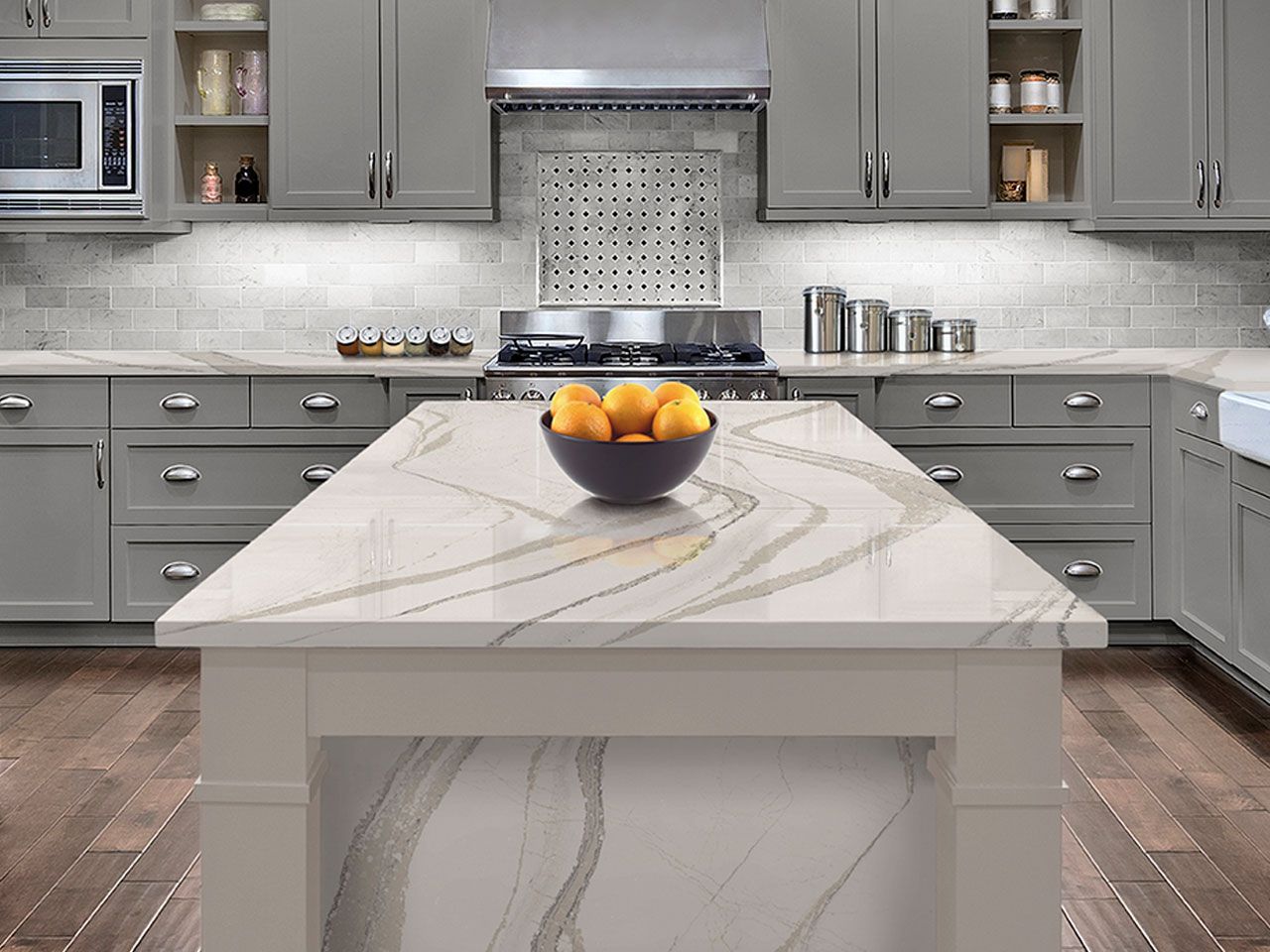
Durable Countertops Guide: Materials, Longevity, and Selection
The Comprehensive Guide to Durable Countertops
The selection of a work surface is one of the most significant technical decisions in residential and commercial architectural design. In high-use environments such as kitchens, laboratories, and medical facilities, the primary requirement is longevity. Surfaces must withstand a variety of physical and chemical stressors, including mechanical impact, abrasive scrubbing, extreme thermal fluctuations, and exposure to corrosive substances. A countertop is considered durable not merely by its hardness, but by its ability to maintain structural integrity and aesthetic clarity over decades of continuous use.
Understanding the specific properties that contribute to material resilience is essential for successful project planning. This guide provides a neutral, detailed overview of the various categories of high-endurance surfaces, the logistical considerations of their installation, and the practicalities of long-term management. Readers will learn how to evaluate material performance across different environmental scenarios and how to implement maintenance protocols that prevent premature failure or degradation.
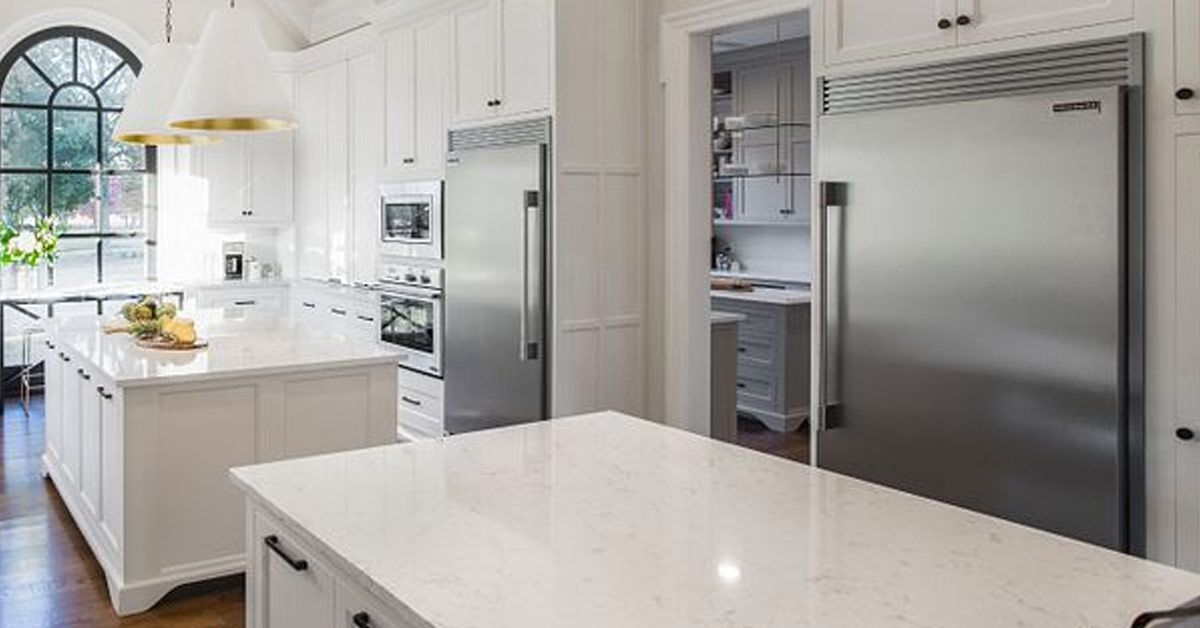
Overview of Durable Countertops
The core concept of durable countertops involves the intersection of mineral hardness, chemical density, and thermal stability. In material science, durability is often measured using the Mohs scale of mineral hardness and through standardized testing for porosity and flexural strength. A truly durable surface is one that resists the three primary forms of damage: mechanical (scratches and chips), thermal (heat shock and scorching), and chemical (staining and etching).
People commonly approach the selection of these surfaces with the goal of minimizing lifetime replacement costs and reducing the frequency of specialized maintenance. The typical expectation is a surface that can function as a heavy-duty workspace without requiring the restrictive handling protocols associated with softer or more porous materials. The outcome of a correct selection is a permanent architectural feature that remains hygienic and structurally sound regardless of the intensity of the environment.
Key Categories of Resilient Materials
Durability can be achieved through different material compositions, including natural stone, engineered composites, and metallic alloys.
Material Performance Comparison Table
| Category / Type | Description | Common Use Case | Effort / Cost Level |
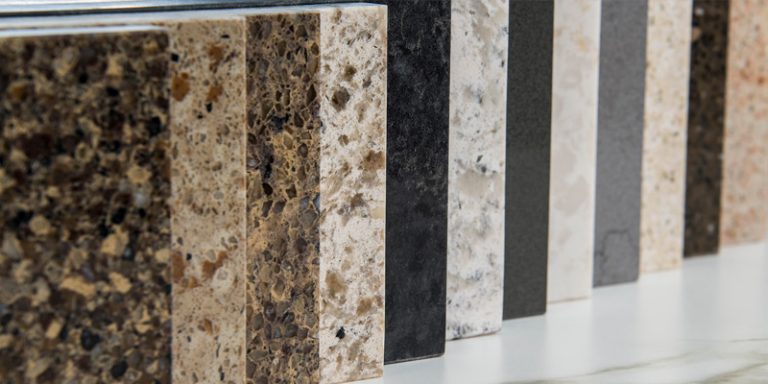
| Engineered Quartz | 90%+ quartz mineral bound with polymer resins. | Residential kitchens; high-traffic office pantries. | Moderate |
| Natural Granite | Igneous rock with high silica and feldspar content. | Outdoor kitchens; heavy-duty culinary prep. | Moderate to High |
| Sintered Stone | Minerals fused under extreme heat and pressure (no resin). | High-heat zones; laboratory surfaces. | High |
| Stainless Steel | Chromium-nickel steel alloy; non-porous and ductile. | Commercial kitchens; sterile medical labs. | High |
| Ultra-Compact Porcelain | Specialized ceramic fired at temperatures above 2,200°F. | UV-exposed areas; modern monolithic designs. | High |
Choosing between these categories requires an assessment of the specific stressors the surface will encounter. While engineered quartz is highly resistant to scratching and staining, it has lower heat tolerance than granite or sintered stone. Conversely, while stainless steel is impervious to heat and bacteria, it is susceptible to surface scratching, which may be an aesthetic concern in residential settings but a non-issue in industrial ones.
Practical Scenarios or Thematic Applications
Scenario 1: The Multi-Generational Residential Kitchen
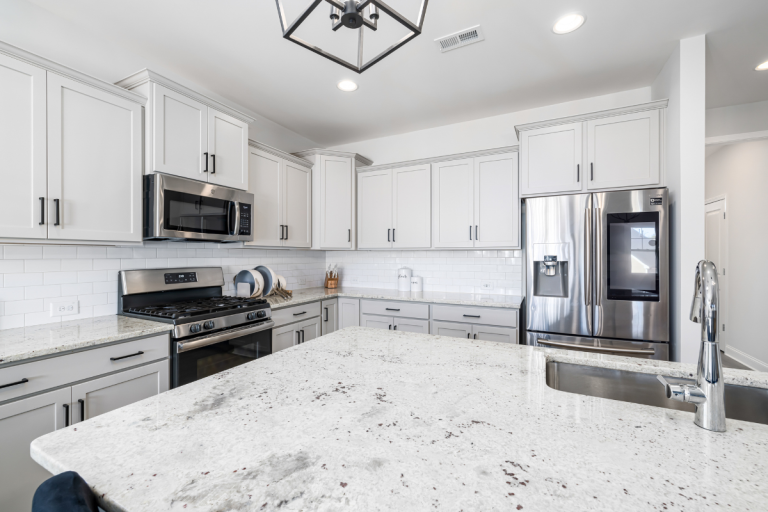
In a home environment, countertops must endure impact from heavy cookware, spills from acidic foods, and the occasional direct placement of hot items.
-
Components: 3cm thick granite or quartz, eased edges to prevent chipping, and undermount sinks.
-
Steps: Verification of cabinet leveling, structural reinforcement for stone weight, and professional sealing for natural stone varieties.
-
Relevance: This application tests the balance between scratch resistance and impact durability, as family kitchens are prone to high mechanical stress.
Scenario 2: The Commercial Food Preparation Facility
Professional environments prioritize hygiene and the ability to withstand extreme heat and frequent chemical sanitization.
-
Components: 14-gauge stainless steel or full-body sintered stone, integrated backsplashes, and marine edges to contain spills.
-
Steps: Welding and polishing joints (for steel), ensuring chemical compatibility with cleaners, and securing to industrial frames.
-
Relevance: This scenario highlights the need for non-porosity; a durable surface in this context must not harbor pathogens or degrade under industrial-grade detergents.
Scenario 3: The Outdoor Living and Grilling Zone
Outdoor surfaces are subjected to UV radiation, freezing cycles, and fluctuating humidity.
-
Components: 20mm ultra-compact porcelain or honed granite, UV-stable adhesives, and expansion joints.
-
Steps: Selection of iron-free stone to prevent rusting, installation with a slight pitch for drainage, and use of weather-proof support substrates.
-
Relevance: This application demonstrates environmental durability, where the primary risk is fading or cracking due to thermal expansion.
Comparison: Scenario 1 focuses on mechanical and stain resistance; Scenario 2 prioritizes thermal and hygienic performance; Scenario 3 emphasizes weather and UV stability. Readers should select a material that specifically addresses the dominant stressor in their respective environment.
Planning, Cost, and Resource Considerations
Preparation is critical because the most durable countertops are also the most difficult to modify once fabricated. High mineral hardness requires specialized diamond-tipped tools and high-pressure waterjets for cutting.
Sample Planning & Budget Table
| Category | Estimated Amount / Effort | Explanation | Optimization Tips |
| Material Slabs | $50 – $150 per sq. ft. | Premium materials like quartzite or sintered stone cost more. | Use standardized slab sizes to reduce waste. |
| Fabrication | $20 – $60 per linear ft. | Includes CNC cutting, edge profiling, and sink cutouts. | Minimize the number of cutouts to lower labor costs. |
| Structural Prep | $200 – $600 | Ensuring cabinets can support 18–25 lbs per sq. ft. | Use plywood sub-tops for thinner (12mm) slabs. |
| Professional Install | $500 – $1,500 | Specialized labor for delivery, seaming, and leveling. | Ensure clear site access to avoid additional labor fees. |
Note: Figures are illustrative examples based on current market trends and will vary by region and specific material choice.
Strategies, Tools, and Support Options
Effective implementation of high-endurance surfaces relies on several professional strategies.
-
Digital Templating: Using laser scanners to create a CAD file of the installation area.
-
Advantages: Ensures 1/16-inch accuracy; accounts for non-square walls.
-
Disadvantages: Higher upfront cost for the service.
-
-
Mitered Edge Construction: Joining two pieces at a 45-degree angle to simulate a thicker slab.
-
Advantages: Provides a massive, high-end look with less weight.
-
Disadvantages: The sharp corner is slightly more susceptible to impact chips
-
-
Impregnating Sealers: Deep-penetrating chemicals for natural stone.
-
Advantages: Effectively clogs mineral pores to prevent deep staining.
-
Disadvantages: Requires periodic reapplication (every 1–3 years).
-
-
Sub-top Support: Layers of cement board or marine-grade plywood under the slab.
-
Advantages: Distributes weight evenly and prevents cracking from structural shifts.
-
Disadvantages: Increases the total thickness profile of the counter.
-
Safety, Risks, and Common Challenges
-
Thermal Shock: Even heat-resistant stones can crack if subjected to extreme temperature differentials (e.g., placing a frozen item and a boiling pot side-by-side). Prevention: Use trivets or hot pads.
-
Chemical Etching: Acidic substances (lemon, vinegar) can chemically dissolve the calcium carbonate in marble or limestone. Prevention: Choose silicate-based stones like granite for food prep areas.
-
Silica Dust Exposure: Cutting stone and quartz releases hazardous dust during fabrication. Prevention: Professional shops must use wet-cutting methods and OSHA-approved filtration.
-
Weight Management: High-density materials can exceed the load-bearing capacity of standard residential cabinetry. Prevention: Inspect and reinforce cabinet boxes prior to installation.
Maintenance, Best Practices, and Long-Term Management
:max_bytes(150000):strip_icc()/kitchen-counter-organization-ideas-02-c9e50e60f0854ea4bce98915ce932c55.jpg)
Longevity is preserved through a disciplined but simple maintenance routine.
-
Checklist for Ongoing Best Practices:
-
Daily: Wipe with a pH-neutral cleaner and a soft microfiber cloth. Avoid abrasive “scrub” pads.
-
Monthly: Inspect the silicone caulking at the backsplash and sink to prevent water infiltration.
-
Annually: For natural stone, perform a “water test” (beading water check) to determine if resealing is required.
-
Preemptive: Use cutting boards; while many surfaces are scratch-resistant, direct cutting can dull knives and leave metal marks on the stone.
-
Regular review matters because a small issue, such as a failed caulk joint, can lead to moisture damage in the underlying cabinetry, compromising the entire installation even if the countertop itself remains intact.
Documentation and Reporting
For large-scale projects, documenting the specific material specifications is vital for future repairs or extensions.
Tips for Organizing Information:
-
Keep a record of the manufacturer, lot/batch number, and specific color code.
-
Store a copy of the final CAD drawing or physical template measurements.
Illustrative Examples:
-
Warranty Management: A homeowner saves the specific care guide provided by a quartz manufacturer; when a resin smudge appears, they use only the approved cleaning agent to avoid voiding the 25-year warranty.
-
Batch Matching: A commercial property manager records the lot number of the granite used in the lobby; when a new reception desk is added three years later, they can source a matching slab from the same quarry region.
FAQ
Q: Which countertop material is the most durable?
A: Sintered stone and ultra-compact porcelain are widely considered the most durable overall due to their immunity to heat, UV, and chemicals, although they can be more brittle than quartz.
Q: Can “durable” countertops still chip?
A: Yes. All rigid materials are susceptible to edge chipping if struck by a heavy object with sufficient force. Choosing rounded “bullnose” or “eased” edges reduces this risk.
Q: Do I need to seal quartz?
A: No. Engineered quartz is bound with resin and is non-porous, meaning it never requires sealing.
Closing Summary
Selecting a durable countertop requires a detailed understanding of material science and the environmental stressors of a specific project. While engineered quartz and natural granite remain the standards for residential durability, newer technologies like sintered stone and porcelain offer enhanced heat and UV resistance for specialized applications. By ensuring proper structural support, adhering to professional fabrication standards, and maintaining a pH-neutral cleaning routine, users can ensure that their work surfaces function effectively for several decades.