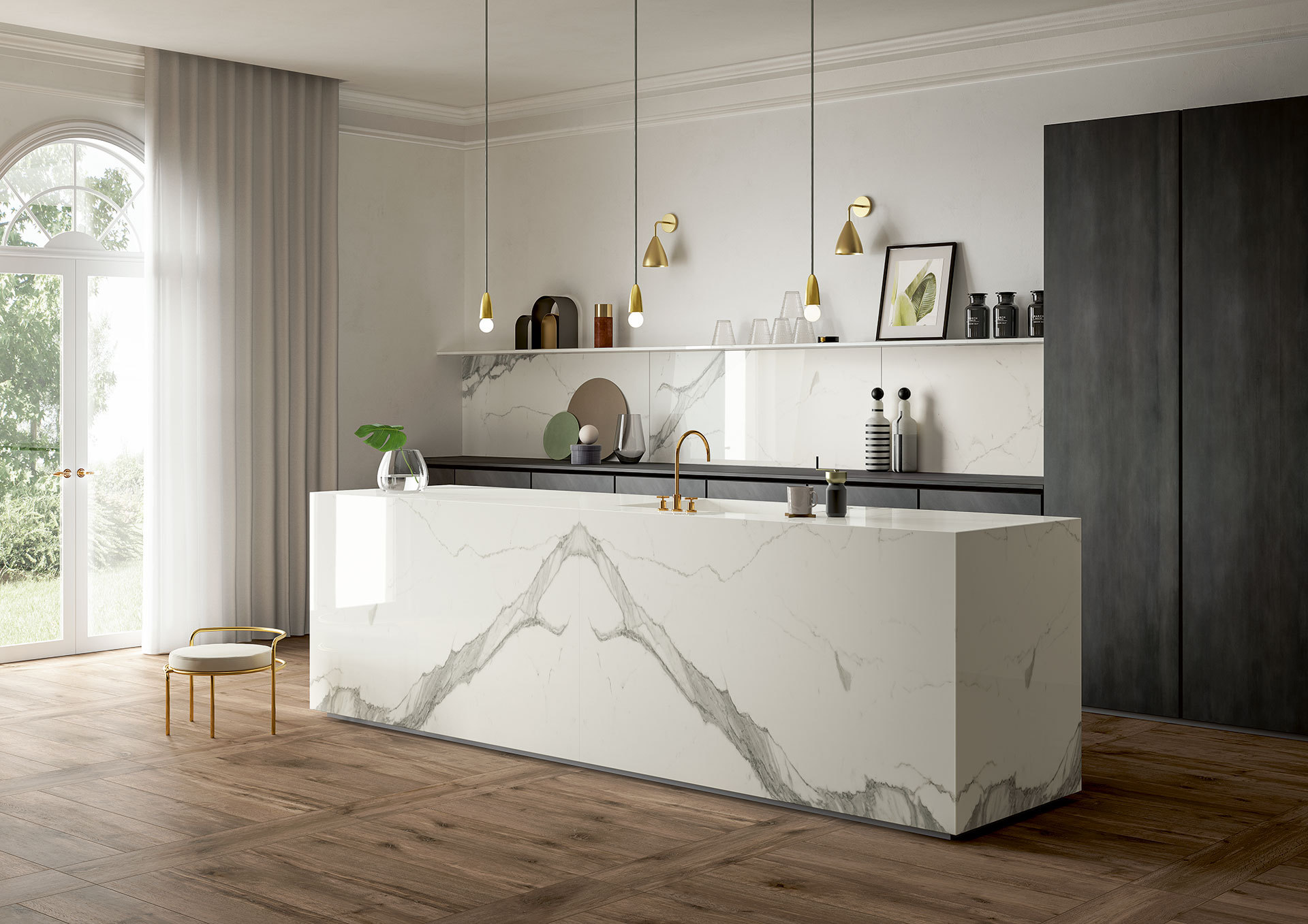
Porcelain Kitchen Countertops: A Comprehensive Technical & Practical Guide
The Comprehensive Guide to Porcelain Kitchen Countertops
Porcelain surfaces represent a modern frontier in ceramic engineering, specifically adapted for high-performance architectural use. While porcelain has been used for centuries in pottery and small-scale tiling, recent technological advancements in “sintering” have allowed manufacturers to produce large-format slabs suitable for heavy-duty work surfaces. These slabs are created by subjecting a specific blend of kaolinite, clay, feldspar, and silica to extreme pressure and temperatures exceeding 2,200°F. This process results in a material that is vitrified, meaning it becomes a glass-like, non-porous solid with exceptional hardness.
Understanding the technical attributes and logistical requirements of these surfaces is essential for successful kitchen design and long-term facility management. This guide provides a neutral, detailed overview of how porcelain slabs are produced, the various aesthetic and functional categories available, and the practical considerations for fabrication and maintenance. Readers will learn how to evaluate material quality, plan for budgetary needs, and mitigate common risks associated with the high density and relative thinness of this engineered material.
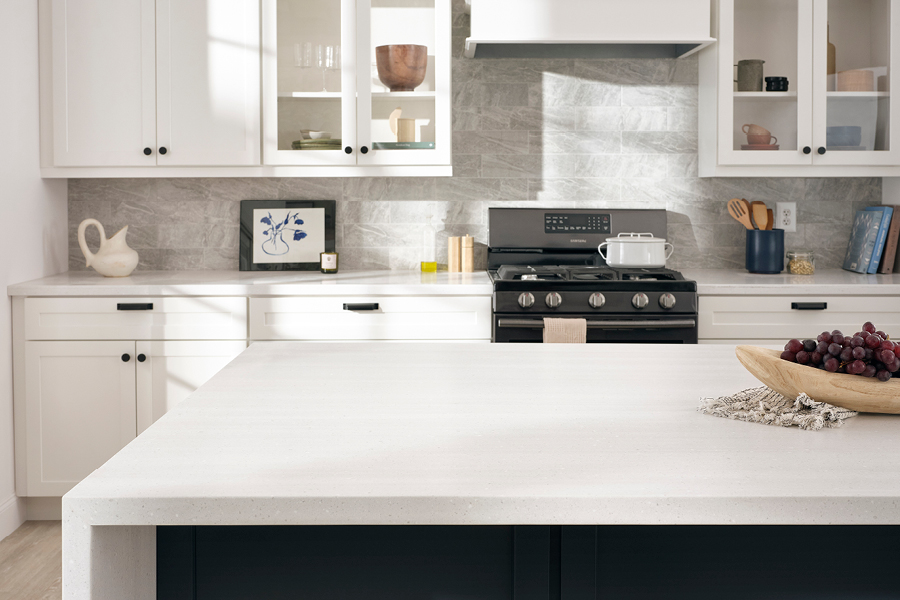
Understanding Porcelain Kitchen Countertops
The core concept behind porcelain kitchen countertops is the creation of a surface that is virtually impervious to environmental stressors. Unlike natural stone, which contains pores and organic fissures, porcelain is a sintered compact. During manufacturing, the raw minerals are ground into a fine powder, pressed into a slab shape under thousands of pounds of pressure, and fired in a kiln. This eliminates internal voids, making the material highly resistant to water absorption, UV radiation, and chemical reactions.
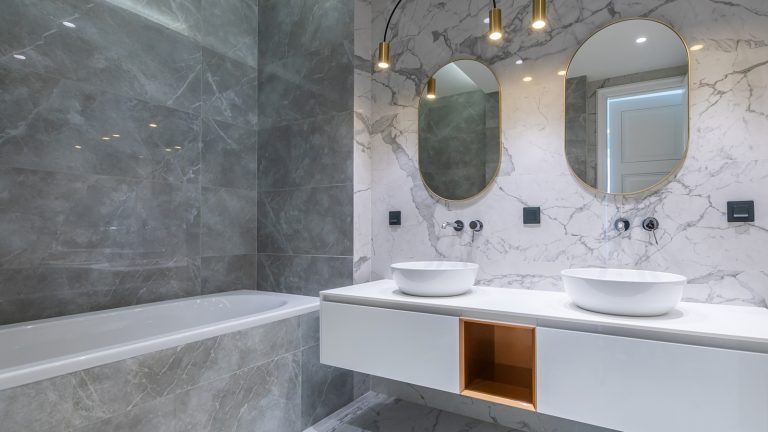
People commonly approach porcelain when seeking an “industrial-strength” surface that can replicate the look of delicate natural stones like marble or oxidized metals without the associated maintenance. Typical goals include achieving a high degree of heat resistance—allowing for the direct placement of hot cookware—and ensuring a hygienic environment where bacteria cannot penetrate the surface. The expected outcome is a permanent, fade-proof workspace that maintains its original color and finish regardless of heavy use or sunlight exposure.
Key Categories and Aesthetic Variations
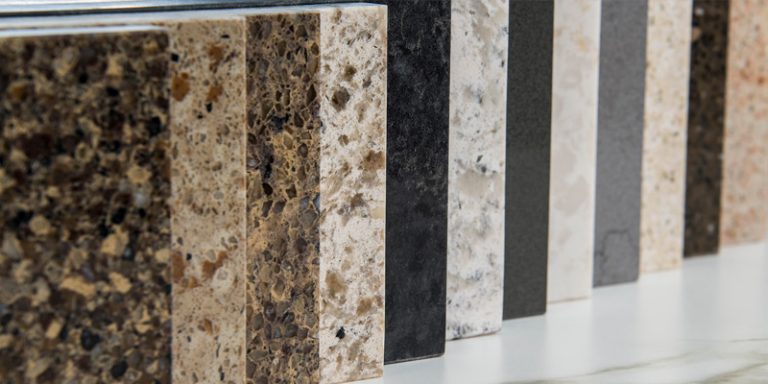
Porcelain slabs are categorized by their thickness, the depth of their aesthetic pattern, and their surface texture.
Material Category Table
| Category / Type | Description | Common Use Case | Effort / Cost Level |
| Thin-Format (6mm) | Lightweight slabs often used for wall cladding or over existing tops. | Backsplashes and cabinet faces. | Moderate |
| Standard Slab (12mm-20mm) | Thicker, self-supporting slabs designed for work surfaces. | Residential and commercial kitchens. | High |
| Through-Body | The color and pattern go all the way through the slab thickness. | High-traffic edges and integrated sinks. | Very High |
| Printed / Glazed | High-definition inkjet patterns printed on the surface only. | Mimicking exotic marbles or woods. | Moderate |
| Textured / Matte | Non-reflective surfaces with tactile “grip” or stone-like feel. | Contemporary minimalist designs. | Moderate |
Choosing between these categories depends on the specific structural requirements. For instance, “Through-Body” porcelain is preferred for areas where the edge of the countertop is visible, as it ensures the pattern remains consistent if the edge is profiled. “Printed” porcelain offers a wider array of visual options but requires careful edge treatment (such as mitering) to hide the plain ceramic core.
Practical Scenarios or Thematic Applications
Scenario 1: The Seamless Outdoor Kitchen
Because porcelain is inorganic and fired at such high temperatures, it is unaffected by UV rays and freezing cycles, making it an ideal candidate for outdoor environments.
-
Components: 20mm thick slabs, UV-stable adhesive, and mitered “drop” edges.
-
Steps: Leveling a concrete or metal support frame, ensuring proper drainage pitch, and using color-matched exterior-grade grout for seams.
-
Relevance: This scenario utilizes the material’s weather-proof nature, as it will not warp in heat or fade under direct sunlight like resin-based quartz.
Scenario 2: The Integrated Professional Workspace
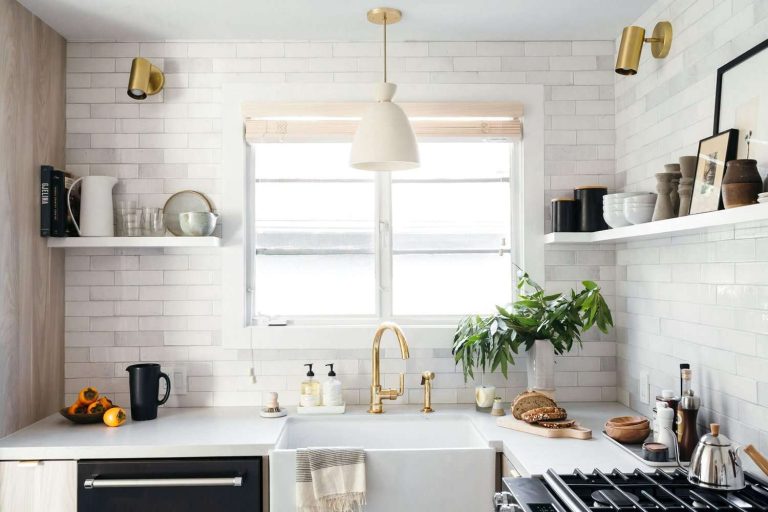
Modern aesthetics often call for “monolithic” looks where the countertop, sink, and backsplash are made of the exact same material.
-
Components: Standard 12mm slabs, matching porcelain basin components, and specialized epoxy.
-
Steps: Precise CNC cutting of sink pieces, internal reinforcement of the sink box, and seamless bonding.
-
Relevance: This highlights the material’s non-porosity; because it cannot absorb water, the porcelain itself can function as the basin without a separate stainless steel or cast-iron sink.
Scenario 3: The Renovation Overlay
In cases where removing old countertops is impractical, thin-format porcelain can be installed directly over existing surfaces.
-
Components: 6mm porcelain slabs, high-bond thin-set mortar, and edge trim profiles.
-
Steps: Cleaning and etching the old surface, applying mortar with a notched trowel, and precision-placing the thin slabs.
-
Relevance: This scenario demonstrates the material’s versatility and weight efficiency, providing a new look without a full demolition.
Comparison: Scenario 1 focuses on environmental durability; Scenario 2 prioritizes high-end custom fabrication; Scenario 3 emphasizes efficiency and weight reduction. Readers should evaluate their project based on whether they are starting with new cabinetry or upgrading an existing structure.
Planning, Cost, and Resource Considerations
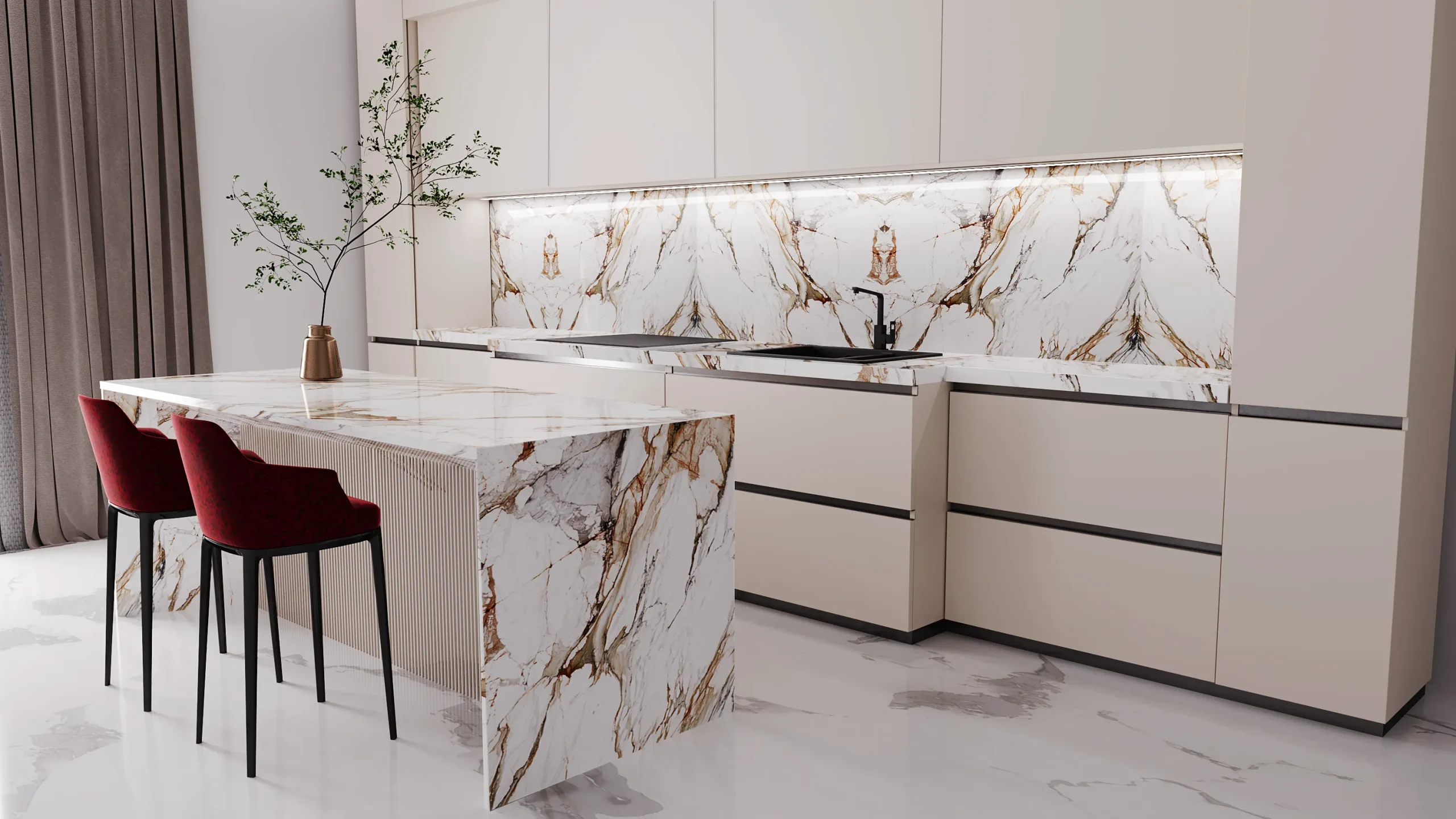
Planning is the most critical stage for porcelain kitchen countertops because the material is brittle before it is fully installed and requires specialized handling by trained professionals.
Sample Budget Table
| Category | Estimated Amount / Effort | Explanation | Optimization Tips |
| Slab Material | $60 – $130 per sq. ft. | Large-format slabs reduce seams but cost more to ship. | Source local inventory to avoid high freight costs. |
| Fabrication | $30 – $70 per linear ft. | Includes CNC/Waterjet cutting and mitered edge labor. | Minimize complex cutouts (e.g., unusual sink shapes). |
| Support Prep | $200 – $600 | Plywood or cement board sub-tops are often required. | Use full-sheet sub-tops to ensure 100% surface contact. |
| Installation | $500 – $1,500 | Professional labor using specialized suction-cup frames. | Ensure clear access; these slabs are very large and heavy. |
Note: Figures are illustrative examples and will vary based on regional labor rates and slab dimensions.
Strategies, Tools, and Support Options
The successful installation of porcelain relies on tools and strategies designed to prevent cracking and ensure structural support.
-
Waterjet Cutting: Using a high-pressure stream of water mixed with abrasive garnet.
-
Advantages: Extremely precise; creates no heat stress; prevents micro-fractures.
-
Disadvantages: High shop overhead costs; requires a specialized facility.
-
-
Mitered Edge Construction: Joining the top and side pieces at a 45-degree angle.
-
Advantages: Makes a thin 12mm slab look like a massive 2-inch thick stone block.
-
Disadvantages: The corner is a “sharp” joint and can be prone to impact damage.
-
-
Full-Bed Mortar/Adhesive: Ensuring there are no air gaps between the porcelain and the sub-top.
-
Advantages: Distributes weight evenly; prevents the slab from cracking if a heavy object is dropped.
-
Disadvantages: Requires meticulous application and adds to installation time.
-
-
Vibration-Damping Frames: Using aluminum or high-density foam supports.
-
Advantages: Absorbs structural movement in the house to prevent slab stress.
-
Disadvantages: Adds complexity to the initial cabinetry design.
-
Safety, Risks, and Common Challenges
-
Edge Fragility: While the surface is harder than granite, the edges—especially mitered corners—can be brittle. Prevention: Use “eased” or slightly rounded edges to reduce the risk of chipping.
-
Tension Cracking: If the slab is not perfectly level, internal tension can cause it to crack over time. Prevention: Professional leveling of cabinetry and the use of specialized installation frames.
-
Fabrication Difficulty: Porcelain is harder to cut than stone and requires diamond blades specifically rated for porcelain. Prevention: Only hire fabricators with documented experience in large-format porcelain slabs.
-
Slipperiness: Some polished porcelain can be very smooth when wet. Prevention: Choose matte or “honed” finishes for areas prone to frequent water splashes.
Maintenance, Best Practices, and Long-Term Management

The long-term management of porcelain is categorized by its nearly “zero-maintenance” profile, as it requires no sealing or special chemicals.
-
Daily Cleaning: Wipe with a damp cloth and any standard household cleaner. Porcelain is resistant to acidic and alkaline substances.
-
Scrubbing: For stubborn dried food, a non-scratch scouring pad or a plastic scraper can be used. Porcelain is highly scratch-resistant.
-
Avoid Impact: Do not drop heavy cast-iron pans or metal tools on the edges. The density of the material means it does not “give,” so impact force can cause a chip.
-
Seam Review: Periodically check the epoxy or grout in the seams. While the porcelain is waterproof, the joints are the only area where moisture could potentially penetrate.
Documentation and Reporting
For custom builds, documenting the slab brand and the epoxy colors used for miters is standard practice.
Tips for Organizing Information:
-
Keep the manufacturer’s batch number and a high-resolution photo of the slab before it was cut.
-
Save the specific brand and color code of the seam adhesive for future touch-ups.
Illustrative Examples:
-
Warranty Management: A homeowner saves the “Care and Use” document provided by the manufacturer to ensure they are covered under the 10-25 year limited warranties common in the industry.
-
Repair Readiness: A facility manager keeps a 12×12 inch remnant of the original slab; if a corner is ever chipped, a specialist can “dust” the remnant to create a perfectly color-matched filler.
FAQ
Q: Can I cut food directly on porcelain kitchen countertops?
A: Yes. Porcelain is harder than most knife steel and will not scratch. However, it may dull your knives, so a cutting board is still recommended for blade preservation.
Q: Is porcelain heat-proof?
A: Yes. You can place hot pots and pans directly from the stove onto the surface without the risk of thermal shock or discoloration.
Q: How does porcelain compare to quartz?
A: Quartz is resin-based and can melt or yellow under high heat or UV light. Porcelain is purely mineral-based and is immune to those issues, though it is more brittle and harder to install.
Closing Summary
Porcelain kitchen countertops offer a high-performance, aesthetically versatile, and exceptionally durable solution for modern indoor and outdoor environments. By leveraging industrial sintering processes, these surfaces provide a non-porous and heat-proof workspace that requires significantly less maintenance than natural stone. Success with this material depends on high-precision fabrication, 100% surface support from sub-tops, and professional installation to mitigate the risks associated with the material’s rigidity.